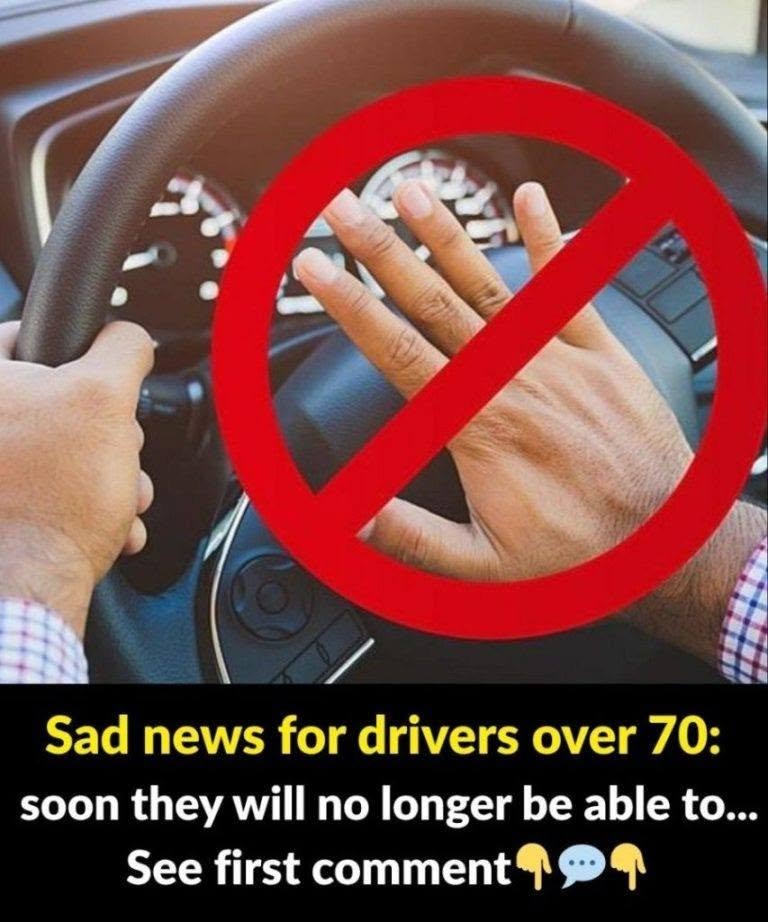
maintain their standard driving privileges without heightened regulatory oversight, medical clearances, or more frequent administrative renewals. As transport authorities and licensing agencies worldwide continuously reform road safety frameworks, drivers aged 70 and older face an evolving landscape of stricter compliance measures.
Heightened Regulatory Scrutiny and Shorter Renewal Intervals
Across multiple jurisdictions, lawmakers and traffic safety administrations are shifting away from lifelong or long-duration licensing models for older demographics.
-
Accelerated Expiration Cycles: While younger motorists often enjoy license validity periods spanning up to a decade, drivers surpassing the age threshold of 70—and increasingly stricter brackets thereafter—frequently find their license renewal frequency compressed. In various international frameworks, licenses must be renewed every three years to every single year, ensuring that administrative touchpoints occur with greater regularity.
-
Mandatory Self-Declarations and Medical Disclosures: The renewal process transitions from a simple administrative formality into a rigorous legal attestation. Motorists are legally required to disclose chronic or emerging health conditions—ranging from cardiovascular complications and neurological disorders to episodes of sudden impairment, vertigo, or cognitive decline.
The Push for Objective Medical and Vision Evaluations
A primary driver behind impending restrictions is the modernization of fitness-to-drive assessments. Historically dependent on honor systems and self-assessments, agencies are moving toward verifiable proof of capability:
-
Proposed Vision Mandates: While drivers have traditionally self-certified their visual acuity, legislative proposals and active consultations in regions like the UK actively explore mandatory, formal eye examinations administered by certified optometrists as a strict prerequisite for keeping a license past age 70.
-
Individualized Fitness Determinations: Rather than enforcing a blanket ban based purely on chronological age, licensing bodies—such as the DVLA in the UK or state departments of motor vehicles in the U.S.—rely on medical evidence provided by general practitioners. If an evaluation indicates that a condition compromises reaction times, spatial awareness, or cognitive processing, authorities retain the statutory power to revoke driving privileges or mandate temporary suspensions until health statuses improve.
Restricted Licensure as an Intermediate Solution
When total driving cessation is not immediately warranted, licensing authorities frequently utilize graduated or restricted licenses to balance public safety with personal mobility:
-
Conditional Parameters: Drivers may find themselves restricted to daylight-only operation, local radius boundaries, mandatory use of corrective lenses, or vehicles equipped with specific assistive technologies.
-
Alternative Mobility Transitions: For seniors who ultimately fail required medical or cognitive screenings, the loss of unconstrained driving privileges necessitates a transition toward community-based transit alternatives, specialized senior mobility services, and localized support systems designed to preserve independence outside of personal vehicle ownership.
