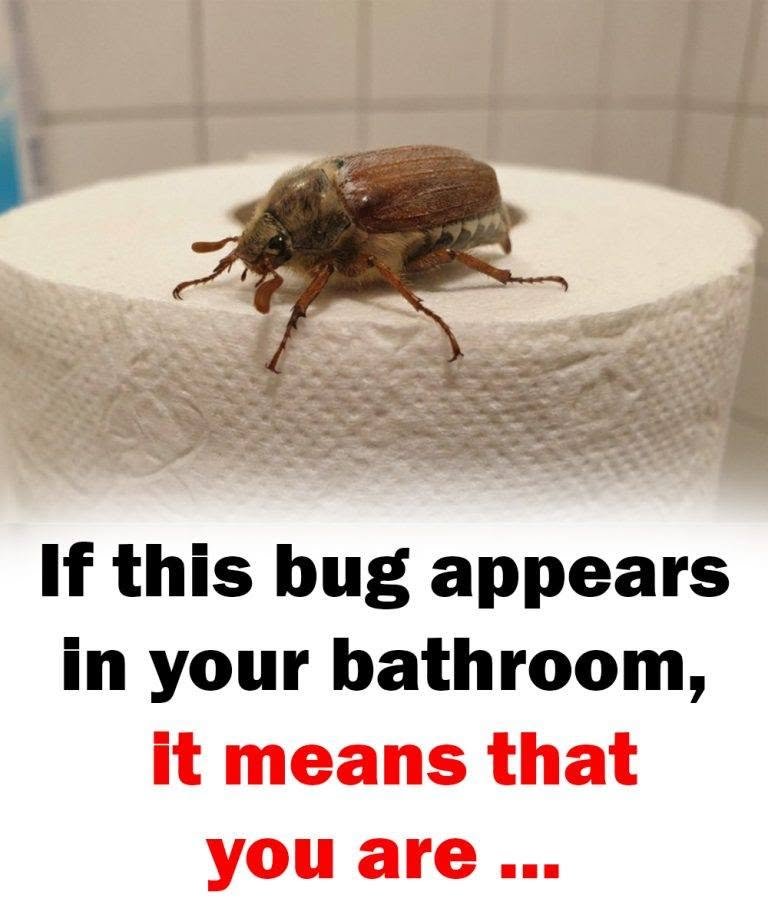
When sensational pest-control blogs and clickbait social media posts warn that “if this bug appears in your bathroom, it means that you are…,” they rely on shock value and disgust to make ordinary household insects sound like indicators of personal failure or a decaying home.
The underlying entomological and environmental reality is much simpler: finding a small bug in your bathroom usually means you have moisture, humidity, and a tiny point of entry—not a severe hygiene problem. Bathrooms are deliberately wet, warm ecosystems, making them prime real estate for moisture-loving arthropods that thrive in damp corners.
An evidence-based look at the most common bathroom visitors and what they actually signal helps separate internet panic from home maintenance.
Why Bugs End Up in Bathrooms
Insects do not care about your housekeeping standards; they care about survival resources. Bathrooms offer three things that attract them:
-
High Humidity: Damp air and condensation provide the moisture their bodies require to breathe and prevent desiccation (drying out).
-
Standing Water: Leaky pipes, condensation on toilet tanks, or pooling water in a shower drain offer easy hydration.
-
Organic Matter & Microscopic Debris: Hair strands in drains, skin flakes, soap scum, and mold spores provide microscopic food sources for detritivores.
The Usual Suspects (And What They Actually Indicate)
When a mysterious bug appears on your bathroom floor or wall, it is almost always one of these common, harmless (though unwelcome) creatures:
1. Silverfish or Firebrats
-
What They Look Like: Small, silvery-gray, wingless insects that move with a distinctive fish-like wriggle.
-
What They Indicate: Silverfish love extreme humidity and darkness. Finding them simply means your bathroom has high ambient moisture, and they may be feeding on starches, paper products, or mold in damp corners.
2. Drain Flies (Moth Flies)
-
What They Look Like: Tiny, fuzzy, moth-like flies hovering near sinks, showers, or floor drains.
-
What They Indicate: These insects breed exclusively in the gelatinous organic sludge (biofilm) that accumulates inside drain pipes. They don’t mean your bathroom is “dirty”; they mean your P-trap or drain needs a thorough physical cleaning or enzymatic brush-out.
3. Springtails
-
What They Look Like: Infinitesimal, jumping insects that congregate around damp window sills, bathtubs, or sinks.
-
What They Indicate: Springtails require near-100% humidity to survive. Their presence is a direct neon sign pointing to a persistent moisture problem, such as a slow plumbing leak, unsealed grout, or chronic condensation.
4. Woodlice (Sowbugs or Pillbugs)
-
What They Look Like: Small, armored gray crustaceans that roll into a ball when disturbed.
-
What They Indicate: Despite living on land, woodlice are crustaceans that breathe through gill-like structures and will suffocate if they dry out. Finding them means they crawled in from outside through a foundation gap in search of moisture.
Practical Ways to Clear the Bathroom Ecosystem
If you want to keep these moisture-loving visitors out of your bathroom, skip the panic and focus on environmental control:
-
Run the Exhaust Fan: Always turn on your bathroom ventilation fan during showers and leave it running for 20 minutes afterward to drop the humidity level.
-
Fix Leaks Promptly: Check under sinks and around the base of the toilet for any subtle plumbing leaks that create standing water.
-
Clean Your Drains: Pour boiling water or use an enzymatic drain cleaner down slow-moving drains to clear out organic buildup where flies breed.
-
Seal Entry Points: Caulk gaps around baseboards, windows, and pipe penetrations to block outdoor travelers from wandering inside.
The Takeaway
Ignore the dramatic headlines trying to shame you over a bug in your bathroom. Finding an insect there doesn’t mean something is catastrophically wrong with you or your home; it just means there is a bit of moisture and an open door. Lower the humidity, fix any drips, and the bugs will move on.
