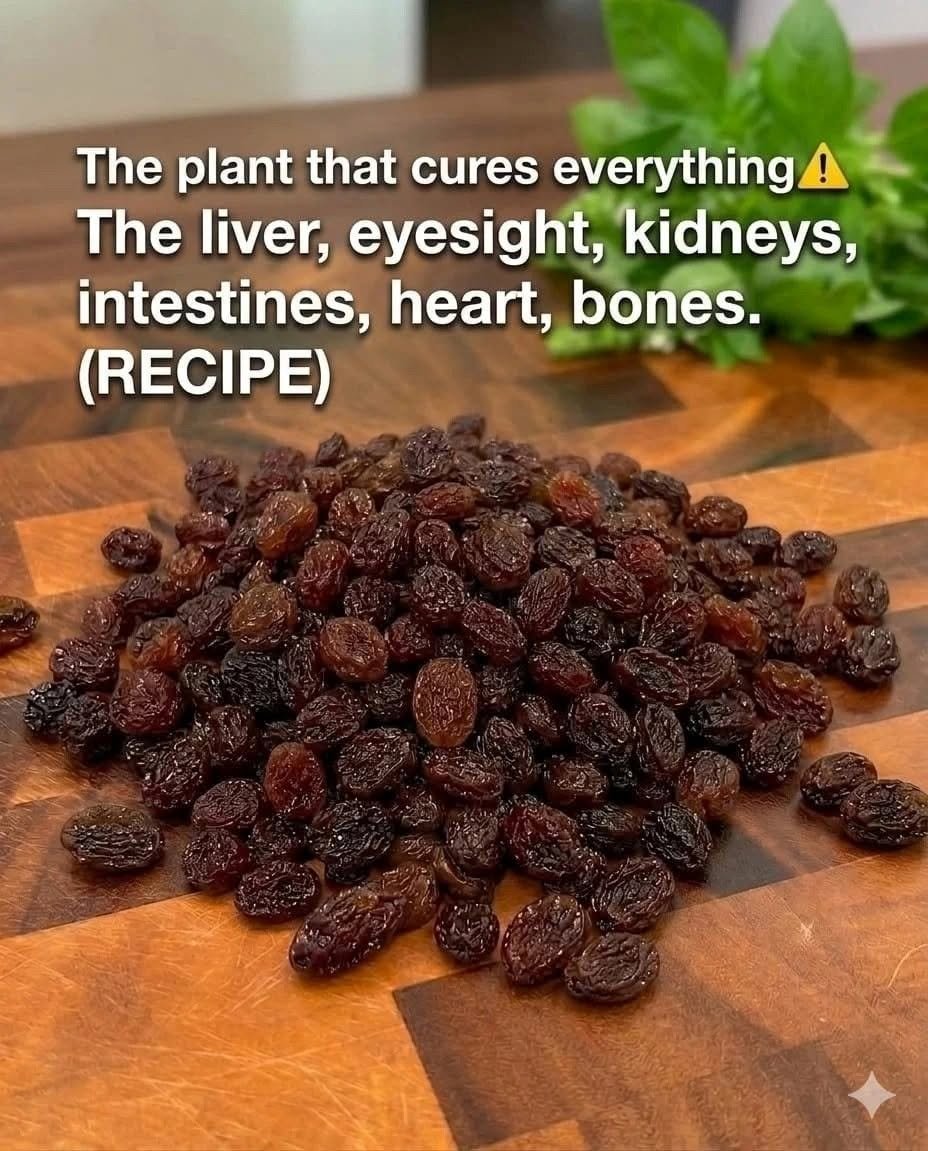
Viral social media videos and online headlines frequently use sensationalized titles like “A plant that cures everything! Liver, eyesight, kidneys, intestines, heart, bones” to promote home elixirs made from everyday botanicals and pantry staples—such as dill, cloves, raisins, or ginger and turmeric.
In medical science and clinical pharmacology, no single plant or homemade tonic can “cure everything” or target every major organ system simultaneously. While many culinary herbs and botanical ingredients contain beneficial antioxidants, vitamins, and anti-inflammatory compounds, treating serious organ conditions requires evidence-based diagnostic care rather than internet miracle cures.
Here is an objective, science-based breakdown of the real physiological benefits (and limitations) of these popular ingredients, followed by a wholesome, culinary tea recipe that captures these natural flavors safely.
The Science: What Popular Ingredients Can and Cannot Do
Video recipes featuring this viral headline typically combine ingredients like ginger, turmeric, lemon, and thyme or raisins, pumpkin seeds, and cloves. Here is how science evaluates their physiological impacts:
-
Liver Health (Curcumin & Antioxidants):
-
The Claim: Flushes toxins out of the liver overnight.
-
The Reality: Compounds like curcumin (in turmeric) and gingerols (in ginger) exhibit mild hepatoprotective and anti-inflammatory effects in laboratory settings. However, the liver detoxifies itself through phase I and phase II enzymatic pathways. Spices support overall metabolic health but cannot reverse severe liver fibrosis or cirrhosis.
-
-
Eyesight & Vision (Carotenoids & Vitamin C):
-
The Claim: Restores 20/20 vision and reverses cataracts.
-
The Reality: Ingredients like pumpkin seeds (zinc) and citrus zest (vitamin C) provide essential nutrients that support retinal health. However, dietary antioxidants cannot reverse refractive errors (near- or farsightedness) or structural lens degradation.
-
-
Kidney & Intestinal Health (Hydration & Polyphenols):
-
The Claim: Dissolves kidney stones and cleanses the bowels.
-
The Reality: Warm liquid infusions encourage systemic hydration, which supports normal renal filtration (eGFR) and gut motility. However, herbal drinks cannot instantly dissolve severe kidney stones or cure inflammatory bowel disease.
-
-
Heart & Bone Support (Potassium & Minerals):
-
The Claim: Rebuilds bone density and unblocks arteries.
-
The Reality: Herbs and seeds provide trace minerals like potassium and magnesium, which help manage baseline blood pressure and supporting bone mineral density. They do not dissolve calcified arterial plaque.
-
A Safe, Nourishing Herbal Wellness Tea (Recipe)
While no drink provides a miraculous full-body cure, this simple Ginger, Turmeric & Thyme Infusion makes a soothing, antioxidant-rich warm beverage to support general hydration and well-being.
-
Prep Time: 5 minutes
-
Steeping Time: 10 minutes
-
Servings: 2 cups
Ingredients
-
2 cups filtered water
-
1 inch fresh ginger root, thinly sliced
-
1/2 inch fresh turmeric root, sliced (or 1/2 teaspoon ground turmeric)
-
2–3 sprigs fresh thyme (or 1/2 teaspoon dried thyme)
-
1 pinch freshly ground black pepper (helps activate curcumin absorption)
-
1 tablespoon fresh lemon juice
-
1 teaspoon raw honey (optional, for sweetness)
Instructions
-
Simmer the Roots: In a small saucepan, combine the water, sliced ginger, turmeric, and a pinch of black pepper. Bring to a gentle boil over medium heat, then lower the heat and simmer gently for 5 minutes.
-
Infuse the Herbs: Remove the saucepan from the heat. Stir in the fresh thyme sprigs. Cover the pot with a lid and let it steep off the heat for 5 to 7 minutes.
-
Finish and Serve: Strain the hot liquid into mugs through a fine-mesh sieve. Allow it to cool slightly, then stir in the fresh lemon juice and raw honey. Sip warm.
Clinical Guidance
If you are managing chronic issues related to liver function, kidney performance, cardiovascular disease, or bone density, avoid relying on unverified internet detoxes. Always consult a primary care physician to receive targeted medical testing and evidence-based guidance.
