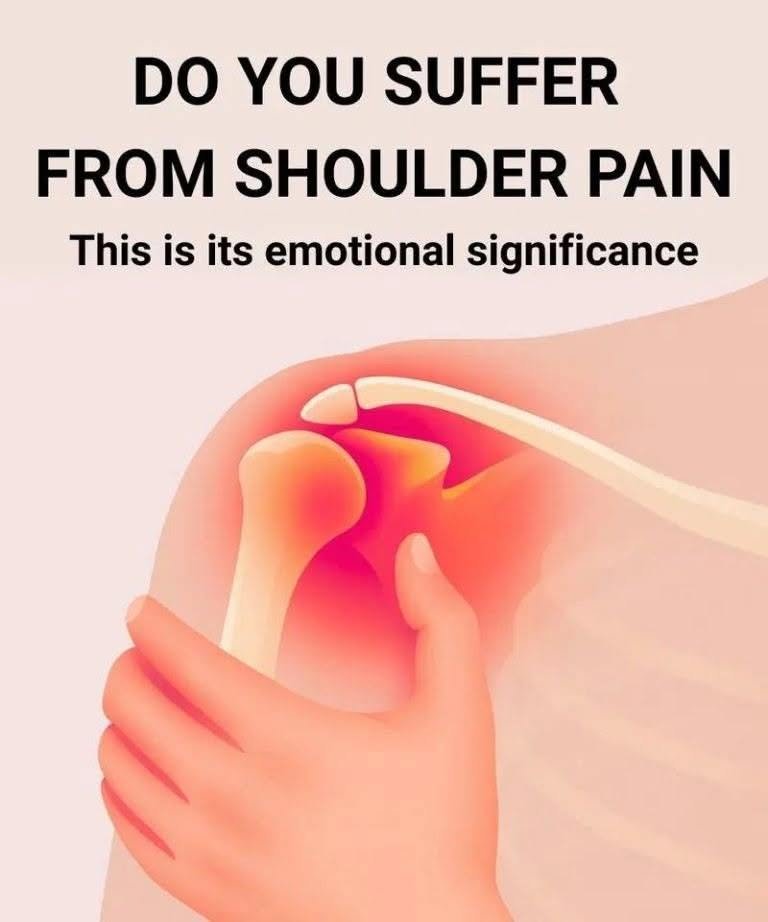
Exploring the emotional or psychosomatic meaning of physical pain is a deeply personal journey that many people turn to when medical causes don’t fully explain what they are feeling. While modern medicine looks to biomechanics, nerve impingement, inflammation, or stress-induced muscle tension, many holistic traditions and mind-body frameworks (such as somatic healing and Traditional Chinese Medicine) associate different parts of the body with specific emotional states.
From a mind-body perspective, the shoulders are heavily tied to the concepts of burden, responsibility, carrying weight, and emotional pressure.
The Emotional Associations of Shoulder Pain
-
“Carrying the Weight of the World”: The shoulders are our primary physical load-bearing joints. When we feel overwhelmed by responsibilities, financial stress, family obligations, or work pressure, our bodies often respond physically by shrugging, rounding, or tensing the shoulder muscles. Over time, that chronic subconscious tension manifests as actual pain, tightness, or frozen shoulders.
-
Burden and Obligation: Pain specifically in the back of the shoulders or upper traps is often interpreted emotionally as carrying duties or expectations that feel too heavy to bear, or taking on things that aren’t truly yours to manage (“shouldering” too much).
-
Control and Defensiveness: Shoulders can also guard the heart and neck. When we feel constantly defensive, guarded against emotional hurt, or bracing ourselves for conflict, we tend to pull our shoulders up toward our ears.
-
Inability to Let Go: Holding onto past grievances, guilt, or unresolved conflicts can physically lock the upper body. People often describe feeling like a physical weight is sitting directly on their chest and shoulders when experiencing grief or prolonged stress.
The Bridge Between Emotion and Biology
Even when looking at shoulder pain through a purely scientific lens, stress and emotion are deeply physical.
When you experience chronic emotional stress, anxiety, or feelings of being overwhelmed, your nervous system triggers the “fight or flight” response. This causes your muscles—particularly the traps, levator scapulae, and shoulders—to contract and remain tight for extended periods. Reduced blood flow, fatigue, and microscopic muscle spasms follow, resulting in genuine, physical pain.
A Note on Care: While exploring the emotional roots of pain can offer profound psychological relief and encourage you to set better boundaries or reduce stress, it is always wise to rule out structural issues (like rotator cuff strains, bursitis, or tendonitis) with a doctor or physical therapist.
