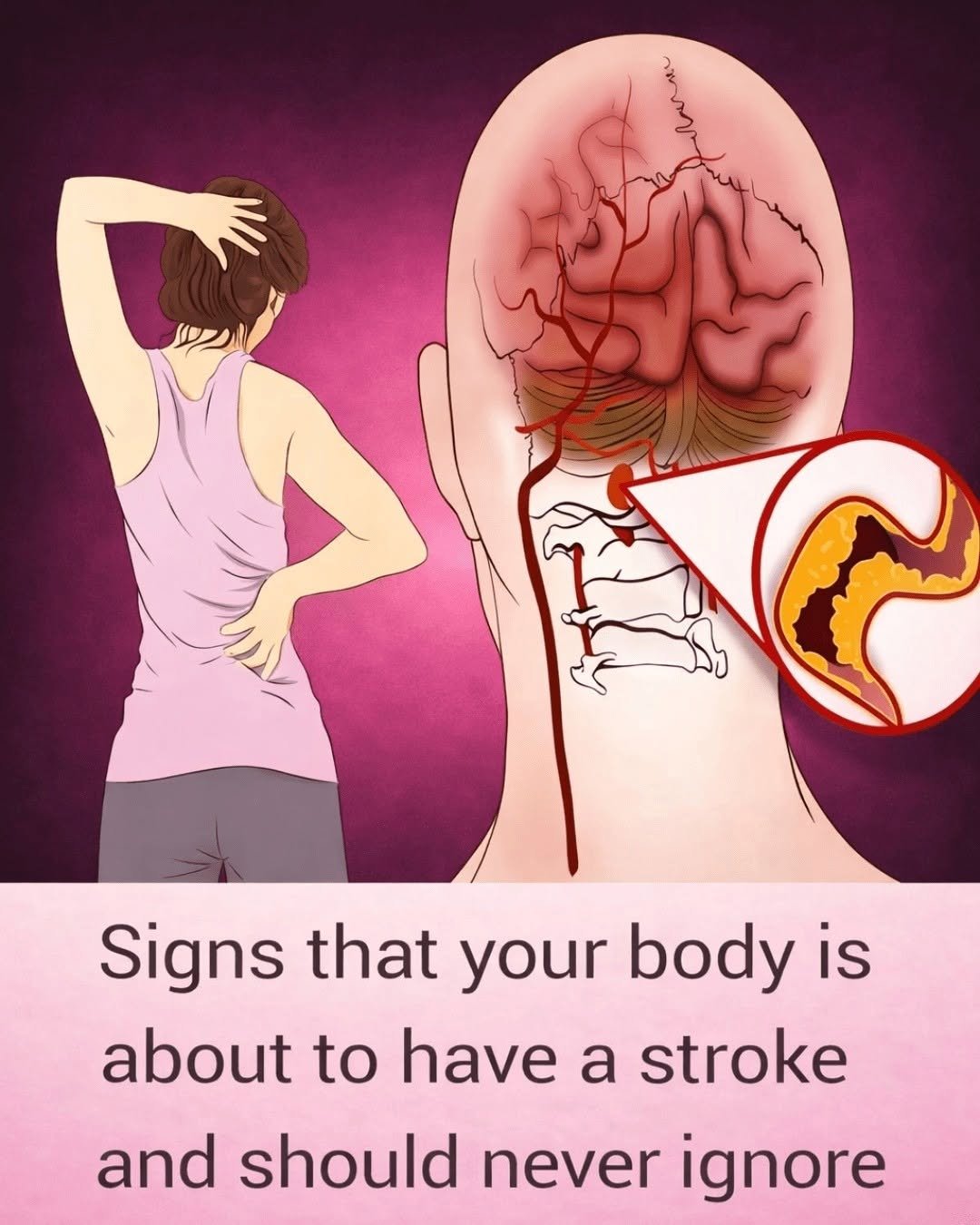
Recognizing the early warning signs of a stroke and acting immediately is critical. Because a stroke interrupts blood flow to a portion of the brain, brain cells begin to die within minutes. Prompt medical intervention—often measured in minutes—can dramatically reduce long-term disability and save lives.
The standard and most reliable clinical framework for recognizing a stroke is the FAST acronym, alongside several other vital neurological warning signs:
The FAST Warning Signs
-
F – Face Drooping: Does one side of the face droop, or is it numb? Ask the person to smile to check for unevenness.
-
A – Arm Weakness: Is one arm weak or numb? Ask the person to raise both arms. Does one drift downward unexpectedly?
-
S – Speech Difficulty: Is speech slurred, are they unable to speak, or are they hard to understand? Ask them to repeat a simple sentence (e.g., “The sky is blue”).
-
T – Time to Call Emergency Services: If the person shows any of these symptoms—even if the symptoms go away—call emergency services immediately and note the exact time the symptoms first appeared.
Additional Early Warning Signs
While the FAST test covers the most common stroke presentations, strokes affecting different regions of the brain can manifest with other sudden symptoms:
-
5. Sudden Confusion: Difficulty understanding speech, sudden disorientation, or trouble comprehending simple instructions.
-
6. Sudden Trouble Seeing in One or Both Eyes: Blurred vision, double vision, or a sudden shadowed or blacked-out visual field in one or both eyes.
-
7. Sudden Trouble Walking, Dizziness, or Loss of Balance: Sudden unsteadiness, loss of coordination, or a feeling of spinning (vertigo), particularly when paired with other neurological signs.
-
8. Sudden Severe Headache: A sudden, intensely painful headache with no known cause, often described by patients as a “thunderclap” headache, which can indicate a hemorrhagic stroke (bleeding in the brain).
-
9. Sudden Numbness or Weakness on One Side: Sudden numbness affecting the face, arm, or leg, typically restricted to one entire side (hemiparesis) of the body.
-
10. Sudden Unexplained Fatigue or Altered Consciousness: Sudden lethargy, confusion, or a brief loss of responsiveness.
What to Do Immediately
-
Call Emergency Services Right Away: Do not wait to see if symptoms improve on their own, and do not drive the person to the hospital yourself. Paramedics can begin life-saving evaluations and alert the receiving hospital’s stroke team while en route.
-
Note the Time: Keep track of the exact time the symptoms first started. This window is crucial for emergency physicians determining eligibility for acute clot-busting medications (thrombolytics) or mechanical thrombectomy procedures.
-
Keep the Person Calm and Safe: Have them lie down or sit comfortably, ensure their airway is clear, and do not give them any food, water, or medications (such as aspirin), as swallowing difficulties are common during a stroke.
