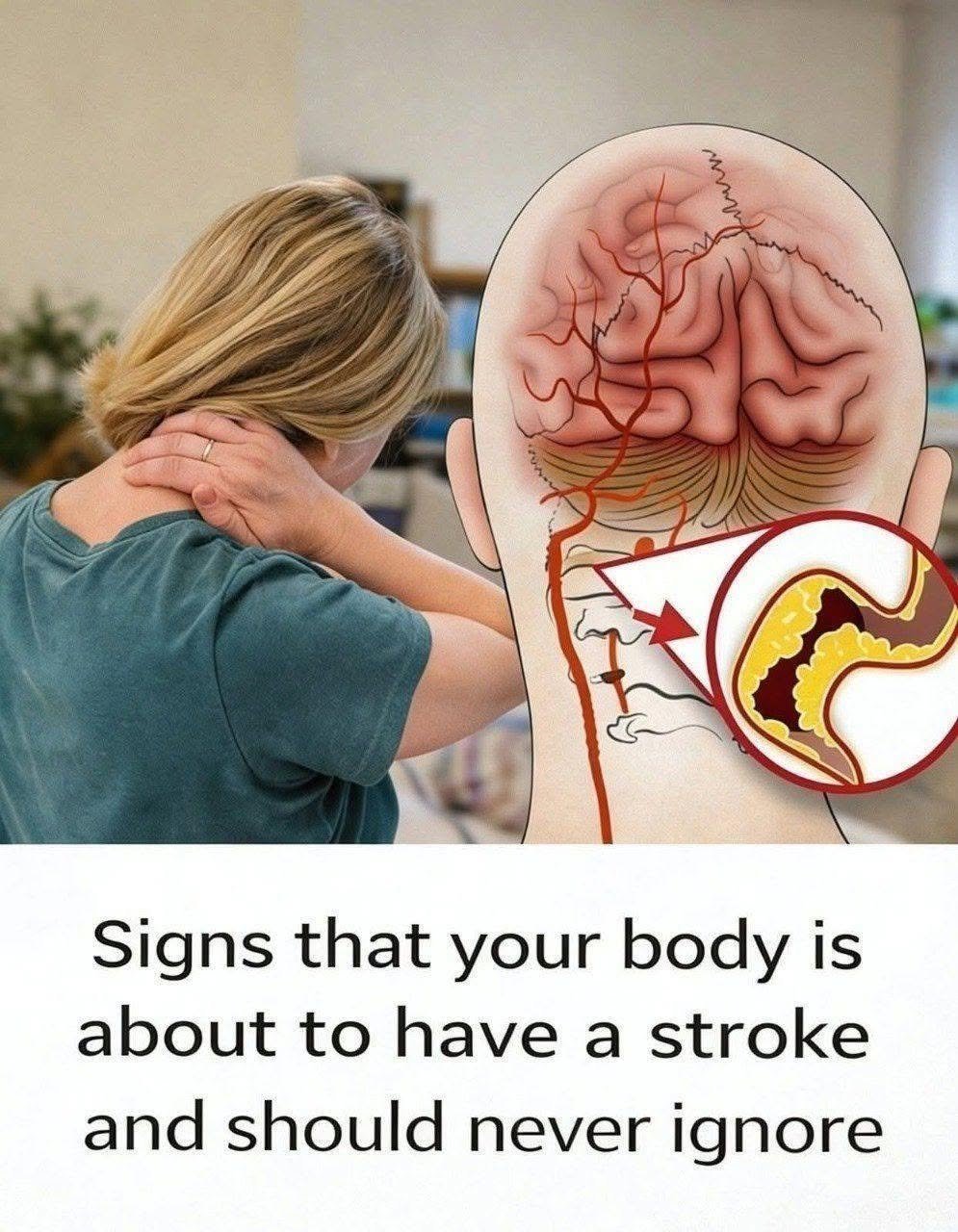
When health blogs, viral videos, and sensationalized wellness feeds publish dramatic countdowns like “10 Early Warning Signs of a Stroke Everyone Should Know,” they are capitalizing on a deeply serious medical topic. While clickbait articles often use fear-driven hooks or conflate unrelated everyday aches (like general fatigue or mild stress headaches) with an emergency, knowing the genuine, clinically established signs of a stroke is a truly life-saving skill.
Neurologists and emergency physicians rely on standardized, evidence-based criteria—most notably the B.E. F.A.S.T. framework and associated neurological indicators—to spot a stroke and act immediately.
The 10 Core Stroke Warning Signs (Clinical Reality)
Stroke symptoms typically happen suddenly and without warning, reflecting the specific region of the brain experiencing a sudden disruption in blood flow. Recognized by the American Stroke Association and the CDC, these 10 signs include:
-
Balance Loss (B): A sudden, unexplained loss of balance, unsteadiness, or severe dizziness that makes walking difficult.
-
Eye and Vision Changes (E): Sudden blurred vision, double vision, or a partial-to-total loss of sight in one or both eyes.
-
Face Drooping (F): One side of the face suddenly drops, feels numb, or results in an uneven, lopsided smile.
-
Arm Weakness (A): Sudden weakness or numbness in one arm. When asked to raise both arms, one arm may drift downward involuntarily.
-
Speech Difficulty (S): Sudden slurred speech, difficulty articulating words, or an inability to understand simple spoken sentences.
-
Sudden Unilateral Numbness: Sudden numbness or weakness affecting an entire leg, hand, or foot, typically restricted to one side of the body.
-
Sudden Mental Confusion: A sudden onset of confusion, trouble comprehending speech, or disorientation regarding time, place, or identity.
-
Sudden Severe Headache: A sudden, exceptionally intense headache (“thunderclap” headache) with no known cause, often described as the worst headache of the person’s life.
-
Sudden Dizziness or Coordination Failure: A sudden, acute failure of motor coordination, stumbling, or vertigo that is entirely separate from chronic inner-ear issues.
-
Transient Ischemic Attack (TIA) Symptoms: Temporary stroke-like symptoms—such as sudden slurred speech or vision blurring—that vanish entirely within minutes. Known as a “mini-stroke,” this is a critical warning sign that a major stroke may soon occur.
Why “Time” (T) is the Critical Factor
The final and most crucial element of stroke response is Time.
-
Brain Tissue is Time: During an ischemic stroke (caused by a blood clot), millions of brain neurons die every minute blood flow is blocked.
-
Never “Wait and See”: A dangerous myth is that symptoms should be monitored to see if they “sleep off.” If you or someone nearby exhibits any of the signs above—even if the symptoms disappear after a few minutes—call 911 immediately. Emergency medical services can begin evaluation en route and activate a hospital stroke team, unlocking time-sensitive treatments like clot-busting medications.
The Bottom Line
Don’t let alarmist internet listicles turn normal daily fatigue into an anxiety spiral, but never ignore acute, sudden neurological changes. Memorizing the signs of a stroke ensures that if a medical emergency ever occurs, you can take immediate, decisive action.
