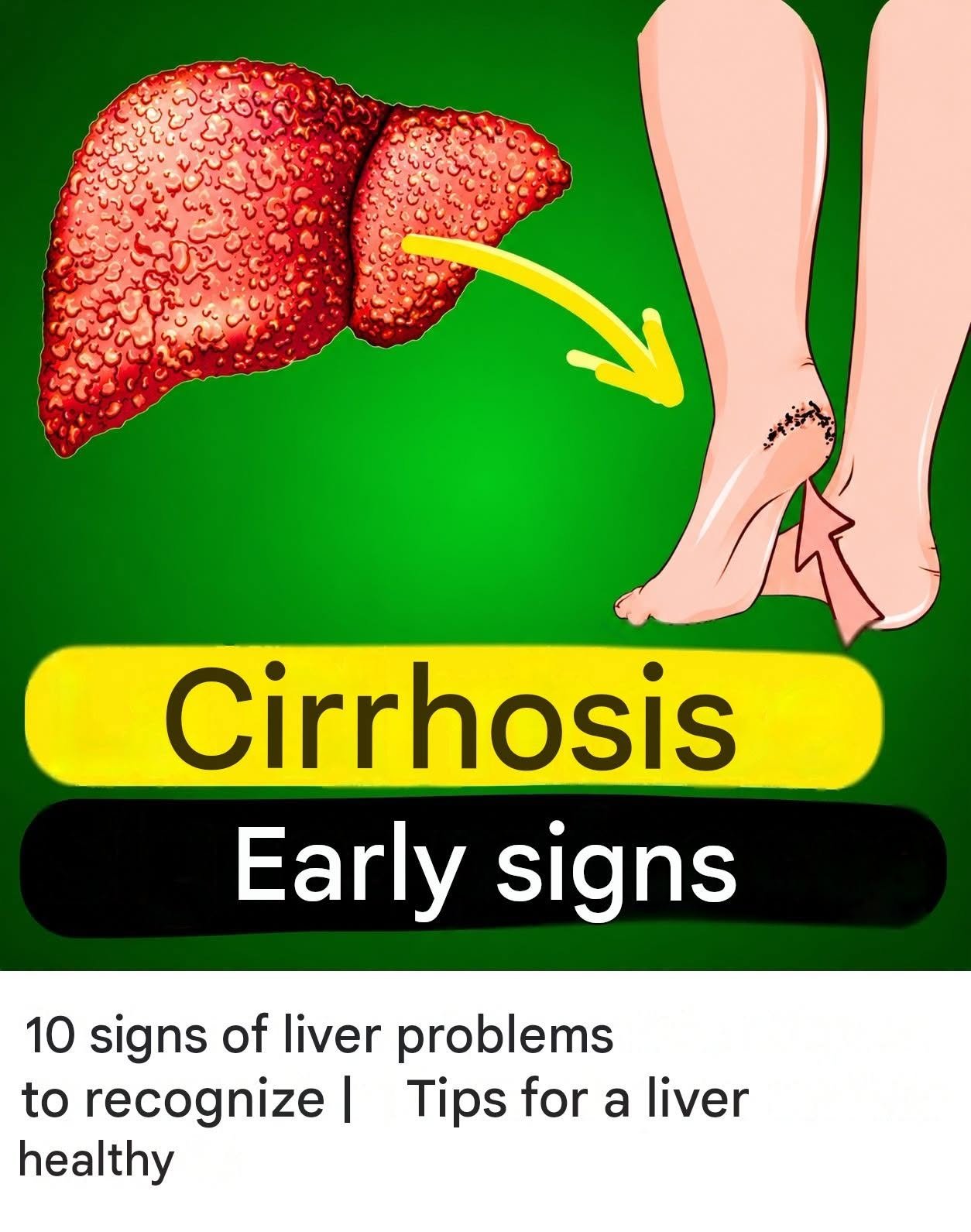
When online health articles roll out a dramatic list of “signs of liver problems to recognize,” they are often designed to trigger health anxiety. They take vague, everyday complaints—like feeling tired after a long workday or having minor digestive upset—and frame them as imminent signs of organ failure, nudging you toward panic or unverified “liver detox” supplements.
While the liver is a master metabolic organ that handles everything from filtering toxins to synthesizing proteins, it also has remarkable resilience. When it genuinely struggles, it communicates through specific, distinct clinical signposts rather than random daily aches.
What Your Liver Actually Does
To understand true liver warning signs, it helps to look at its primary functions:
-
Filtration and Detoxification: It processes nutrients absorbed from your digestive tract, neutralizing toxins, medications, and metabolic waste products.
-
Protein Synthesis: It produces essential clotting factors and albumin, which keeps fluid balanced in your bloodstream.
-
Bile Production: It secretes bile to help break down fats and absorb fat-soluble vitamins.
-
Storage and Regulation: It stores glycogen, vitamins, and minerals, releasing them as your body requires energy.
Real Clinical Signs of Liver Dysfunction
When liver tissue is significantly damaged, inflamed (hepatitis), or scarred (cirrhosis), its ability to perform these metabolic tasks drops, resulting in distinct physiological markers:
-
Jaundice (Yellowing of Skin and Eyes): This is the most classic and reliable sign. When the liver cannot properly process bilirubin—a yellow pigment created by the breakdown of red blood cells—it accumulates in the blood and deposits in the tissues, turning the skin and the whites of the eyes yellow.
-
Dark Urine and Pale Stools: Because bilirubin is normally excreted through bile into the digestive tract (giving stool its brown color), a blocked or failing liver diverts bilirubin into the kidneys, resulting in dark, tea-colored urine and unusually clay-colored stools.
-
Ascites (Abdominal Swelling): When the liver is heavily scarred, blood flow through it slows down (portal hypertension), and it stops producing enough albumin. This combination causes fluid to leak out of the blood vessels and pool in the abdominal cavity, causing uncomfortable swelling.
-
Easy Bruising and Bleeding: Because the liver manufactures the proteins necessary for blood clotting, a compromised liver means cuts bleed longer and bruises form from minimal impact.
-
Pruritus (Intense Itching): A buildup of bile salts circulating in the bloodstream can cause persistent, deep-seated skin itching that doesn’t resolve with standard lotions.
-
Hepatic Encephalopathy (Confusion or Brain Fog): When the liver fails to filter toxins like ammonia from the blood, those toxins reach the brain, leading to noticeable cognitive changes, confusion, sleep disturbances, or hand tremors.
What Clickbait Lists Falsely Blame on the Liver
Alarmist articles love to cast a wide net, attributing unrelated everyday discomforts to a “sluggish” liver:
-
General Fatigue: Feeling tired because of poor sleep, stress, or a busy schedule is a normal human experience, not an automatic sign of liver failure.
-
Belly Fat or Weight Gain: While fatty liver disease exists, stubborn body fat is primarily driven by caloric surplus and metabolic factors, not because your liver is “full of toxins” waiting for a special tea cleanse.
Tips for Maintaining a Healthy Liver
The liver doesn’t need expensive flushes, restrictive juice cleanses, or magic pills to function; it relies on sensible lifestyle habits:
-
Moderate Alcohol Intake: Excessive, chronic alcohol consumption is a primary driver of fatty liver disease, alcoholic hepatitis, and cirrhosis.
-
Maintain Metabolic Health: Eat a balanced diet rich in fiber, whole foods, and healthy fats while minimizing ultra-processed foods and added sugars to prevent non-alcoholic fatty liver disease (NAFLD).
-
Use Medications Carefully: Avoid overusing or combining certain medications (like high-dose acetaminophen) beyond recommended clinical guidelines, as they are processed directly through the liver.
