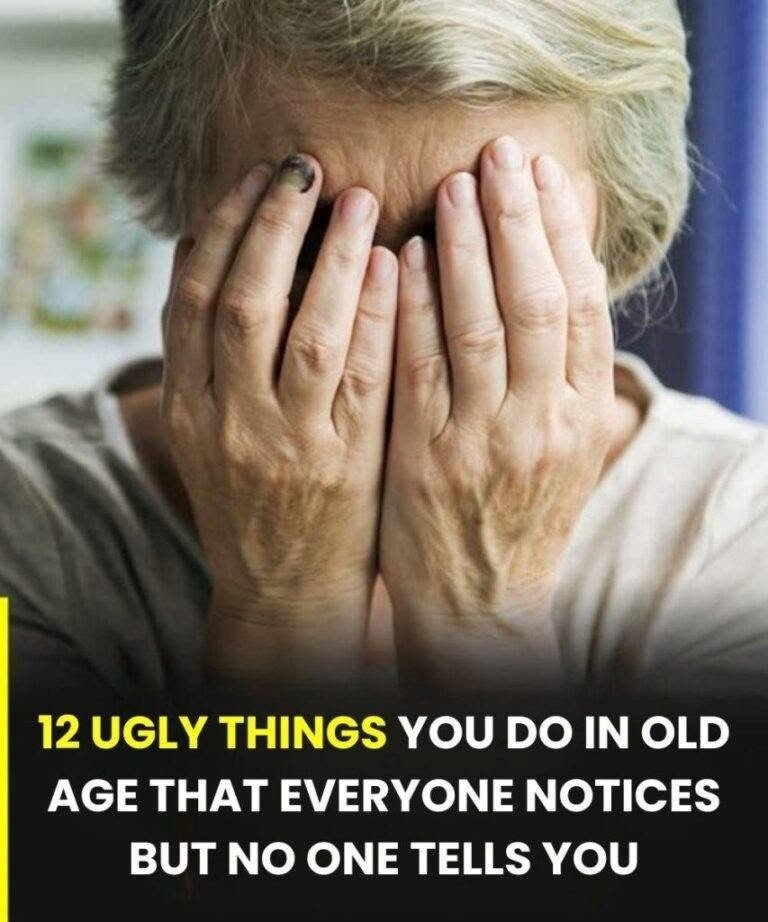
When sensationalized lifestyle articles or viral listicles publish headlines like “12 nasty things you do in old age that everyone notices, but no one dares to tell you,” they rely on a particularly cruel psychological lever: deep-seated social anxiety, fear of judgment, and anxiety about aging.
By framing normal physiological shifts, sensory changes, or adaptive habits as “nasty” or shameful social taboos, these headlines monetize insecurity and isolation rather than offering genuine insight.
What Clickbait “Aging Shaming” Lists Get Wrong
-
The “Moral Failing” Fallacy: Clickbait treats natural biological changes—such as declining sensory perception or shifting metabolism—as personal carelessness or bad manners.
-
The “Secret Conspiracy” Myth: Framing everyday occurrences as things “no one dares to tell you” manufactures artificial social paranoia, alienating older adults instead of fostering open, compassionate communication.
The Gerontological Reality: Re-examining the “Taboos” of Aging
Gerontologists, clinicians, and social scientists look at these perceived behavioral shifts through an objective, empathetic lens. What internet listicles label as “nasty” are almost always natural physiological or sensory adaptations:
-
Olfactory Shift (Scent and Perfume Use): As people age, olfactory receptors naturally decline (a condition called presbyosmia). Because an older adult’s ability to detect subtle scents decreases, they may apply heavier amounts of perfume, cologne, or scented lotion because they genuinely cannot perceive it the way others do. It isn’t carelessness; it’s a changing sensory threshold.
-
Conversational Volume (Speaking Louder): Age-related high-frequency hearing loss (presbycusis) often develops gradually. When individuals can no longer hear their own voice relative to background noise, they naturally raise their speaking volume to compensate, unaware that they are speaking loudly.
-
Home Maintenance and Sensory Adaptation: Gradual changes in vision or energy levels can make subtle household dust, clutter, or faint odors less noticeable. Prioritizing energy conservation for health and mobility often supersedes hyper-meticulous deep cleaning.
-
Physical Precision and Grooming Adjustments: Conditions like osteoarthritis, arthritis, or minor tremors can make intricate fine-motor tasks—such as precise grooming, buttoning clothes, or handling small items—increasingly difficult. Modifications driven by physical comfort are functional adaptations, not a lack of pride.
The Bottom Line
Getting older comes with natural biological adjustments in hearing, smell, and physical dexterity—none of which are moral failings or “nasty” habits. Skip the shame-based internet listicles, practice patience with sensory and physical changes, and maintain open, kind communication with the older adults in your life.
