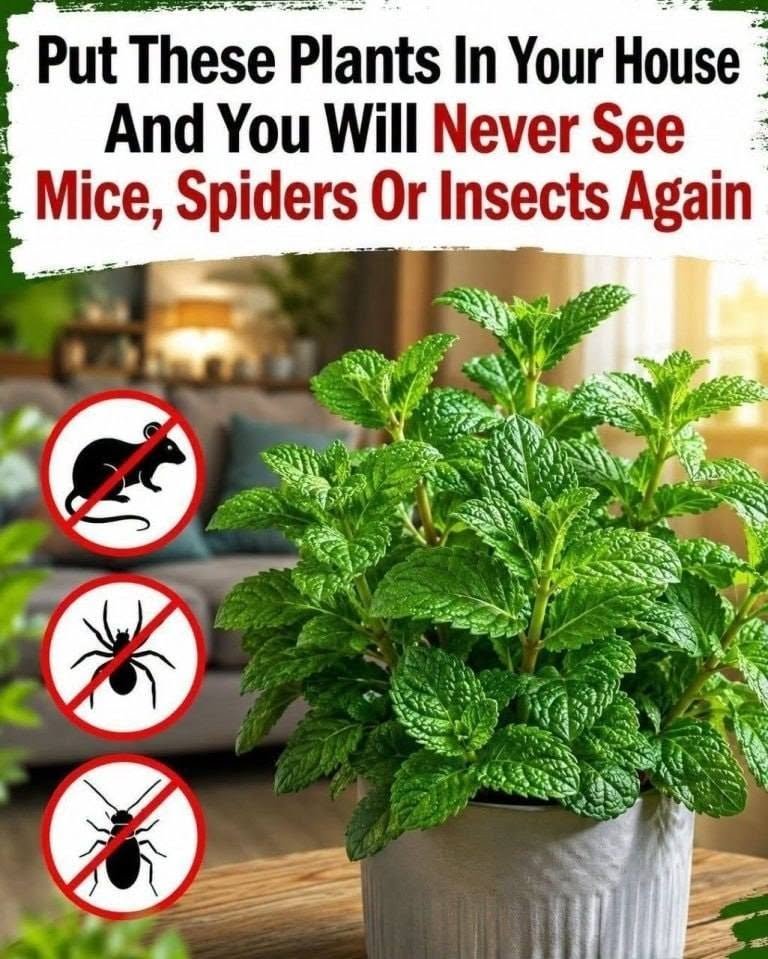
When gardening blogs and home-improvement feeds publish titles like “8 Plants that Help Repel Mice, Spiders & Other Insects,” they are leaning into one of the most appealing promises in home care: the idea that you can surround your house with fragrant greenery and magically create an impenetrable, pest-free fortress.
While certain aromatic plants produce natural essential oils that insects or rodents generally dislike, the reality of botanical pest control is far more subtle than marketing claims suggest.
What the “Repellent Plant” Myth Gets Wrong
Viral articles often present potted herbs and garden flowers as chemical-free exterminators, but several misconceptions drive these claims:
-
Living Plants vs. Concentrated Oils: A living peppermint or lavender plant sitting quietly on a windowsill emits very little volatile aroma into the surrounding air. To get the actual repellent compounds out of these plants, the leaves must be crushed, extracted, or distilled into concentrated essential oils.
-
The “Forcefield” Fallacy: Mice and spiders will happily crawl right past, over, or even nest near potted herbs if the environment offers them shelter, warmth, and food crumbs. Plants do not act as physical barriers or active pest-eradication devices.
Popular Repellent Plants and Their Actual Limitations
While they won’t clear an infestation, several traditional plants are celebrated for their strong aromas:
-
Peppermint: Often cited for mice and spiders. While concentrated peppermint oil can temporarily deter pests due to its intense scent, a living mint plant in a pot will not stop a mouse from entering your home. (Plus, mint is notoriously invasive in garden beds!)
-
Lavender & Rosemary: Beautiful, aromatic perennials. Their scents are lovely to humans, but pests readily bypass them unless crushed oils are directly applied.
-
Chrysanthemums: Contain natural compounds called pyrethrins, which are used in commercial insecticides. However, simply having a potted mum on your porch does not release enough pyrethrin into the air to kill or deter bugs.
-
Marigolds: Frequently planted in vegetable gardens as companion plants. While their distinct scent can deter certain soil nematodes and garden pests, they do not repel household spiders or mice.
What Actually Keeps Pests Out of Your Home
If you want to protect your living space from mice and insects, environmental management trumps botanical folklore:
-
Seal Entry Points: Mice can squeeze through openings the size of a dime. Use steel wool and caulk to seal cracks, gaps around pipes, and unsealed vents.
-
Eliminate Food Sources: Store pantry items in airtight glass or hard plastic containers, clean up crumbs immediately, and keep garbage sealed.
-
Manage Moisture and Clutter: Spiders and insects thrive in damp, undisturbed areas. Dehumidify basements and clear out cardboard clutter where pests like to nest.
The Bottom Line
Grow lavender, mint, and marigolds because they brighten your garden, smell wonderful, and attract pollinators—not because they will replace pest control or keep mice away.
