When sensationalized wellness blogs and social media feeds drop a teaser like “New method: colonoscopy will no longer be an invasive examination Enima (1/2),” they are tapping into one of the most common medical anxieties: the dread of bowel preparation and the physical procedure of a colonoscopy.
While clickbait headlines love to frame standard medical exams as barbaric traps or tease miraculous overnight replacements, the clinical reality of screening technology is fascinating, highly regulated, and centered on actual patient safety.
What the Headline Gets Wrong
The teaser relies on misleading phrasing and false dichotomies:
-
The “Enema” Misconception: While bowel preparation requires clearing the colon so doctors can clearly view the tissue lining, modern colon preparation relies on oral laxative solutions and clear liquid diets rather than old-fashioned enemas.
-
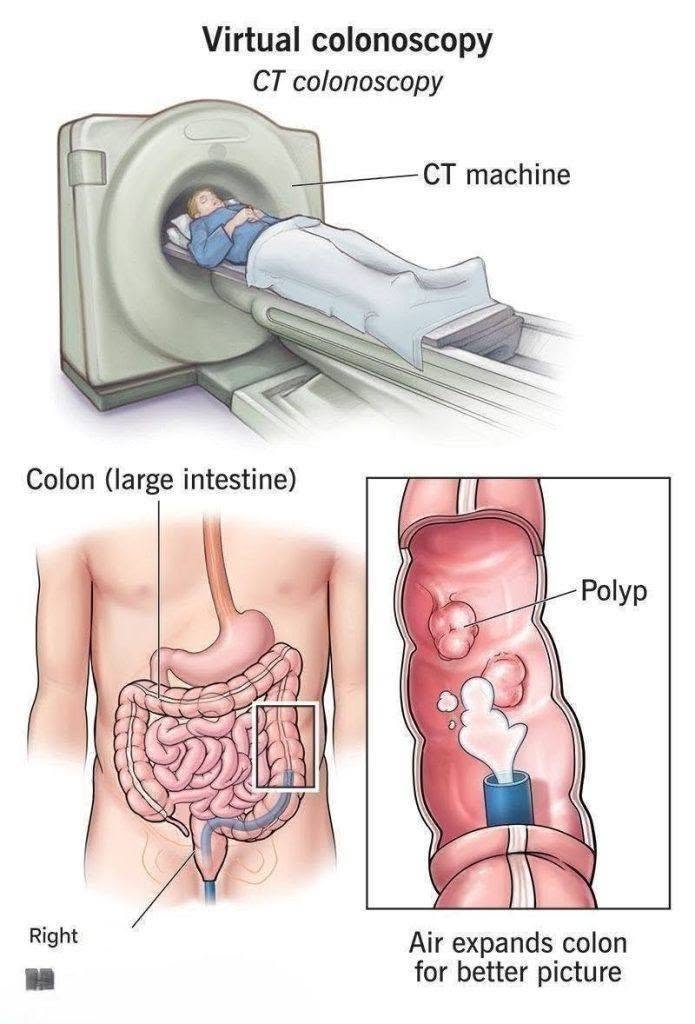
The “Replacement” Fallacy: While non-invasive screening options—such as stool-based DNA tests (like Cologuard) or specialized imaging (like CT colonography)—have advanced tremendously, they do not entirely eliminate the need for a standard colonoscopy.
Understanding Modern Screening Options
Medical science has indeed evolved to offer choices based on risk levels, patient comfort, and clinical guidelines:
-
Stool-Based and Blood-Based Screening: Non-invasive tests can detect hidden blood or altered DNA shed by polyps or cancerous cells. These are fantastic screening tools for average-risk individuals, but with a crucial caveat: if a non-invasive test comes back positive, a follow-up diagnostic colonoscopy is still required to physically investigate and remove polyps.
-
Standard Optical Colonoscopy: It remains the gold standard because it is both a diagnostic and therapeutic procedure. While the doctor examines the lining in real-time, they can instantly remove precancerous polyps or take tissue biopsies, preventing cancer before it starts.
The Bottom Line
Innovations in screening continue to make preventative care easier and more accessible, but don’t fall for internet hype claiming invasive procedures have magically vanished overnight. Always discuss screening options with your physician to determine which method aligns best with your age, family history, and personal health profile.
