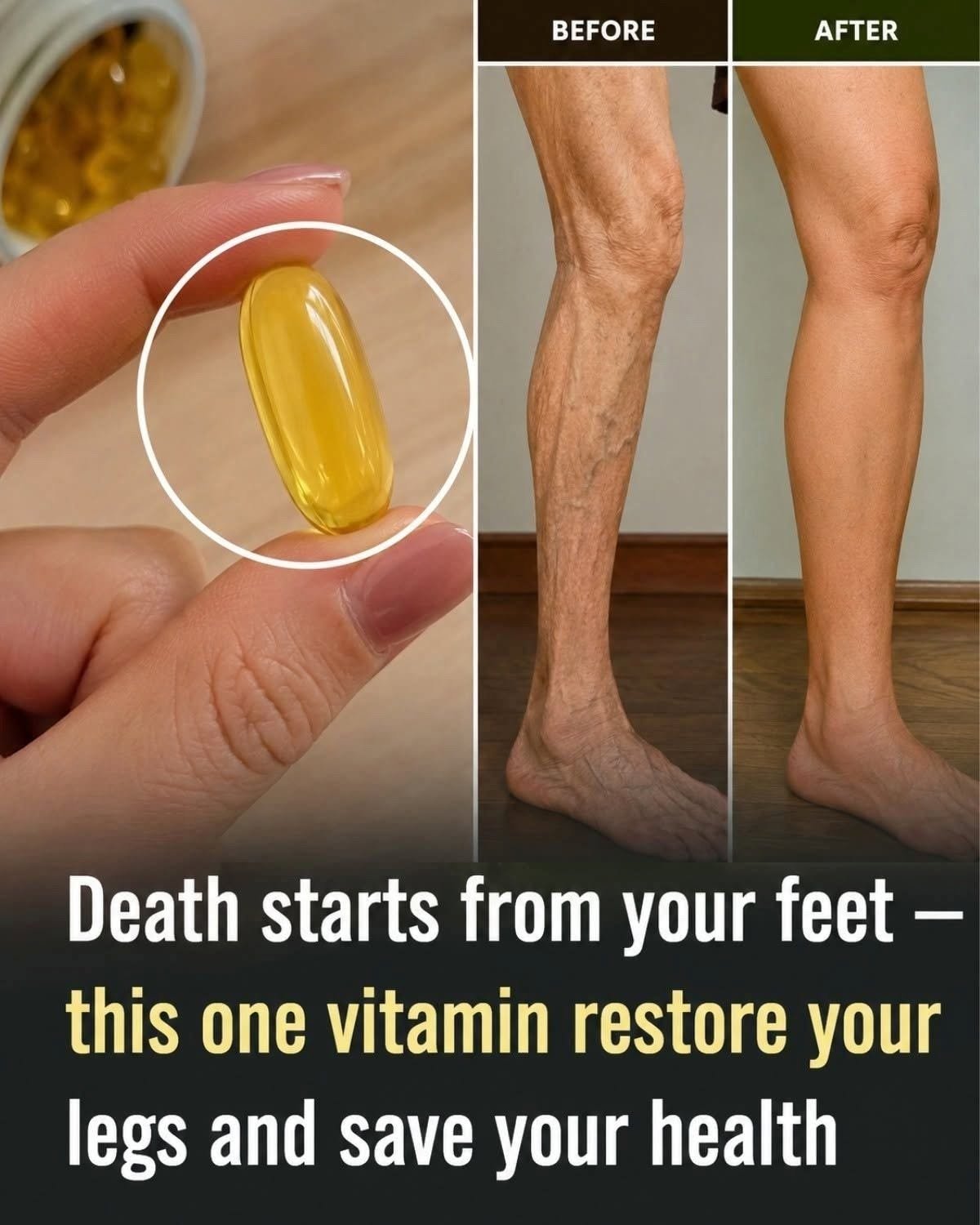
When health ads and wellness blogs tease dramatic headlines like “The Best Vitamin for Your Legs: What Dead Feet and Heavy Calves Are Missing,” they are using classic curiosity-gap marketing. They take common, unsettling physical sensations—like a numb foot or an achy, heavy calf after a long day—and frame them as the terrifying result of a secret nutritional deficiency that only their expensive, proprietary supplement can fix.
What the “Missing Vitamin” Myth Gets Wrong
Sensationalized supplement marketing relies on a few predictable tactics:
-
The “One Pill Cures All Systems” Illusion: Your legs are a complex structural network involving bones, muscles, deep and superficial veins, arteries, and an intricate peripheral nervous system. Lumping completely different biological issues—like nerve signaling versus blood flow—under a single “leg vitamin” label is medically absurd.
-
Pathologizing Normal Fatigue: Experiencing heavy calves after standing on concrete for eight hours or a temporary “dead foot” after sitting cross-legged is often simple biomechanics, muscle fatigue, or brief nerve compression, not a hidden systemic crisis.
The Clinical Reality: “Dead Feet” vs. “Heavy Calves”
When physicians evaluate these symptoms, they look at distinct physiological mechanisms rather than searching for a mythical missing nutrient:
-
“Dead Feet” (Numbness, Tingling, and Pins & Needles):
-
The Cause: These symptoms usually point to peripheral neuropathy or nerve compression. While a clinically diagnosed Vitamin B12 deficiency can indeed damage the protective myelin sheath surrounding nerves (leading to numbness and balance issues), neuropathy is vastly more commonly driven by conditions like type 2 diabetes, chronic metabolic issues, or mechanical spinal compression (such as sciatica or lumbar stenosis).
-
-
“Heavy Calves” (Achiness, Heaviness, and Fatigue):
-
The Cause: Heavy, tired legs at the end of the day are most frequently a hallmark of chronic venous insufficiency (CVI)—a condition where the tiny valves inside your leg veins struggle to push blood efficiently back up to the heart against gravity. Other causes include simple muscular fatigue, dehydration, or electrolyte shifts, rather than a vitamin shortage.
-
When Nutrients Actually Matter
While you cannot cure structural vein valve failure or complex nerve damage with a generic over-the-counter vitamin blend, specific nutrients do play a vital role when a true, medically diagnosed deficiency is present:
-
Vitamin B12: Essential for nerve health and red blood cell production. Deficiencies must be confirmed via blood work and are typically treated with targeted supplementation or injections, particularly in older adults or those with absorption issues.
-
Electrolytes and Hydration: Magnesium, potassium, and proper fluid balance support normal muscle contraction and prevent acute cramping, but they act as everyday physiological maintenance, not a miracle cure for chronic vascular or neurological issues.
The Bottom Line
Don’t fall for internet ads selling a single “miracle vitamin” to fix your legs. If you experience persistent numbness (“dead feet”) or chronic heaviness and swelling (“heavy calves”), skip the supplement aisle and consult a healthcare professional to identify the actual mechanical, vascular, or neurological cause.
