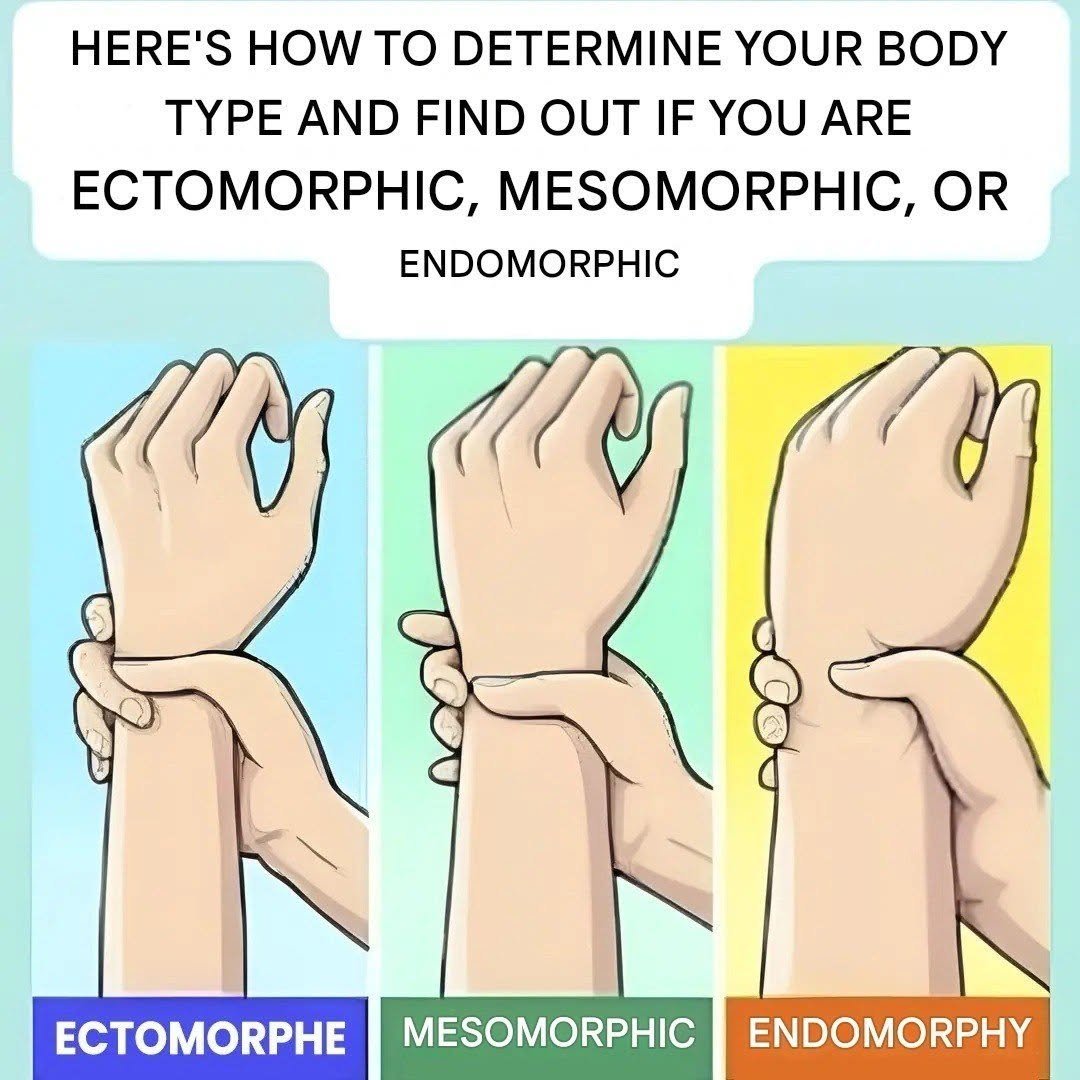
When fitness magazines and online quiz sites ask, “Are you an ectomorph, mesomorph, or endomorph? Discover your body type and how to make the most of it,” they are leaning on one of the fitness industry’s most persistent, oversimplified myths.
While sorting people into neat physical categories feels helpful for structuring a workout plan, the rigid “somatotype” framework is rooted in heavily outdated history rather than modern exercise science.
What the “Body Type” Framework Gets Wrong
-
Pseudoscientific Origins: The concept was originally created in the 1940s by an American psychologist named William Sheldon. Sheldon didn’t just classify bodies into ectomorphs (thin), mesomorphs (muscular), and endomorphs (rounded); he bizarrely claimed that these shapes dictated your personality, temperament, and even your propensity for criminal behavior. His psychological claims were thoroughly debunked, but the physical labels survived in gym culture.
-
The Illusion of Fixed Destiny: Fitness marketing uses these labels to imply your metabolic fate is locked in stone. You are told that if you are an “ectomorph,” you are doomed to stay skinny forever, or if you are an “endomorph,” your metabolism is permanently sluggish. This ignores how dynamically human bodies adapt.
The Clinical and Physiological Reality
Modern exercise science and physiology view human variation as a continuous spectrum, not a set of three isolated boxes.
-
Body Composition is Dynamic: Your weight, muscle mass, and fat distribution are not permanent biological traits; they are fluid outcomes of your environment, nutrition, physical activity, hormonal health, and age.
-
Hybrid Traits: Almost nobody fits cleanly into a “pure” category. Most people are a combination—for example, possessing a naturally slender frame (ectomorphic bone structure) while easily building muscle or storing fat depending on their caloric intake and training habits.
-
Metabolic Adaptation: While genetics influence how and where your body stores fat or builds muscle tissue, they do not bypass the laws of energy balance or cellular adaptation to resistance training and nutrition.
How to “Make the Most” of Your Actual Physiology
Instead of trying to fit a rigid somatotype template (like eating a specific “ectomorph diet” or avoiding carbs because of an “endomorph” label), modern coaching focuses on individual response and data-driven principles:
-
Train for Adaptation, Not Labels: Regardless of your natural bone structure or starting shape, skeletal muscle responds to progressive overload. If you want to grow muscle, you lift challenging weights and eat adequate protein. If your goal is body recomposition, you manage energy balance.
-
Track Personal Biometrics: Pay attention to how your body actually responds to sleep, stress, macronutrient splits, and training volume, rather than relying on generalized rules written for a fictional body type.
-
Focus on Sustainability: The best training and nutrition program is never the one matched to a pop-psychology body type quiz—it is the one you can consistently maintain and recover from.
The Bottom Line
You are a complex, adaptable human being, not an ectomorph, mesomorph, or endomorph. Skip the internet quizzes, ignore the rigid archetype rules, and build a fitness routine based on how your unique body actually responds to movement and nutrition.
