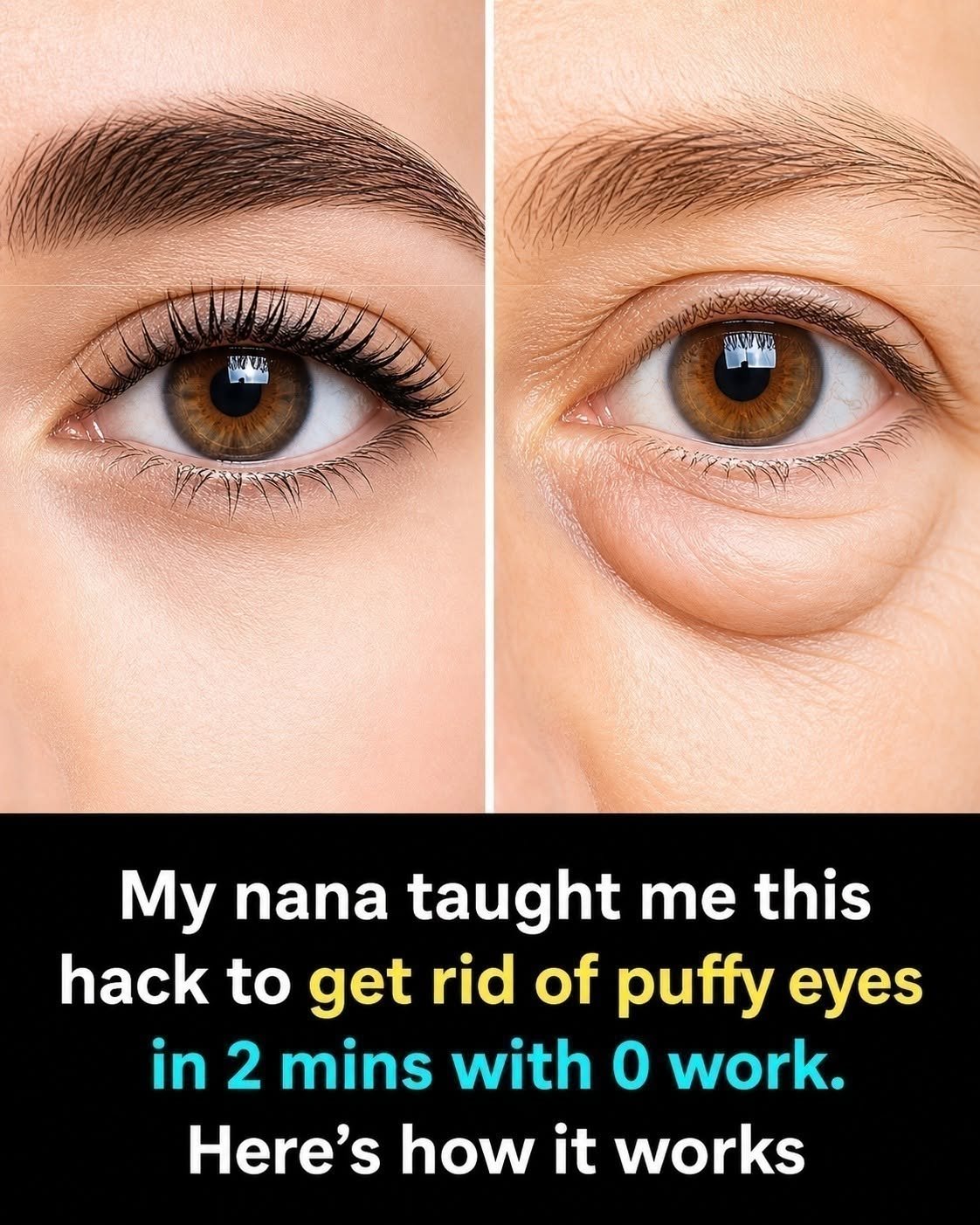
When lifestyle blogs and social media beauty videos flash dramatic headlines like “You Won’t Believe What 2 Minutes Can Do to Your Puffy Eyes,” they are relying on a classic curiosity-gap hook. They take a universally relatable morning annoyance—waking up with swollen or heavy eyelids—and frame it as a shocking beauty emergency that can only be solved by a bizarre kitchen trick or an expensive proprietary serum.
In reality, what happens in those two minutes isn’t a miraculous secret; it’s basic vascular physiology and fluid dynamics.
What Clickbait “Puffy Eye” Hacks Get Wrong
Sensationalized wellness marketing tends to misrepresent how the skin around the eyes behaves:
-
The “One-Size-Fits-All” Cure: Clickbait treats all under-eye puffiness as if it has the exact same root cause, promising that a single two-minute topical routine will magically erase every type of eye bag.
-
Conflating Fluid with Fat: Marketing hype often ignores the distinct anatomical differences between temporary fluid retention and permanent structural changes, selling quick fixes for conditions that require entirely different approaches.
The Clinical Reality: Why Eyes Get Puffy
Dermatologists and clinicians look at under-eye swelling through three primary structural categories: fluid, fat, and skin.
-
Fluid (Edema): This is the main culprit behind sudden or morning puffiness. While you sleep horizontally for seven or eight hours, the normal fluid drainage patterns of your face shift. Without the pull of gravity and the pumping action of blinking, fluid accumulates in the delicate, low-pressure tissues of the eyelids. This is heavily amplified by high-salt meals, alcohol consumption, seasonal allergies, crying, or sleep deprivation.
-
Fat: As people age, the supportive tissues and muscles around the eye weaken, allowing the natural fat pads that cushion the eyeballs to shift forward and bulge into the lower eyelids.
-
Skin: Natural loss of collagen and elasticity over time creates loose skin folds and shadows that mimic the appearance of swelling.
What Can Actually Happen in 2 Minutes (The Physiology)
Can a two-minute intervention actually make a visible difference? Yes, but only for fluid-based puffiness. The science behind quick fixes relies on two clear mechanisms:
-
Vasoconstriction (Cold Temperature): Applying something cold—like a chilled spoon, an ice pack, or cold cucumber slices—causes localized blood vessels to rapidly constrict (shrink). This slows down the seepage of fluid into the surrounding tissues and temporarily tightens the skin.
-
Topical Caffeine: Many eye creams utilize caffeine because it acts as a vasoconstrictor when absorbed through the skin, temporarily draining excess moisture and tightening the surface appearance.
However, these two-minute fixes are strictly temporary. If your under-eye bags are driven by age-related fat pad descent or structural skin laxity, a cold spoon or a caffeinated cream will only offer minimal, fleeting surface relief because plumbing physics cannot alter structural anatomy.
The Bottom Line
Two minutes can visibly reduce morning fluid retention thanks to cold-induced vasoconstriction, but it is a short-term physical response to a temporary fluid shift—not a permanent transformation or a secret medical breakthrough.
