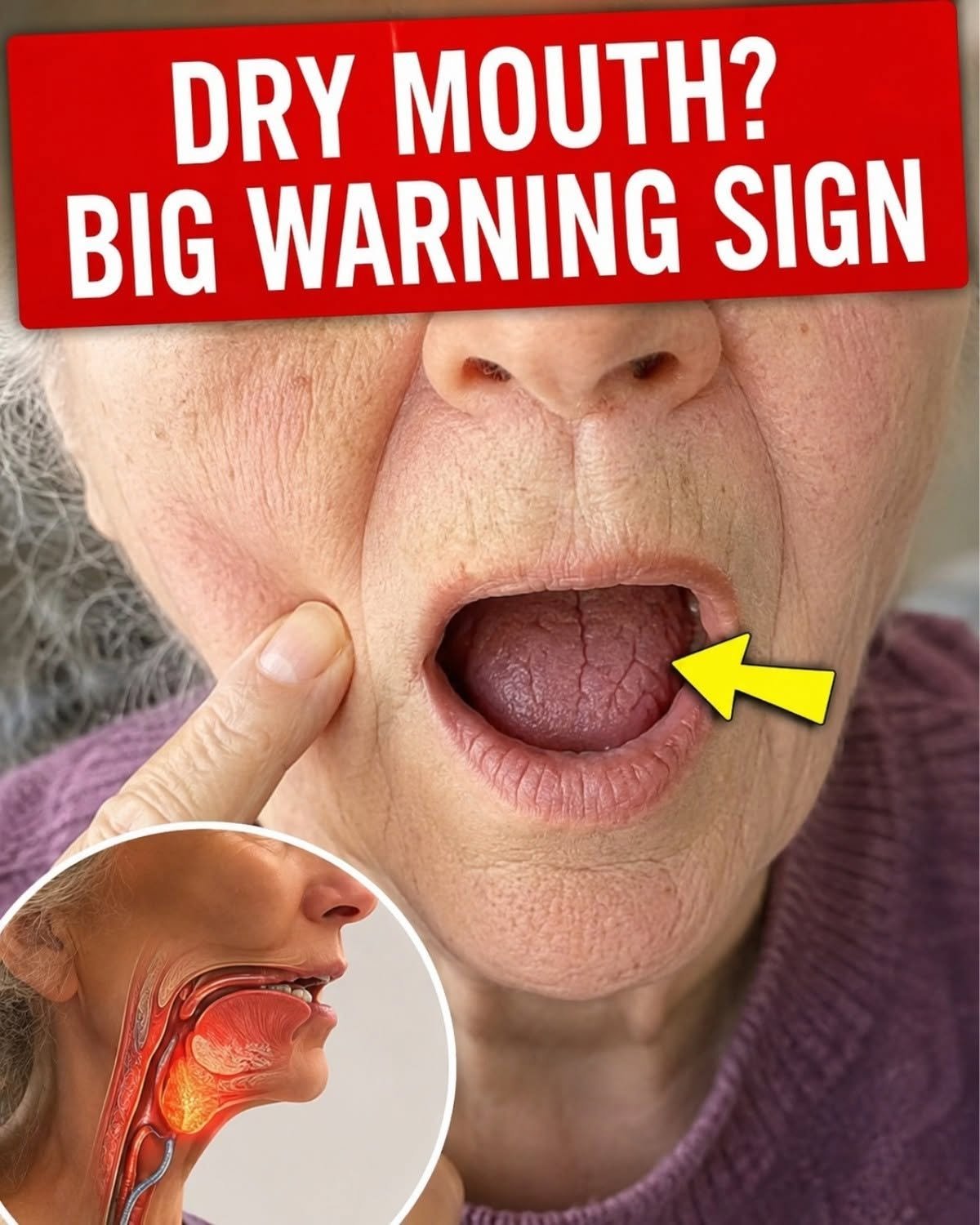
When health clickbait and sensationalized wellness blogs splash headlines like “Dry Mouth Is Not Aging — It’s Your Saliva Shutting Down,” they rely on dramatic, fatalistic language to turn a common physical annoyance into a terrifying medical mystery.
By framing your salivary glands as if they are permanently failing or simply “shutting down” due to the passage of time, these articles market fear rather than clinical science.
What Clickbait “Saliva Shutting Down” Myths Get Wrong
-
The Inevitability Fallacy: Clickbait often paints dry mouth (xerostomia) as an unavoidable penalty of getting older, ignoring the fact that many healthy older adults maintain perfectly normal salivary function.
-
The “Sudden Shutdown” Panic: Framing dry mouth as an abrupt systemic failure ignores the clear, identifiable, and often treatable mechanical and pharmacological triggers that actually reduce moisture.
The Clinical Reality: Why Salivary Flow Decreases
Dentists, otolaryngologists, and geriatric specialists evaluate decreased salivary output—known medically as hyposalivation—through an evidence-based lens. Salivary glands do not simply “shut down” on a whim; rather, their output is altered by specific, actionable factors:
-
Polypharmacy and Medication Side Effects: This is by far the leading culprit, particularly for older adults. Hundreds of commonly prescribed and over-the-counter medications—including those for high blood pressure, depression, anxiety, allergies (antihistamines), and bladder control—have anticholinergic properties that directly suppress fluid secretion in the salivary glands.
-
Mouth Breathing and Environmental Factors: Chronic nasal obstruction (from allergies or a deviated septum) forces open-mouth breathing during sleep or daily life. The continuous airflow acts like a fan over oral tissues, evaporating moisture much faster than glands can replenish it. Low indoor humidity and dehydration compound this effect.
-
Systemic Health Conditions: Underlying medical issues can directly affect glandular tissues. Autoimmune disorders like Sjögren’s syndrome (where the immune system attacks moisture-producing glands), uncontrolled diabetes, and neurological changes can alter how your body manages oral lubrication.
-
Medical Treatments: Targeted interventions such as radiation therapy to the head and neck region can damage salivary gland tissue, significantly reducing flow, while certain chemotherapy regimens can temporarily alter saliva composition.
Evidence-Based Ways to Manage Dry Mouth
You don’t need a miracle tonic or an alarmist panic to restore oral comfort. Practical, targeted strategies make a measurable difference:
-
Review Your Medications: If you experience persistent dryness, consult your physician or pharmacist. They can evaluate your medication list to see if adjusting dosages, changing timing, or switching to a less xerogenic alternative is appropriate.
-
Support Oral Hydration: Sip water regularly throughout the day, use alcohol-free mouthwashes designed for dry mouth to avoid further irritation, and run a clean humidifier in your bedroom at night.
-
Stimulate Natural Flow: Chewing sugar-free gum or using xylitol-based lozenges can mechanically stimulate your salivary glands to produce more natural moisture.
-
Prioritize Dental Protection: Because saliva acts as your mouth’s primary defense against plaque and decay, individuals with chronic dry mouth should maintain rigorous oral hygiene and consult their dentist for targeted fluoride treatments.
The Bottom Line
Your salivary glands aren’t mysteriously shutting down, and dry mouth isn’t an irreversible consequence of aging. It is a manageable symptom tied to medications, environmental habits, or underlying health factors. Skip the sensationalized warnings, check your prescriptions, and collaborate with your healthcare team to keep your oral health on track.
