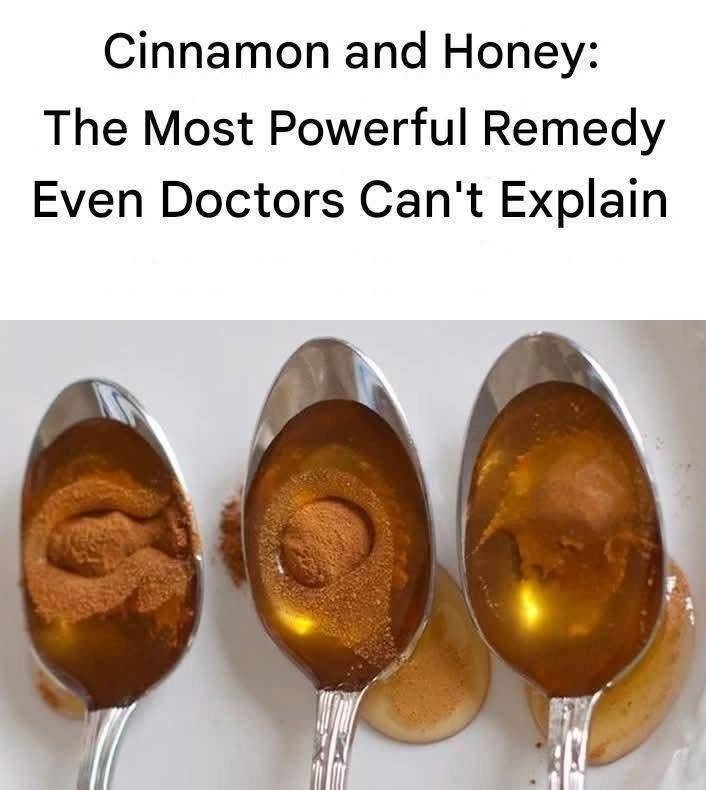
When wellness blogs and social media headlines hype “Cinnamon and Honey: A Powerful Remedy Even Doctors Can’t Fully Explain,” they lean into a classic internet trope: framing a cozy pantry combination as an unexplainable medical marvel that modern medicine is supposedly baffled by.
In reality, doctors aren’t mystified by a hidden healing secret; rather, clinical science doesn’t validate these claims because large-scale human trials show the mixture does not cure chronic diseases. The famous viral list claiming honey and cinnamon cures everything from arthritis to heart disease actually traces back decades to old tabloid articles, not medical journals.
What Clickbait “Honey and Cinnamon” Myths Get Wrong
-
The “Tabloid Miracle” Origin: The sweeping list of medical conditions supposedly cured by a honey-and-cinnamon paste comes from internet folklore and fictionalized sources rather than peer-reviewed clinical research.
-
The Synergistic Leap: Clickbait assumes that because two ingredients have individual benefits, mixing them together creates an exponential pharmacological powerhouse that overrides biology—something unsupported by toxicology or clinical trials.
The Clinical Reality: What Each Ingredient Actually Does
Pharmacologists, endocrinologists, and clinical dietitians look at honey and cinnamon through an evidence-based lens, separating culinary facts from exaggerated panaceas:
-
Honey as a Food, Not a Cure: Honey is primarily composed of simple sugars and water, alongside trace antioxidants. Clinical evidence supports its use for specific, limited applications—such as serving as an effective honey-based cough suppressant for children or acting as medical-grade honey for wound dressings. However, dumping honey into a drink adds significant sugar, which requires careful management for anyone monitoring blood glucose.
-
Cinnamon’s Real Biochemical Profile: Cinnamon contains active compounds like cinnamaldehyde and rich antioxidants. Some clinical studies on isolated, highly concentrated cinnamon supplements have shown modest effects on fasting blood sugar or lipid markers. However, sprinkling grocery store cinnamon into honey does not replicate those concentrated supplement doses, nor does it replace prescribed medications.
-
The Cassia Cinnamon and Coumarin Factor: Most standard grocery store cinnamon is Cassia cinnamon, which contains a natural compound called coumarin. Consuming large, therapeutic quantities of Cassia cinnamon daily over long periods can pose liver stress for sensitive individuals, making heavy medicinal dosing risky.
The Bottom Line
Honey and cinnamon make a wonderful, comforting addition to toast, oatmeal, or tea. But they are a delicious culinary pairing, not a clinical treatment for systemic illness. Skip the sensationalized internet cures, enjoy them as part of a balanced diet, and rely on evidence-based medicine for health conditions.
