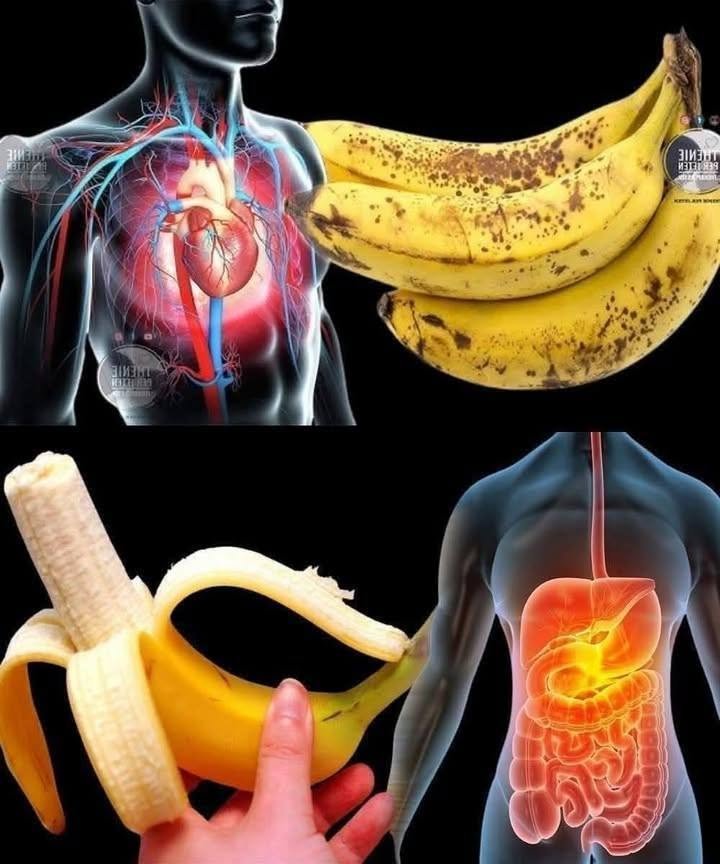
When sensationalized health blogs and social media clips flash alarming clickbait hooks like “Did you know that eating bananas increases…” (typically finished with warnings about rapid weight gain, stubborn belly fat, or dangerous blood sugar spikes), they rely on a familiar formula: taking a wholesome, nutrient-dense fruit and weaponizing its natural carbohydrate content to generate internet panic.
In nutritional science and clinical dietetics, a banana is not a metabolic hazard. It is a portable, accessible source of essential vitamins, minerals, and dietary fiber.
What Clickbait “Banana Warnings” Get Wrong
-
The “Candy Bar Equivalency” Fallacy: Clickbait articles often treat the natural sugars inside a banana as if they are chemically identical to refined, added sugars in processed junk food, ignoring the vital structural context of the fruit.
-
The “Single-Food Fat” Myth: Sensationalized posts frequently label bananas as inherently “fattening,” pretending that eating a whole fruit automatically translates to body fat accumulation regardless of overall caloric balance.
The Physiological Reality: Carbohydrates, Fiber, and Ripening
To understand how bananas affect the body, nutrition scientists look at how their composition changes over time and how they interact with digestion:
-
Starch Transformation During Ripening: As a banana transitions from firm and green to soft and yellow, its internal chemistry shifts. Unripe bananas are rich in resistant starch, a type of carbohydrate that behaves similarly to dietary fiber—digesting slowly and producing a more gradual glycemic response. As the banana ripens, enzymes convert that starch into natural sugars (fructose, glucose, and sucrose), which are absorbed more quickly.
-
The Buffering Power of Fiber and Micronutrients:Even a ripe banana contains several grams of dietary fiber, which slows down digestion and moderates the absorption of sugar into the bloodstream. Furthermore, bananas provide valuable micronutrients like potassium (which supports vascular regulation and blood pressure) and vitamin B6 (essential for neurological function).
Evidence-Based Approaches to Enjoying Bananas
Instead of eliminating a healthy fruit out of fear-mongering headlines, a balanced nutritional strategy focuses on context and moderation:
-
Match Ripeness to Your Goals: If you prefer a slower, more gradual glycemic response, choose bananas that are still slightly firm and yellow-green, which offer higher levels of resistant starch.
-
Pair with Proteins or Healthy Fats: If you are mindful of blood sugar stability, pairing a banana with a source of protein or healthy fat (such as a spoonful of nut butter or Greek yogurt) further slows digestion and blunts post-meal glucose peaks.
-
Fit Within Your Total Energy Balance: Like any food, bananas contribute calories. When integrated into an active lifestyle and an overall nutrient-dense diet, they fit comfortably into healthy weight management.
