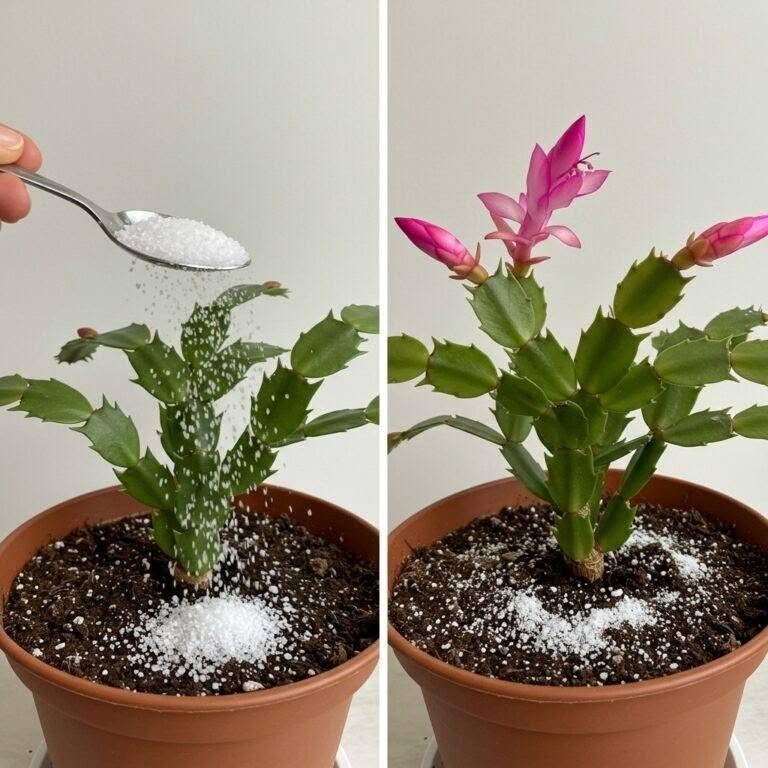
When viral gardening blogs and social media clips tease headlines like “Fall Awakening: Breathing Life into House Flowers with a Little Secret,” they rely on the universal appeal of a magical, kitchen-sink shortcut. By promising that a mysterious liquid, spice, or household leftover can instantly shock indoor plants back into peak bloom just as the seasons shift, these videos trade plant biology for internet theater.
What Clickbait “Plant Secret” Hacks Get Wrong
-
The “Magic Potion” Fallacy: Clickbait articles often advocate dumping random kitchen concoctions—like leftover coffee, eggshell water, or garlic purees—directly into potted plants, pretending these items act as instant growth serums. In reality, unmeasured organic matter can decompose in confined indoor pots, attracting fungus gnats and souring the soil.
-
Misunderstanding Seasonal Rhythms: Framing autumn as a time for a sudden “awakening” or aggressive blooming ignores the natural biological clock of most indoor plants, which actually respond to shortening days and cooler temperatures by slowing down.
The Horticultural Reality: How Indoor Plants Experience Autumn
Horticulturists and botanists evaluate indoor plant health through environmental changes rather than secret tricks. As summer turns to autumn, two major factors transform an indoor plant’s environment:
-
The Shifting Photoperiod and Light Intensity: As the Earth tilts, the duration and intensity of natural sunlight drop sharply. Because indoor plants rely entirely on light for photosynthesis, reduced daylight naturally reduces their metabolic rate. They are not “waking up” in the fall; rather, many enter a period of reduced growth or semi-dormancy.
-
Indoor Heating and Humidity Shifts: When furnaces turn on for the cooler months, indoor humidity plummets, and ambient air becomes dry. Tropical houseplants (like ferns, calatheas, and many flowering indoor varieties) experience stress not from a lack of kitchen magic, but from dry air and abrupt temperature fluctuations near drafty windows or heating vents.
Evidence-Based Steps for Autumn Plant Care
Instead of hunting for viral secrets, keeping indoor plants healthy through the seasonal transition relies on consistent, foundational care:
-
Adjust Your Watering Schedule: Because cooler temperatures and weaker light slow down how fast soil dries out, plants need less water in autumn and winter. Always check soil moisture a few inches down before watering to prevent root rot.
-
Optimize Light Exposure: As daylight hours shrink, move sun-loving indoor plants closer to south- or east-facing windows to maximize every available hour of natural light.
-
Hold Off on Heavy Fertilizing: Because plants are naturally slowing down their growth during the colder months, they do not need heavy feeding. Pushing fertilizer onto a dormant plant can lead to a buildup of unabsorbed mineral salts that burn the roots.
-
Boost Ambient Humidity: Counteract the drying effects of indoor heating by grouping humidity-loving plants together or placing them on pebble trays filled with water to create a localized microclimate.
