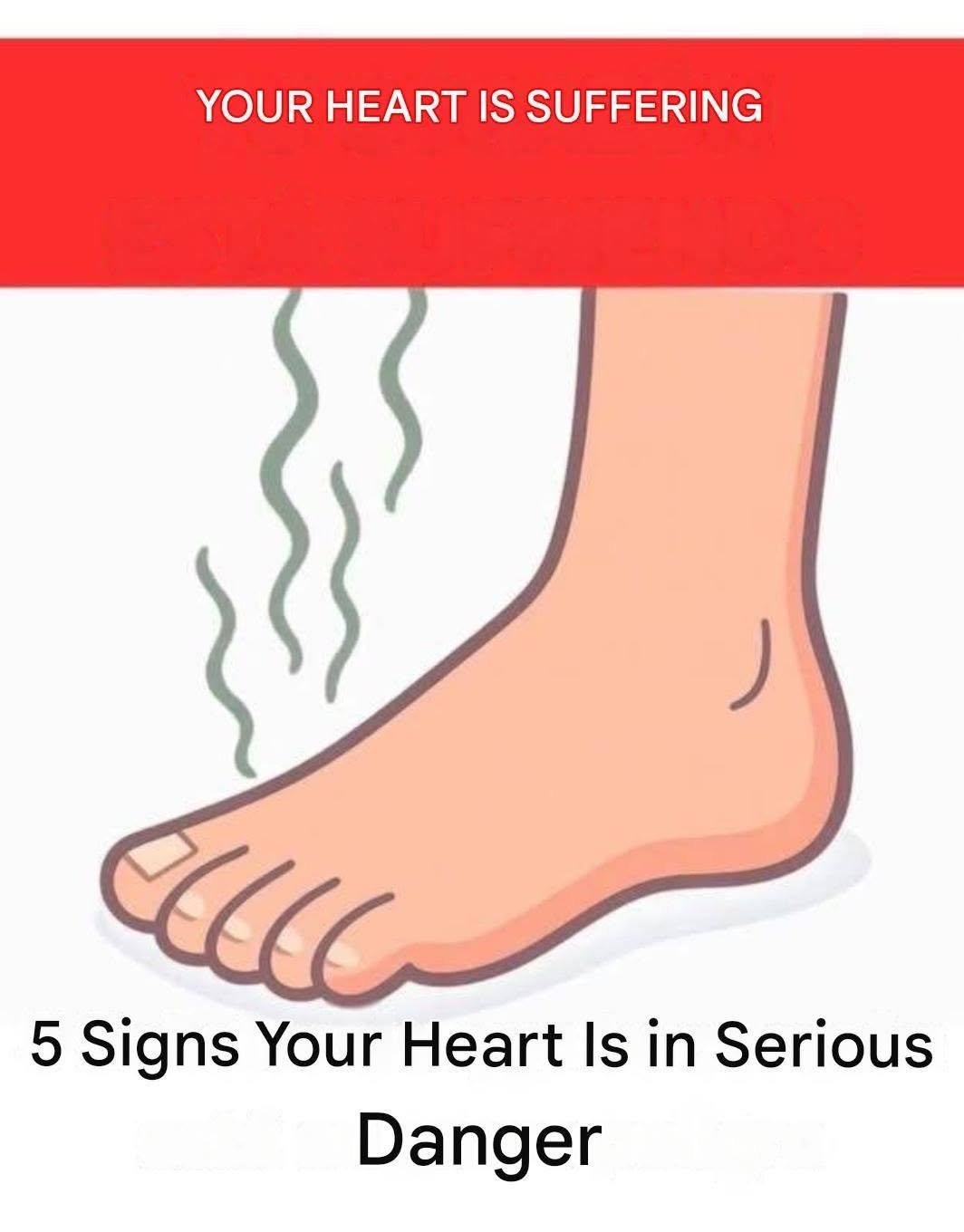
Your heart is remarkably good at signaling when something isn’t working quite right, but those signals are often subtle, easy to dismiss as fatigue, or attributed to aging, stress, or a heavy meal.
Recognizing the key warning signs of cardiovascular distress early can be life-saving. Here are the important signs that your heart may need attention:
1. Unusual Shortness of Breath (Dyspnea)
-
What It Feels Like: Catching your breath after climbing a flight of stairs is normal; getting winded walking across a room, doing light housework, or experiencing breathlessness while resting or lying flat is not.
-
Why It Happens: When the heart muscle weakens or stiffens (as in heart failure or coronary artery disease), it cannot pump blood efficiently. This causes blood and fluid to back up into the lungs, making gas exchange difficult.
2. Discomfort, Pressure, or Pain in the Chest
-
What It Feels Like: Often described as a heavy pressure, squeezing, fullness, tightness, or aching in the center or left side of the chest. It can also manifest as a burning sensation or a feeling of a tight band around the chest.
-
Why It Happens: This occurs when the heart muscle is temporarily starved of oxygen-rich blood due to narrowed or blocked coronary arteries (angina or a heart attack).
-
Note: Pain can also radiate outward to the jaw, neck, back, upper stomach, or down one or both arms.
3. Persistent Fatigue and Exhaustion
-
What It Feels Like: A crushing, unrelenting fatigue that makes everyday tasks—like carrying groceries, making the bed, or walking to the mailbox—feel like running a marathon.
-
Why It Happens: When cardiac output drops, the body prioritizes sending blood to vital organs like the brain and kidneys, drastically reducing blood flow to muscles. Women, in particular, frequently report severe, sudden fatigue weeks before experiencing a cardiac event.
4. Swelling (Edema) in the Lower Extremities
-
What It Feels Like: Noticeable swelling in your feet, ankles, lower legs, or abdomen, often leaving a temporary indent when you press a finger into the skin (pitting edema). You might also notice your shoes feeling suddenly tight.
-
Why It Happens: As the heart’s pumping efficiency declines, blood flow slows down and backs up in the veins. This causes fluid to seep out of blood vessels and into surrounding tissues, particularly in the lowest parts of the body due to gravity.
5. Heart Palpitations or Irregular Rhythms
-
What It Feels Like: Feeling your heart racing, pounding, fluttering wildly in your chest, or skipping beats, even when you are sitting completely still or resting.
-
Why It Happens: While occasional palpitations can be triggered by stress, caffeine, or dehydration, frequent or sustained irregular rhythms (such as atrial fibrillation) indicate that the heart’s electrical system is misfiring, increasing the risk of stroke or heart strain.
6. Dizziness, Lightheadedness, or Fainting
-
What It Feels Like: A sudden feeling of wooziness, unsteadiness, or blacking out (syncope) when standing up or exerting yourself.
-
Why It Happens: If the heart pumps too slowly, beats erratically, or encounters a sudden drop in blood pressure, the brain momentarily loses its steady supply of oxygenated blood.
7. Cold Sweats, Nausea, or Sudden Indigestion
-
What It Feels Like: Breaking out in a cold, clammy sweat for no apparent reason, or experiencing sudden, unexplained nausea, vomiting, or severe indigestion-like discomfort.
-
Why It Happens: These “atypical” symptoms—often experienced during a heart attack, especially by women, older adults, and individuals with diabetes—occur because the autonomic nervous system triggers a fight-or-flight response when the heart muscle undergoes acute stress.
When to Seek Immediate Emergency Care
If you or someone nearby experiences sudden, severe chest pressure, pain radiating to the jaw or arm, sudden shortness of breath accompanied by cold sweats, or sudden fainting, call emergency services (such as 911) immediately. Never wait to see if cardiac symptoms will pass on their own.
