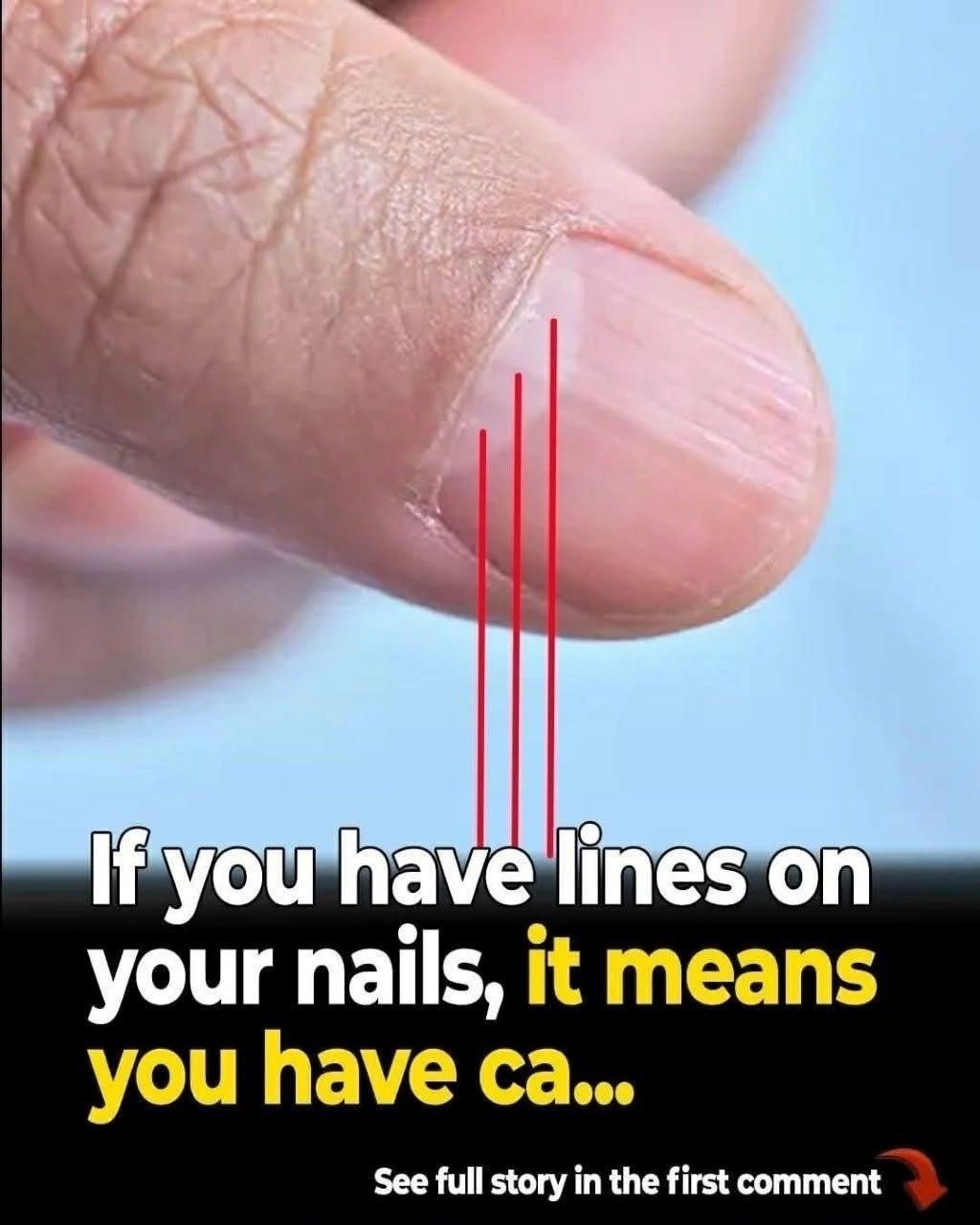
Your fingernails can act as a surprising window into your body’s overall vitality, cellular turnover, and internal health. Longevity researchers and medical professionals often look at specific markers—most notably the rate of nail growth and structural changes—as external indicators of how efficiently your body is aging.
1. The Rate of Nail Growth (Cellular Regeneration)
Experts, including Harvard geneticist and longevity researcher Dr. David Sinclair, point out that how fast your fingernails grow is a telling indicator of your body’s metabolic health and cellular renewal.
-
The Science: Nails are made of keratin, a protein produced by rapidly dividing cells. As people age or experience systemic decline, blood circulation decreases, metabolism slows down, and cellular regeneration drops. Studies show that average nail growth slows down steadily over a lifetime (by roughly 0.5% per year after age 25).
-
What It Means: Robust, steady nail growth reflects strong microcirculation, efficient nutrient delivery, and healthy cellular turnover. A sudden or dramatic slowing in how fast your nails grow can mirror a slowdown in your body’s internal regenerative capacity.
2. Other Structural and Visual Warning Signs in Nails
Beyond growth speed, physicians evaluate several distinct nail shifts that can point to underlying systemic conditions affecting long-term health:
-
Nail Clubbing (Cardiovascular & Pulmonary Health): When the fingertips widen and round out, and the nails curve downward around the tips like an upside-down spoon, it is known as clubbing. This is frequently a sign that the body—specifically the heart or lungs—is not receiving adequate oxygen, often linked to chronic lung conditions or cardiovascular issues.
-
Spoon-Shaped Nails (Koilonychia): Nails that become thin and concave (depressed inward enough to hold a drop of water) most commonly point to severe iron-deficiency anemia, but can occasionally indicate chronic systemic stress or heart strain.
-
Terry’s Nails (Liver or Kidney Function): If the nails turn mostly white with a characteristic dark, reddish-brown band near the tip, it can be a warning sign of internal systemic disease, such as liver cirrhosis, congestive heart failure, or diabetes.
-
Vertical vs. Horizontal Ridges: While fine vertical ridges are typically a harmless, normal part of aging, deep horizontal grooves (known as Beau’s lines) indicate that nail growth was abruptly interrupted by a severe systemic illness, high physical stress, or metabolic shock weeks prior.
While everyday cosmetic changes or minor ridges are usually harmless, dramatic, sudden shifts in nail texture, color, shape, or growth speed are worth bringing up during your next physical exam to ensure your internal organs and circulation are functioning optimally.
