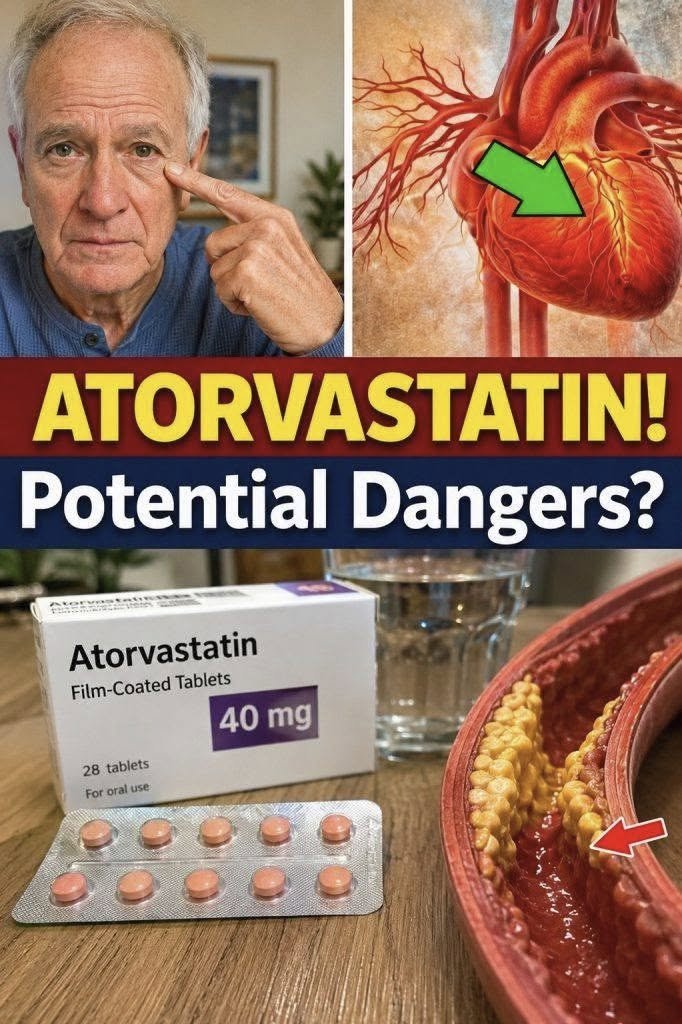
Atorvastatin, widely known by its brand name Lipitor, is one of the most commonly prescribed medications in the world. As a member of the statin class of drugs, it is primarily prescribed to lower LDL (“bad”) cholesterol, reduce triglycerides, and protect against cardiovascular events like heart attacks and strokes.
While Atorvastatin is generally well-tolerated and highly effective at managing cardiovascular risk, understanding its potential side effects, physiological mechanisms, and what to watch out for helps ensure safe and informed use.
Here are 15 important things worth knowing about Atorvastatin:
1. Muscle Aches and Tenderness (Myalgia)
-
What to Know: The most frequently reported side effect of statins is muscle discomfort, ranging from mild soreness or weakness to a heavy, aching feeling in the thighs, calves, or shoulders.
-
Why It Happens: Statins inhibit the enzyme HMG-CoA reductase (which your liver uses to make cholesterol), but this same biochemical pathway also affects the production of Coenzyme Q10 (CoQ10)—a vital molecule required for cellular energy production in muscle cells.
2. Rare Risk of Severe Muscle Breakdown (Rhabdomyolysis)
-
What to Know: While mild muscle aches are relatively common, severe muscle damage known as rhabdomyolysis is extremely rare. It occurs when skeletal muscle tissue breaks down rapidly, releasing proteins (like myoglobin) into the bloodstream that can strain the kidneys.
-
What to Watch For: Dark brown urine, severe muscle weakness, and intense, unexplained muscle pain require immediate medical attention.
3. Mild Elevation of Liver Enzymes
-
What to Know: Because Atorvastatin works directly in the liver to block cholesterol production, it can occasionally cause liver enzymes to rise, indicating mild hepatic stress.
-
What to Watch For: Doctors routinely check baseline liver function tests before starting statins and monitor them periodically. Symptoms of significant liver issues include yellowing of the skin or eyes (jaundice), dark urine, and persistent upper-right abdominal pain.
4. Increased Risk of New-Onset Type 2 Diabetes
-
What to Know: Long-term clinical studies have shown that statin therapy is associated with a slight, dose-dependent increase in blood glucose levels, occasionally tipping pre-diabetes into mild type 2 diabetes.
-
The Perspective: For the vast majority of patients, the cardiovascular benefits of preventing a heart attack far outweigh this modest metabolic risk, but monitoring blood sugar (HbA1c) is wise for at-risk individuals.
5. Digestive Upset (Nausea, Gas, and Indigestion)
-
What to Know: Some patients experience mild gastrointestinal side effects when first starting Atorvastatin, including nausea, mild abdominal cramping, constipation, or gas. Taking the medication with a meal can often minimize stomach irritation.
6. Mild Headaches and Dizziness
-
What to Know: Mild, transient headaches or occasional lightheadedness can occur, particularly during the first few weeks as your body adjusts to the medication.
7. Sleep Disturbances (Insomnia or Vivid Dreams)
-
What to Know: Though less common, some patients report difficulty falling asleep, staying asleep, or experiencing unusually vivid dreams while taking statins.
8. Potential Impact on Cognitive Function (Memory and Brain Fog)
-
What to Know: There have been rare, anecdotal reports of mild, reversible memory loss, forgetfulness, or “brain fog” associated with statin use. However, large-scale clinical reviews generally show no long-term cognitive decline linked to statins, and some studies even suggest protective cardiovascular effects for the brain.
9. A Potent Food Interaction: Grapefruit Juice
-
What to Know: Grapefruit and grapefruit juice contain compounds called furanocoumarins, which temporarily block the specific liver enzymes (CYP3A4) responsible for breaking down Atorvastatin.
-
The Risk: Drinking large amounts of grapefruit juice while taking Atorvastatin can cause the drug to accumulate in your bloodstream, significantly increasing the risk of side effects like muscle pain.
10. Drug Interactions (Macrolide Antibiotics & Antifungals)
-
What to Know: Certain medications share the same liver metabolic pathways as Atorvastatin. Common antibiotics (like erythromycin) and antifungal medications can interfere with how your body clears the drug, temporarily raising statin levels in your blood.
11. Coenzyme Q10 (CoQ10) Depletion
-
What to Know: Because statins reduce the body’s natural synthesis of CoQ10, some integrative healthcare providers suggest co-supplementing with CoQ10 to support cellular energy production and help mitigate statin-induced muscle aches.
12. Evening vs. Morning Dosing Flexibility
-
What to Know: While older, shorter-acting statins were strictly recommended for bedtime use because cholesterol synthesis peaks overnight, Atorvastatin has a very long half-life (around 14 hours). This means it remains active in your system regardless of what time of day you take it, though consistency is key.
13. It is Not a Replacement for Lifestyle Changes
-
What to Know: Atorvastatin effectively manages internal cholesterol production, but it is most powerful when paired with heart-healthy lifestyle foundations—such as regular aerobic and resistance exercise, quitting smoking, and eating a fiber-rich, whole-food diet.
14. Pregnancy and Breastfeeding Contraindication
-
What to Know: Statins are strictly contraindicated during pregnancy and breastfeeding. Cholesterol is critical for fetal neurological and cellular development, and statin medications pose potential risks to the developing baby.
15. Discussing Side Effects Instead of Stopping Abruptly
-
What to Know: If you experience uncomfortable side effects like muscle aches, never stop taking a prescribed statin abruptly without speaking to your doctor first. Often, adjusting the dosage, switching to a different type of statin, or modifying your schedule can resolve the issue while keeping your heart protected.
A Professional Reminder: Always consult your physician or cardiologist before making any changes to your prescription medication routine, especially when balancing cholesterol management with other underlying health conditions.
