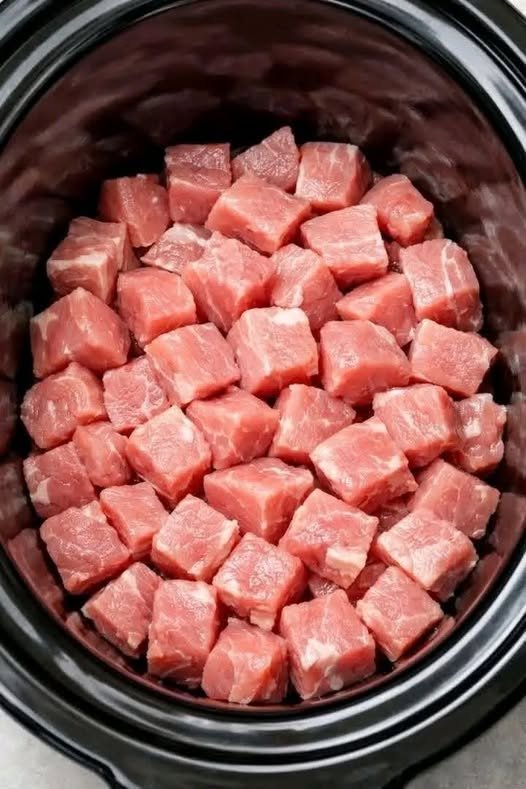
Working with cubed meat—whether it is beef chuck for a hearty stew, pork shoulder for carnitas, or chicken breast for skewers—requires specific techniques to ensure the pieces turn out tender, juicy, and packed with flavor rather than dry or tough.
1. The Golden Rules for Cooking Cubed Meat
-
Pat Completely Dry Before Searing: Moisture is the enemy of a good sear. Always pat your cubed meat thoroughly with paper towels before seasoning. If the surface is wet, it will steam in the pan instead of caramelizing into a rich, flavorful crust.
-
Don’t Overcrowd the Pan: If you dump all your meat into the pan at once, the temperature drops and the meat releases its juices, boiling instead of browning. Sear the cubes in small, single-layer batches with a little high-heat oil.
-
Match the Cut to the Method:
-
Tough, connective-tissue-rich cuts (like chuck roast or pork shoulder) need slow cooking (braising or stewing in liquid over low heat) so the collagen breaks down into gelatin, making the meat melt-in-your-mouth tender.
-
Lean cuts (like chicken breast or tenderloin) cook fast and dry out easily, making them ideal for quick high-heat methods like stir-frying, grilling, or pan-searing.
-
2. Pro-Tips for Maximizing Tenderness
-
The Acid Marinade Secret: If you are using leaner cuts of cubed meat for kebabs or quick sautés, add an acidic element (like lemon juice, vinegar, or yogurt) to your marinade. Acid gently breaks down surface proteins, yielding a more tender bite.
-
Rest Before Serving: If you are pan-searing or skewering smaller pieces of cubed meat, let them rest for 3 to 5 minutes after cooking. This allows the internal muscle fibers to relax and reabsorb their flavorful juices.
