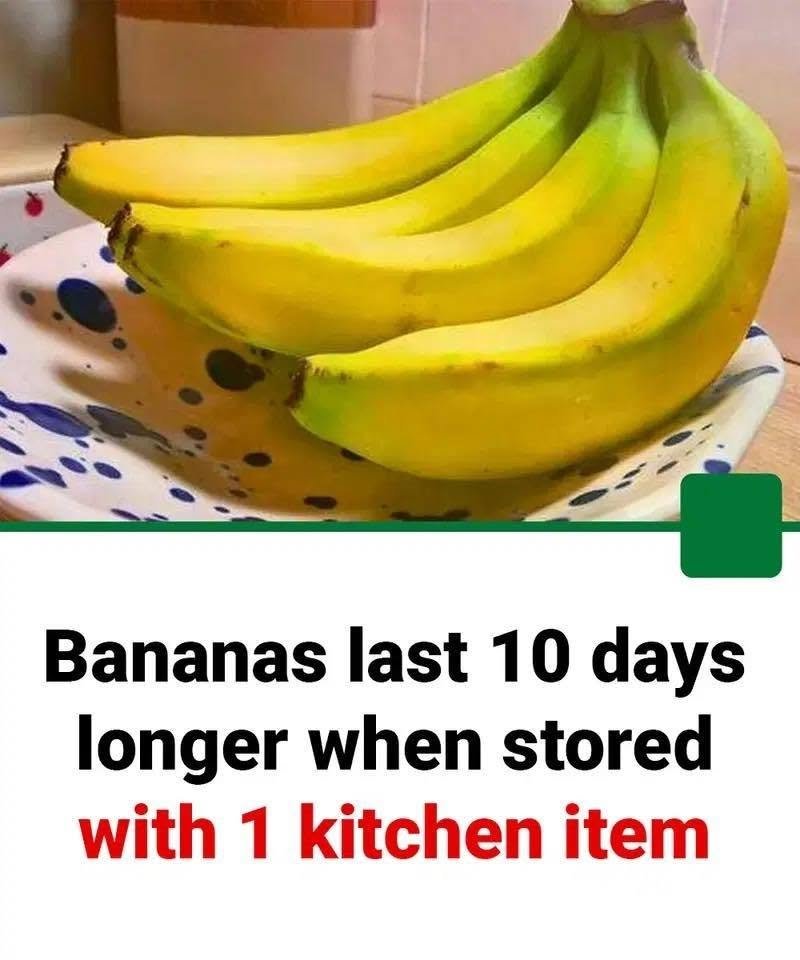
When sensationalized kitchen-hack clickbait flashes headlines like “Bananas Last 10 Days Longer When Stored with One Kitchen Item Instead of in a Fruit Bowl,” they love to frame everyday food storage as a secret, mind-blowing revelation. They want you to believe that storing a banana normally is a catastrophic waste of money and that one magical item will freeze time for your produce.
From a food science and post-harvest horticulture perspective, the science of ripening is actually fascinatingly simple. While no kitchen trick will keep a banana fresh for an extra 10 days, understanding how ethylene gas works allows you to significantly extend the life of your produce and stop bananas from turning to mush on your counter.
The Reality Behind Banana Ripening and Ethylene Gas
Why do bananas ripen so quickly, and what is actually happening in your kitchen?
-
The Ethylene Hormone: Bananas are climacteric fruits, meaning they continue to ripen and release ethylene gas even after being harvested. This invisible, odorless plant hormone acts as a chemical messenger that accelerates starch-to-sugar conversion and skin softening.
-
The Crown Connection: The vast majority of ethylene gas released by a banana is concentrated at and escapes through its crown (the stem). When bananas are bunched together in a fruit bowl, they bathe each other in this gas, triggering a domino effect of rapid over-ripening.
-
The Temperature and Humidity Factor: Heat and direct sunlight speed up cellular respiration and ethylene production. Conversely, cooler, well-ventilated environments slow down the ripening process—though putting unpeeled bananas straight into a regular refrigerator can cause chilling injury, turning the skins unappealingly black (even if the fruit inside remains edible).
The “Kitchen Item” Trick (and How It Actually Works)
So, what is the secret item clickbait articles always tease? It is almost always plastic wrap, foil, or a damp paper towel applied to the stem, or hanging the bananas up. Here is how science evaluates these methods:
-
Wrapping the Crown (Plastic Wrap or Foil):
-
How it works: Wrapping tightly around the crown creates a physical barrier that traps or slows the escape of ethylene gas, preventing it from flooding the rest of the fruit.
-
The reality: It genuinely works, extending yellow freshness by about 3 to 5 days, though it won’t magically grant an extra 10 days.
-
-
Separating the Bananas:
-
How it works: Snapping or cutting individual bananas apart so their crowns are isolated stops them from sharing ethylene gas with their neighbors.
-
-
Hanging the Bunch:
-
How it works: Using a banana hanger promotes 360-degree air circulation around the fruit, preventing bruising from sitting flat on a counter and dispersing pooling ethylene gas.
-
Evidence-Based Ways to Maximize Produce Freshness
If you want to stop wasting overripe fruit and keep your bananas delicious for as long as possible, food science recommends these practical habits:
-
Isolate Your Bunch: Separate your bananas as soon as you bring them home, and wrap each stem tightly in a small piece of plastic wrap or foil.
-
Keep Away from Other Ripening Fruit: Don’t store bananas right next to apples, avocados, or tomatoes—all of which are heavy ethylene producers that will accelerate your bananas’ journey to brown.
-
Embrace the Freezer for Overripe Fruit: If your bananas do cross the threshold into super-ripe, don’t throw them away! Peel them, chop them into chunks, and toss them into a freezer bag. They become the ultimate creamy base for morning smoothies or healthy baking.
