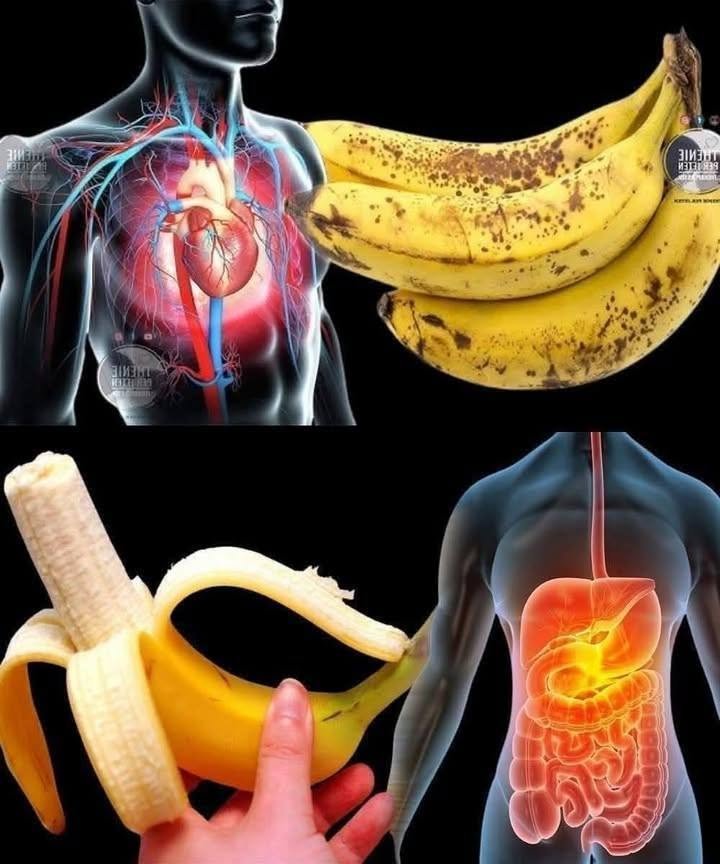
When social media feeds or sensationalized wellness blogs tease that “eating bananas increases…”—usually finishing the sentence with something alarming like rapid fat gain, dangerous blood sugar spikes, or toxic potassium levels—they are relying on a familiar playbook: taking a wholesome, everyday fruit and transforming it into a hidden dietary menace to drive clicks.
In reality, bananas are one of the most thoroughly researched and safely consumed fruits on the planet. They do not possess hidden metabolic traps, nor do they act as a physiological hazard for the average person.
What Clickbait Banana Myths Get Wrong
-
The “Sugar Equals Candy” Fallacy: Clickbait articles love to equate the natural carbohydrates in a banana to processed table sugar or candy bars, ignoring the fact that whole fruit comes packaged with vital matrix components.
-
The “Potassium Overdose” Panic: Viral posts occasionally warn that eating bananas will dangerously overload your system with potassium, inflating a rare clinical condition into an everyday fear.
The Clinical Reality: What Eating Bananas Actually Does
Nutritionists, endocrinologists, and clinical dietitians view bananas through the lens of ordinary human metabolism and biochemistry:
-
Fiber and Controlled Glycemic Response: While a medium banana does contain natural sugars (fructose, glucose, and sucrose) and carbohydrates, it also contains roughly 3 grams of dietary fiber and resistant starch (especially when slightly green). This fiber slows down digestion and the rate at which glucose enters the bloodstream, preventing the sharp, erratic spikes associated with processed sweets.
-
The Truth About Potassium and Toxicity: Bananas are indeed a good source of potassium (roughly 400 mg per medium fruit), which helps regulate blood pressure and fluid balance. However, the idea that you can easily cause a dangerous condition called hyperkalemia (excess potassium in the blood) by eating a banana is false. Clinical experts note that a person with healthy kidneys would need to consume hundreds of bananas in a single sitting to approach a toxic potassium threshold. (Note: Individuals with advanced chronic kidney disease who are under strict medical orders to restrict dietary potassium do need to monitor their intake, but this is a specific medical exception, not a general rule.)
-
Essential Micronutrients: Beyond carbohydrates, bananas deliver meaningful amounts of Vitamin B6 (supporting nervous system function and energy metabolism), Vitamin C, and magnesium, making them a nutrient-dense, portable energy source.
The Bottom Line
Eating a banana does not trigger sudden fat gain, wreck your metabolism, or poison your body with minerals. Skip the alarmist internet headlines and enjoy them as a convenient, fiber-rich, and nutritious part of a balanced diet.
