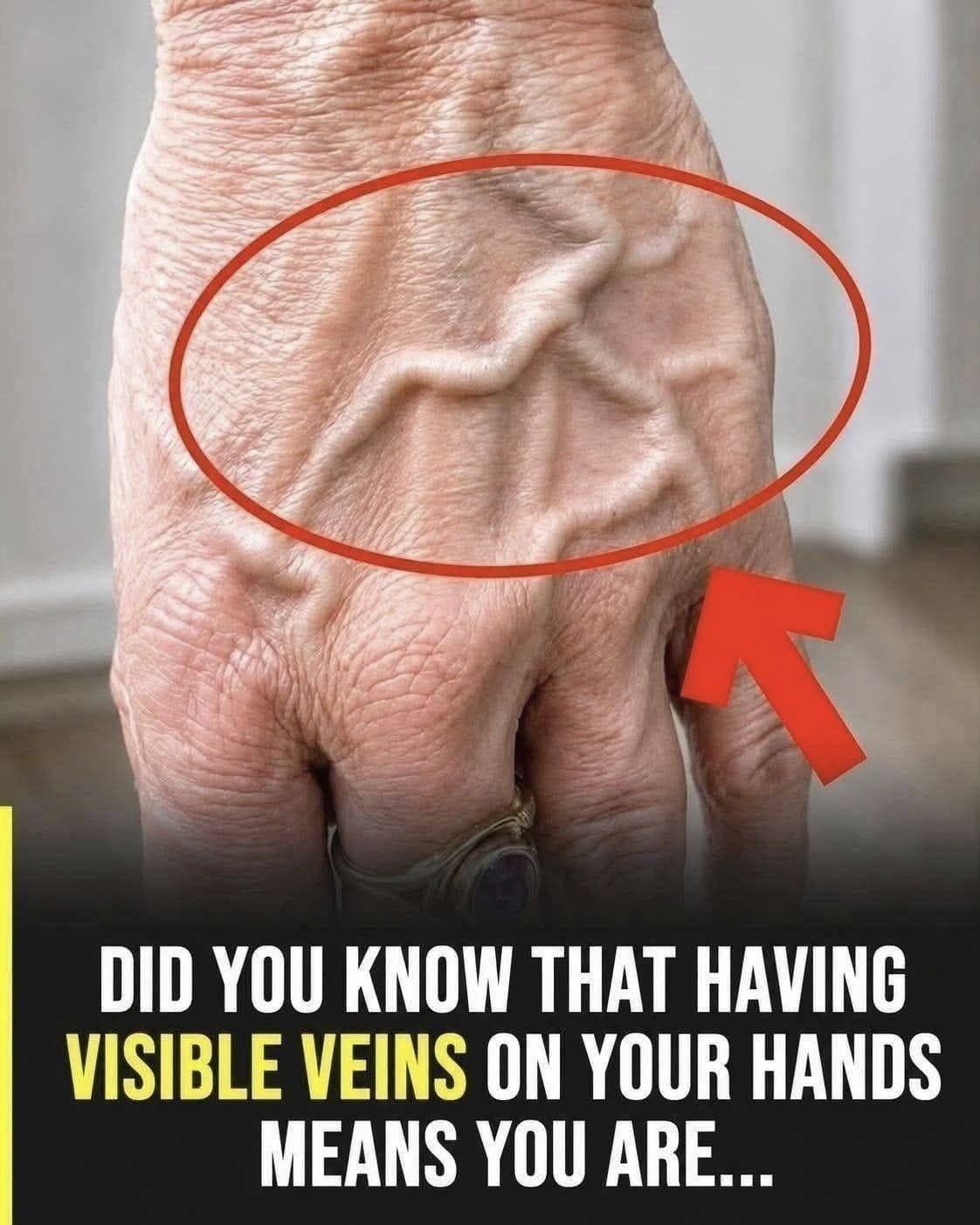
The idea that prominent or visible veins indicate a specific personality trait, superior fitness, or an underlying medical condition is a common topic online. Visibly distinct veins—especially on the arms, hands, legs, or feet—are usually just a reflection of normal human anatomy, physiology, and individual genetic traits.
What Visible Veins Actually Mean
1. Low Body Fat Percentage
Subcutaneous fat lies directly beneath the surface of the skin. When body fat levels decrease, the insulating layer of fat thinning out allows the veins underneath to become significantly more visible and distinct against the surrounding muscle.
2. High Vascularity from Exercise and Muscle Mass
Physical activity, particularly resistance training or intense cardio, increases blood flow throughout the circulatory system:
-
Vasodilation: During exercise, blood vessels widen to supply oxygen-rich blood to working tissues.
-
Transient Swelling: Muscles expand and push fluid into surrounding tissues during workouts, forcing veins upward against the skin barrier and creating a temporary or lasting “pumped” or vascular look.
3. Skin Tone and Thickness
-
Melanin & Pigment: Lighter or fairer skin naturally allows blue, green, or purplish vessel lines to show through more clearly due to contrast.
-
Skin Elasticity: As skin naturally thins over time or due to sun exposure, veins on the hands and forearms become noticeably more pronounced.
4. Genetics
Arterial and venous layout, blood vessel diameter, and skin density are largely hereditary traits. If your parents or relatives have prominent veins on their hands or legs, you are far more likely to possess them as well.
5. Heat and Hydration
-
Temperature Control: When your body gets warm, veins dilate (expand) to help release heat and regulate core temperature, making them appear swollen or bulging.
-
Hydration Status: Good hydration expands blood volume, keeping veins full and plump.
When Visible Veins Warrant Attention
While visible veins on the arms or hands are almost always harmless, sudden changes in the legs or specific symptoms should be monitored:
-
Varicose Veins: Swollen, twisted, or rope-like veins on the lower legs or ankles caused by weakened internal valve walls.
-
Associated Symptoms: Seek medical guidance if prominent veins are accompanied by persistent swelling, aching pain, localized warmth, redness, or skin discoloration.
