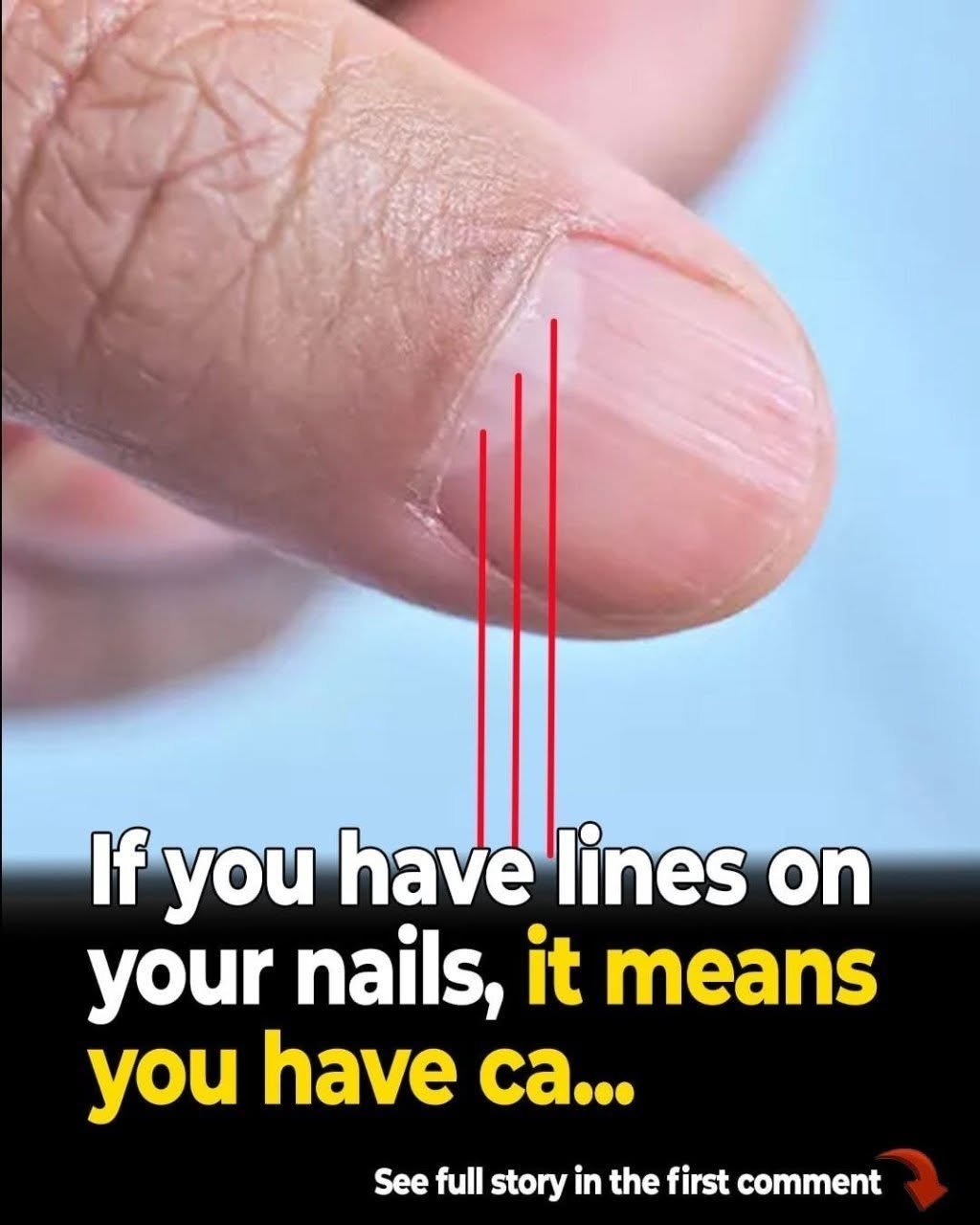
When sensational headlines claim that a “telltale sign in your fingernails” can predict your life expectancy, they are taking genuine medical observations about nail health and exaggerating them into clickbait fortune-telling.
While your fingernails can occasionally offer subtle clues about your overall systemic health, they do not hold a crystal ball for your lifespan.
What Fingernails Can (and Can’t) Tell Us
Your fingernails are made of keratin, and because they grow slowly from the nail matrix beneath your skin, changes in their color, texture, or shape can sometimes reflect underlying nutritional deficiencies, circulation issues, or chronic illnesses. However, these signs indicate specific health conditions—not an expiration date:
-
Clubbing (Curved, Enlarged Fingertips): When the tips of the fingers widen and the nails curve downward, it can indicate chronic low blood oxygen levels. Clinically, clubbing is associated with conditions like chronic obstructive pulmonary disease (COPD), heart defects, or lung cancer.
-
Terry’s Nails (White Nails with a Dark Band): When nails appear mostly white with a narrow pink or reddish band at the top, it can sometimes be a sign of underlying liver disease, congestive heart failure, or diabetes.
-
Beau’s Lines (Deep Horizontal Ridges): Grooves that run across the nail happen when nail growth is temporarily interrupted by a severe systemic stressor, such as a major infection, high fever, or severe nutritional deficiency weeks prior.
-
Pale or Spoon-Shaped Nails (Koilonychia): Thin, upward-curving nails can be a classic sign of iron-deficiency anemia.
Why Nail Signs Aren’t a “Life Expectancy” Tool
Nail changes are non-specific symptoms. A single visual quirk doesn’t automatically mean a person has a life-threatening condition, nor does having normal-looking nails guarantee perfect cardiovascular and systemic health.
If you notice persistent, unusual changes in your fingernails—such as unexplained clubbing, chronic discoloration, or sudden severe ridging—the appropriate response isn’t to calculate your lifespan based on a viral article. It is to mention it to a doctor, who can run proper blood tests or physical evaluations to check for underlying nutritional or medical issues.
