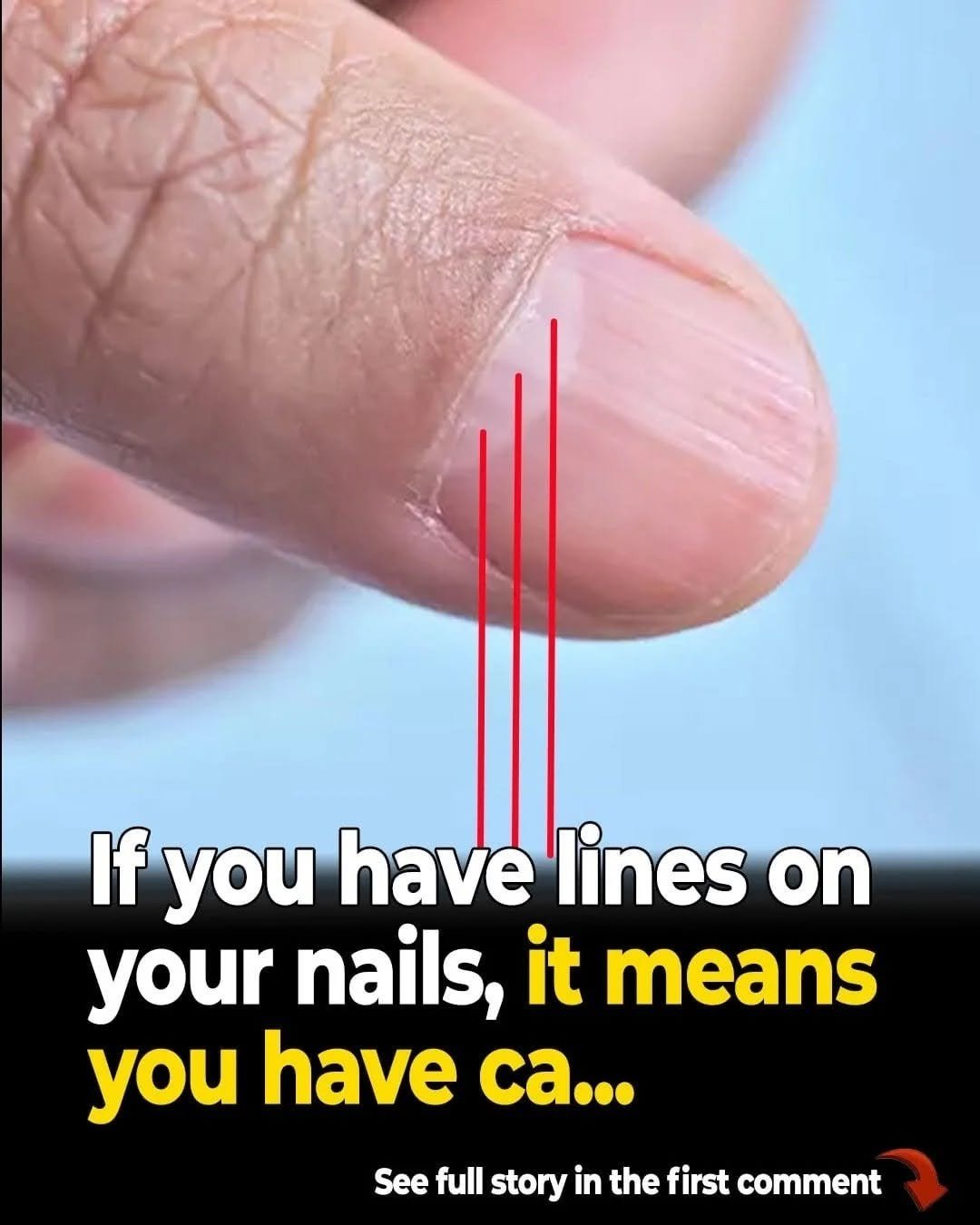
When health blogs and clickbait video feeds publish dramatic teasers like “Doctor Uncovers A Telltale Sign In Your Fingernails That May Predict Your Life Expectancy,” they are using a classic fear-based marketing formula. They want you to stare anxiously at your hands, convinced that a tiny white spot or a ridged nail is a countdown timer to your demise.
In clinical reality, fingernails can offer subtle clues about your general nutritional status or systemic health, but they are not mystical crystal balls that predict how long you will live.
What Fingernails Can (and Cannot) Tell Us
Your nails are made of keratin (a tough protein) and grow from the matrix beneath your cuticle. Because nail growth depends on a steady supply of nutrients and oxygen, significant changes in their shape, color, or texture can sometimes reflect underlying health conditions:
-
The Clinical Reality: Doctors do examine nails during routine physicals. Conditions like severe anemia, thyroid disorders, chronic liver or kidney disease, or circulatory issues can produce distinct nail changes (such as pale nail beds, extreme curvature, or spoon-shaped nails).
-
The Hype vs. Fact: Clickbait takes these genuine medical indicators and exaggerates them into sensationalist predictions, claiming that a simple cosmetic quirk means imminent doom.
What Clickbait “Nail Sign” Articles Misrepresent
Sensationalized wellness articles typically latch onto common, harmless nail variations:
-
Leukonychia (White Spots): Many people panic over small white spots on their nails, often told it means a calcium or zinc deficiency. In reality, these spots are almost always the result of minor, completely harmless trauma to the nail base (like bumping your finger against a desk weeks earlier) as the nail grew out.
-
Vertical Ridges: As people age, tiny vertical ridges running from the cuticle to the tip become completely normal—much like wrinkles on the skin. Clickbait articles frequently mislabel these normal aging changes as signs of severe internal disease.
True Nail Changes That Warrant a Doctor’s Visit
While everyday blemishes are harmless, clinicians do pay attention to specific, persistent nail changes that require evaluation:
-
Clubbing: When the fingertips widen and the nails curve downward around the fingertips like an inverted spoon. This can sometimes indicate chronic low oxygen levels associated with underlying pulmonary or cardiac conditions.
-
Terry’s Nails: When the majority of the nail turns white except for a narrow pinkish-red band at the tip, sometimes seen in association with liver or metabolic issues.
-
Splinter Hemorrhages: Tiny vertical reddish-brown lines under the nails that look like small splinters, which can sometimes signal vascular inflammation or minor trauma.
-
Dark Streaks (Subungual Melanoma): A new, dark vertical stripe under the nail that does not grow out with the nail plate should be evaluated promptly by a dermatologist to rule out skin cancer.
The Bottom Line
Your fingernails are a reflection of your everyday nutritional and physical health, not a fortune-teller for your life expectancy. If you notice persistent, dramatic changes in your nails—such as significant clubbing or unusual discoloration—bring it up at your next routine check-up rather than panicking over internet clickbait.
