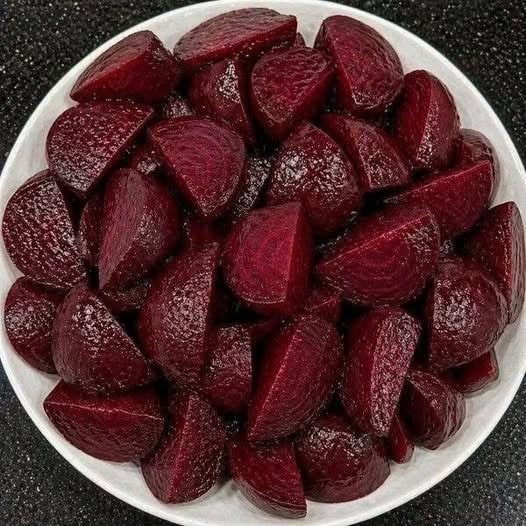
When sensationalized health articles and clickbait video titles flash breathless warnings like “Doctors reveal eating beets causes…”, they are banking entirely on a startling visual shock to drive panic and clicks.
Usually, the headline finishes with something alarming about your bodily fluids turning bright red or pink, transforming a completely normal, harmless physiological quirk into a terrifying mystery about internal bleeding.
What Clickbait “Beet Warnings” Get Wrong
-
Pathologizing a Harmless Pigment: Clickbait treats a normal, water-soluble plant pigment as if it were a toxic reaction or a sign of severe organ failure.
-
Fueling Unnecessary Medical Panic: Framing red-tinted urine or stool as a hidden pathology exploits people’s fears of conditions like hematuria (blood in the urine) or gastrointestinal bleeding.
The Clinical Reality: What Eating Beets Actually Causes
If you notice a pink, red, or even deep reddish-brown hue in your urine or stool after eating a heavy serving of roasted beets, fresh beet juice, or a salad, you are experiencing a well-documented, completely benign phenomenon known as beeturia.
Here is what is actually happening inside your body:
-
The Betalain Pigment: Beets get their rich, vibrant color from a family of natural antioxidants called betalains (specifically betanin).
-
Incomplete Breakdown: In about 10% to 14% of the population, these pigments are not entirely broken down by stomach acid or digestive enzymes in the upper gastrointestinal tract.
-
Filtration and Excretion: The intact pigment is absorbed into the bloodstream, filtered out by the kidneys, and excreted into the urine—or passed through to the lower bowel, which can impart a reddish tint to stool.
Why It Happens to Some People and Not Others
Not everyone experiences beeturia every time they eat beets. Several interacting factors influence whether the pigment makes it through your system intact:
-
Stomach Acid Levels: Higher gastric acidity helps break down betalains more thoroughly. Lower stomach acid can allow more pigment to pass through un-degraded.
-
Digestion Speed: The rate at which food moves through your digestive tract affects how much pigment is degraded by gut bacteria.
-
Iron Status: Clinical literature has occasionally noted a higher incidence of beeturia in individuals with low iron stores or iron-deficiency anemia, though the exact physiological link is still studied.
-
Concentration and Portion: Drinking concentrated raw beet juice or eating a large serving of beets makes beeturia significantly more likely than eating a few slices on a salad.
How to Tell Beeturia Apart From Real Medical Concerns
While beeturia itself requires no treatment and clears up within 24 to 48 hours once you stop eating beets, it is always smart to know the difference between a dietary color shift and a true medical issue:
-
Beeturia Characteristics: Painless, clear of other urinary symptoms (like burning or urgency), and directly linked in time to eating beets. The color typically fades within one to two days after you stop consuming them.
-
When to Consult a Physician: If red or pink urine occurs without having eaten beets, if the discoloration persists for more than 48 hours after stopping beets, or if it is accompanied by pain, burning, fever, or visible blood clots, you should see a healthcare professional to rule out urinary tract infections, kidney stones, or actual hematuria.
The Bottom Line
Eating beets causes a healthy dose of antioxidants, dietary fiber, and—for some people—a temporarily colorful surprise in the bathroom. Don’t let alarmist internet headlines turn a vibrant vegetable into an anxiety spiral.
