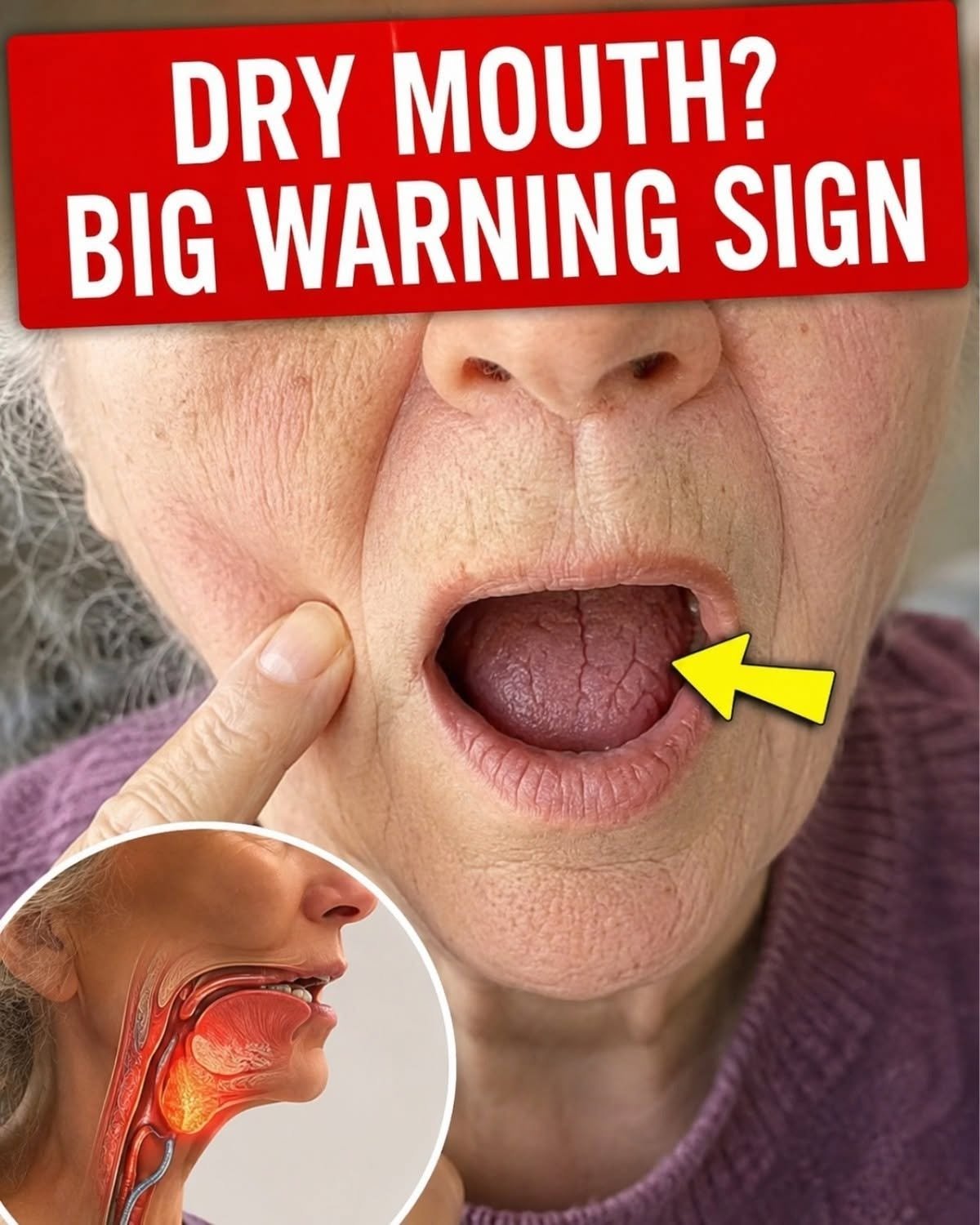
When sensationalized headlines declare that dry mouth is a sign of your saliva “shutting down,” it sounds like a sudden, alarming failure of your body’s plumbing. While chronic dry mouth (xerostomia) is certainly uncomfortable and deserves medical attention, it is rarely caused by your salivary glands simply quitting on their own.
Instead, dry mouth is almost always a downstream effect of something else happening in your body—most commonly medication side effects, dehydration, or systemic changes.
Here is the medical reality behind what actually causes dry mouth and why understanding the root cause matters:
Why Your Saliva Production Slows Down
Salivary glands are controlled by the autonomic nervous system. When moisture output drops, it is usually because one of the following factors is interfering with that neural signaling or fluid balance:
-
Medication Side Effects (The #1 Culprit)
-
Over 500 commonly prescribed medications—including blood pressure drugs (like diuretics and beta-blockers), antihistamines, antidepressants, and anxiety medications—have anticholinergic properties. These drugs block the chemical signals that tell your salivary glands to produce fluid, leaving your mouth feeling parched.
-
-
Age-Related Salivary Changes vs. Underlying Health
-
While aging itself does not inherently shut down your salivary glands, older adults are much more likely to take multiple medications (polypharmacy), making drug-induced dry mouth vastly more common in senior adults.
-
-
Subtle Chronic Dehydration
-
As we age, our natural sense of thirst becomes less acute. Mild, ongoing dehydration reduces overall body water volume, directly decreasing the watery secretions needed for robust saliva production.
-
-
Mouth Breathing and Sleep Apnea
-
If you snore or suffer from obstructive sleep apnea and breathe through your mouth all night, the constant airflow rapidly evaporates the saliva in your oral cavity, leading to severe morning dryness.
-
-
Systemic Conditions (Like Sjögren’s Syndrome)
-
In some cases, chronic dry mouth can be an autoimmune condition where the body’s immune system mistakenly targets moisture-producing glands (such as the salivary and tear glands).
-
Why Managing Dry Mouth Matters
Saliva is far more than just moisture—it is a critical protective fluid. It neutralizes acids, washes away food particles, remineralizes tooth enamel, and fights off oral bacteria. When saliva flow drops significantly, it can quickly lead to an increased risk of tooth decay, gum disease, mouth sores, and difficulty swallowing or speaking.
The Takeaway: If you or a loved one are dealing with persistent dry mouth, don’t assume it’s just an inevitable part of aging. A review of your current medication list with your doctor or pharmacist can often reveal a simple culprit—and adjusting a dose or switching to a salivary-friendly alternative can restore comfort.
