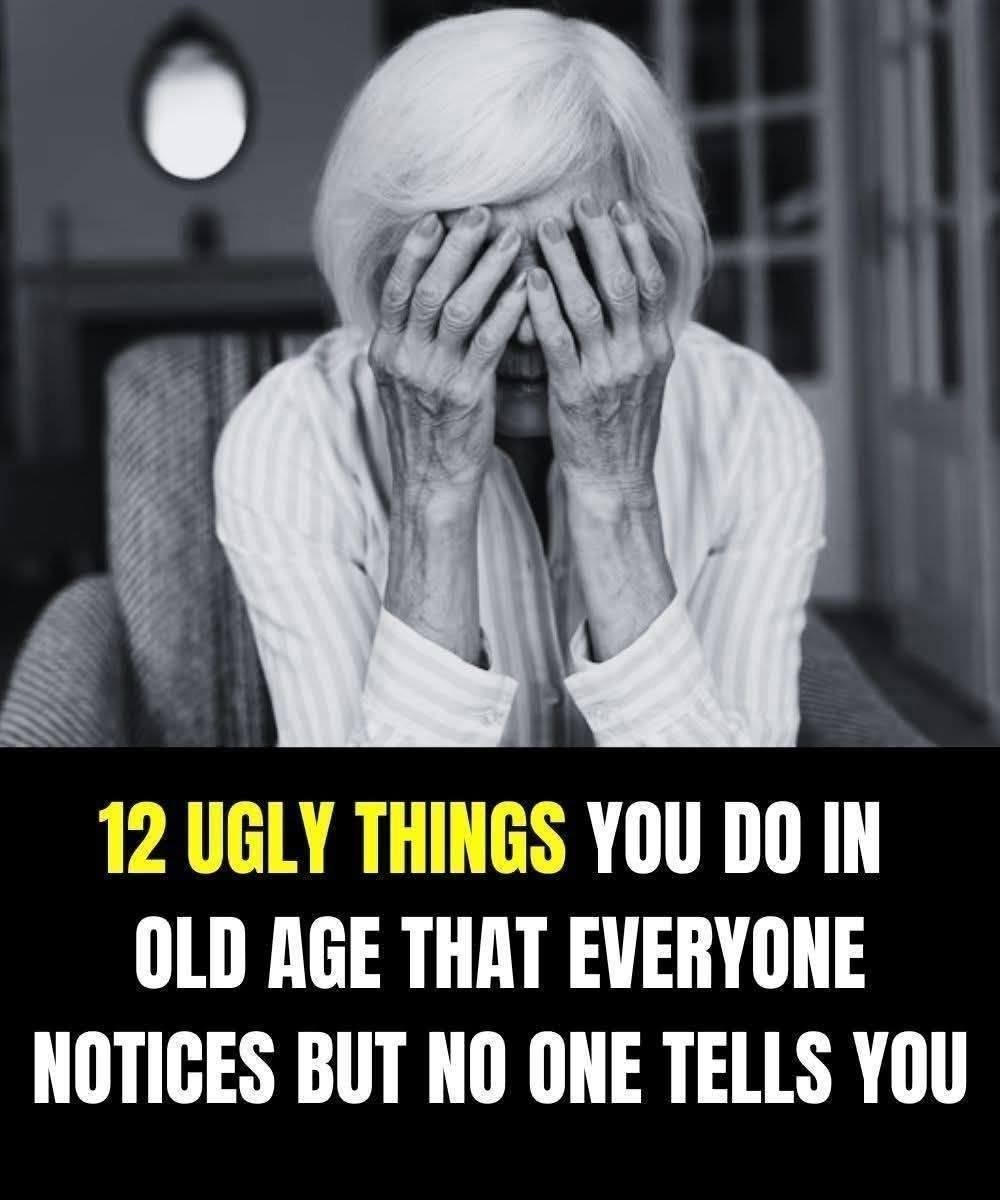
When sensationalized clickbait lifestyle articles scream about “12 nasty things you do in old age that everyone notices, but no one dares to tell you,” they are weaponizing universal anxieties about aging, bodily changes, and social judgment to harvest clicks.
This type of fear-mongering relies on humiliation and generational stereotyping rather than genuine, compassionate human insight. It takes normal physiological shifts that happen as we age—such as changes in sensory perception, metabolism, or mobility—and frames them as shameful personal failures.
The Reality Behind Aging and Hygiene
As people grow older, certain physical and sensory changes occur naturally. Understanding the actual biology behind these shifts removes the stigma and replaces it with practical, respectful care:
-
Sensory Adaptation (The Olfactory Shift): As we age, our sense of smell and taste naturally decline (a condition called presbyosmia). Someone might not realize their home has a distinct scent, or that they are wearing stronger perfume or cologne, simply because their own olfactory receptors aren’t picking it up the way they used to. It isn’t a lack of caring; it’s a sensory change.
-
Skin, Oil, and Metabolism Changes: Aging skin produces less natural oil, leading to dryness, but body chemistry and skin microflora also shift over time (including changes in compounds like 2-nonenal, a naturally occurring molecule associated with skin aging that can produce a faint, distinct odor). Combined with changes in bathing habits due to mobility limitations, maintaining routine hygiene can sometimes require extra adjustments.
-
Mobility and Home Maintenance: Keeping up with deep cleaning, laundry, and home maintenance becomes physically exhausting or difficult with arthritis, joint stiffness, or fatigue. A cluttered or untidy home in later years is usually a sign of physical barriers, not laziness.
Approaching Aging with Empathy, Not Judgment
Instead of whispering behind people’s backs or clicking on cruel lists designed to mock older adults, a supportive community focuses on dignity, practical assistance, and open communication. If an older family member or friend is struggling with personal care or home upkeep, the solution is never public shaming—it’s offering gentle, respectful help, supportive bathroom modifications, or assistance with household chores.
Aging is a universal human experience, not a social faux pas. Treating it with empathy and practical support beats internet cruelty every single time.
