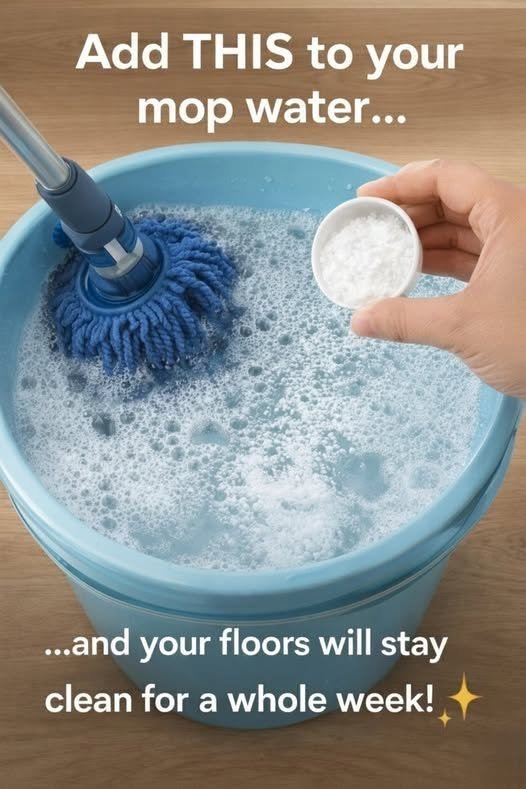
When viral home-cleaning blogs tease a miraculous “floor trick” that changes everything, they are banking on the universal dread of scrubbing stubborn tile grout or wrestling with old mop buckets.
While most internet cleaning hacks are overhyped gimmicks, the underlying philosophy of this specific trend—shifting away from soaking floors in soapy residue and moving toward controlled moisture and targeted surfactants—actually has solid chemistry behind it.
The Real Problem With Traditional Floor Cleaning
Most people make two fundamental mistakes when cleaning hard floors:
-
The “More Soap = Cleaner Floor” Trap: Dousing floors in heavily scented multi-purpose cleaners leaves behind a sticky, microscopic film. That residue acts like a magnet for fresh dust and dirt, making your floors look dull and dirty again within days.
-
Flooding the Floor: Dumping gallons of water on hardwood, laminate, or even unsealed tile grout forces moisture into microscopic seams, warping wood and degrading adhesives.
The Floor Trick That Actually Works
The secret behind these viral cleaning reveals isn’t a proprietary chemical formula; it’s a shift in technique and surfactant science:
-
Hot Water + A Drop of Dish Soap (or Minimal Cleaner): You only need a fraction of a drop of surfactant (like dish soap) to break the surface tension of water and lift oils. Diluting it heavily in hot water prevents any sticky film from forming.
-
The Microfiber Pad Method: Instead of sloshing a dirty cotton mop around, using a flat microfiber mop head allows the fibers to physically trap particulate matter and absorb oils rather than just pushing dirty water across the room.
-
The “Mist and Buff” Approach: Spraying a fine mist directly onto the floor section-by-section (rather than soaking the entire room) gives you absolute control over moisture, protecting your baseboards and subfloors.
Skip the overpriced, viral “miracle” cleaning solutions. Understanding surfactant dilution and proper moisture control is all it takes to get floors that actually stay clean longer.
