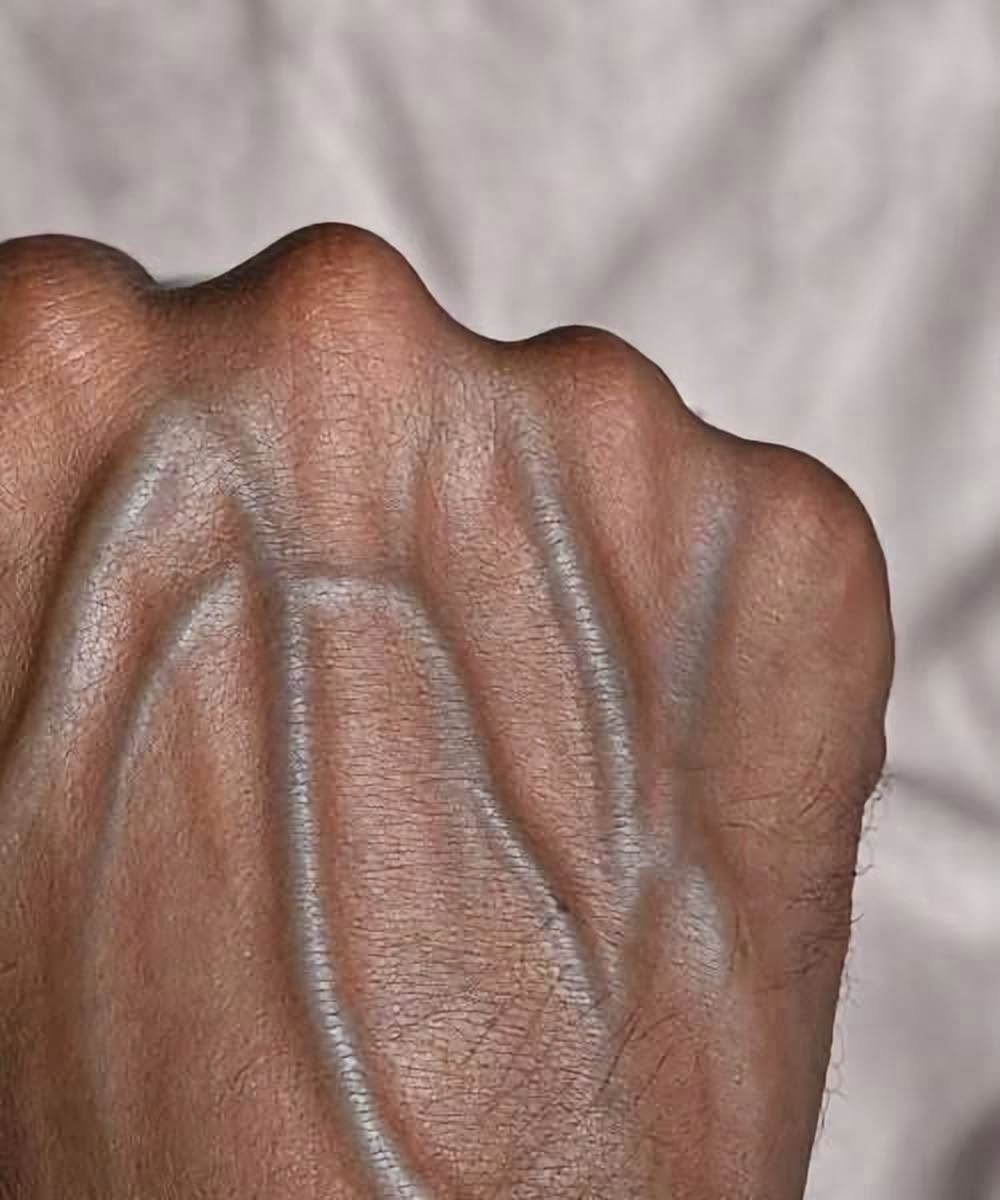
When sensationalized health content or viral videos flash alarming headlines like “If your veins are visible in your hand, it is a signal of…”—often trailing off into terrifying claims about hidden internal toxicity, organ stress, or severe disease—they take a completely normal human anatomical feature and weaponize it for clicks.
By framing standard physical traits as a hidden medical emergency, these hooks monetize anxiety rather than offering actual clinical context.
What Clickbait “Veiny Hands” Myths Get Wrong
-
The “Pathological Panic” Fallacy: Clickbait treats basic human biology as a sign of internal catastrophe, ignoring the fact that visible superficial veins are a standard part of physical anatomy for millions of healthy people.
-
Ignoring Localized Tissue Structure: Viral warnings pretend that hands have the same thick layer of subcutaneous fat as other parts of the body, completely overlooking how skin and tissue are distributed across the back of the hand.
The Anatomical and Clinical Reality: Why Hands Look Veiny
Dermatologists, anatomists, and vascular specialists evaluate visible hand veins through a grounded, evidence-based lens:
-
The Unique Anatomy of the Dorsal Hand: The back (dorsal surface) of the human hand naturally holds almost no subcutaneous fat. Because there is very little tissue padding between the skin and the underlying superficial venous network, those blood vessels are inherently closer to the surface.
-
Normal, Benign Drivers of Prominence:
-
Aging and Collagen Loss: As skin naturally thins and loses elasticity over decades, the dermal layer provides less visual “cushioning,” making underlying veins easier to see.
-
Genetics and Body Composition: Inherited skin thickness and lower overall body fat percentages mean some people naturally have more visible hand veins from youth onward.
-
Temperature and Physical Exertion: Heat causes blood vessels to dilate (vasodilation) to help the body cool down, while exercise temporarily increases blood flow and muscle volume, pushing superficial veins closer to the skin.
-
-
When Vein Changes Actually Warrant Attention: While baseline hand veins are harmless, certain sudden changes can signal localized vascular conditions (such as superficial phlebitis or localized clotting). Red flags include sudden swelling in one hand, persistent pain or tenderness along a vein, skin discoloration, or a vein that feels hard, warm, and cord-like to the touch.
The Bottom Line
Visible veins in your hands are not a secret signal of toxicity or systemic disease—they are a normal anatomical reality driven by genetics, thin skin, low body fat, or temperature changes. Skip the alarmist health clickbait, and consult a physician only if you experience sudden pain, swelling, or localized hardening in a vein.
