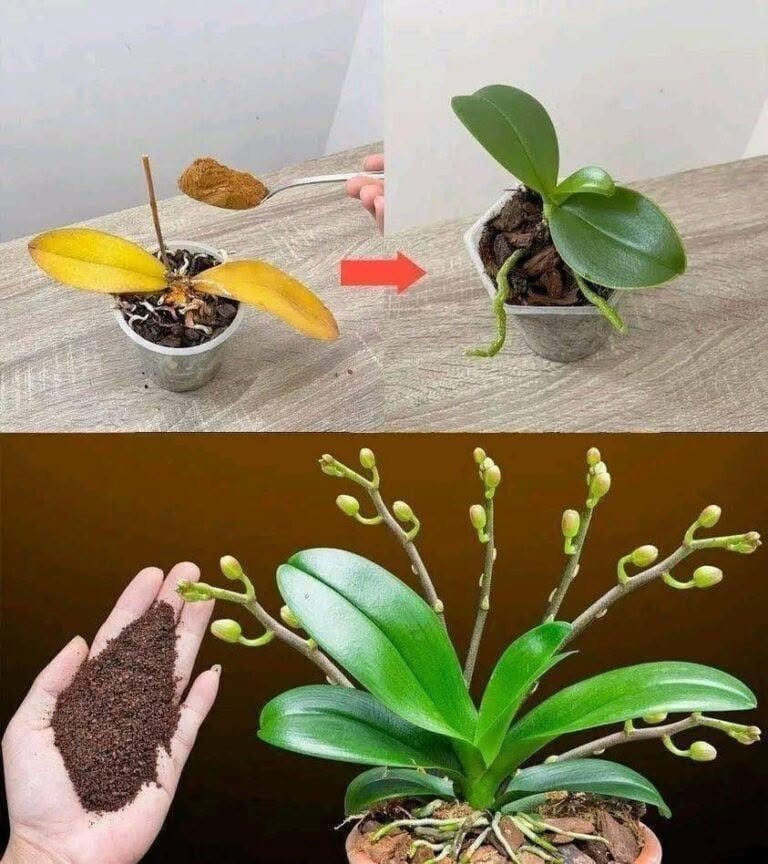
When sensationalized gardening articles promise that pouring “just a teaspoon” of a secret kitchen ingredient—like cinnamon, sugar, rice water, or coffee grounds—will instantly force an orchid into a miraculous explosion of blooms, they are selling horticultural snake oil.
Orchids are stunning, elegant, and notoriously misunderstood houseplants. While they do have specific care requirements, they do not respond to overnight magical elixirs. Getting an orchid to rebloom depends entirely on understanding its natural biology and providing consistent, proper care.
The Reality of Orchid Blooming Triggers
In the wild, most popular indoor orchids (like Phalaenopsis, or moth orchids) grow clinging to the bark of trees in tropical rainforests, where they experience specific seasonal shifts in temperature, light, and moisture. They bloom when their environmental needs are met, not because they received a mystery spoonful of pantry scraps.
-
Light is the Primary Driver: The single most common reason an orchid fails to rebloom is insufficient light. They need bright, indirect light—typically a spot near an east- or bright-south-facing window filtered through a sheer curtain. Without enough energy from light, they will happily grow green leaves indefinitely but never produce a flower spike.
-
Temperature Drops Signal the Season: For many common orchids, a slight, natural drop in nighttime temperatures (about 10 to 15 degrees cooler than daytime) over a few weeks in the fall or winter acts as the biological trigger that tells the plant it is time to push out a flower spike.
-
Watering and Root Health: Orchids are epiphytes, meaning their roots need airflow. Planting them in dense garden soil or letting them sit in standing water causes root rot. They thrive on a “soak and dry” method where their bark medium dries out almost completely between waterings.
What Actually Helps Orchids Bloom (No Magic Required)
If your orchid has stopped flowering and is just sitting there with green leaves, skip the viral kitchen tricks and focus on these fundamentals:
-
Optimize Light and Location: Move your orchid to a brighter spot if it has been sitting in a dim corner.
-
Feed Dilutely: Use a specialized, balanced orchid fertilizer diluted to quarter-strength during their active growing season (spring and summer), rather than relying on random household concoctions that can upset the pH of the potting medium or attract pests like fungus gnats.
-
Be Patient: Once an orchid initiates a flower spike, it takes several weeks for the buds to develop and open. Nature moves at its own pace, and good care always wins out over miracle hacks.
