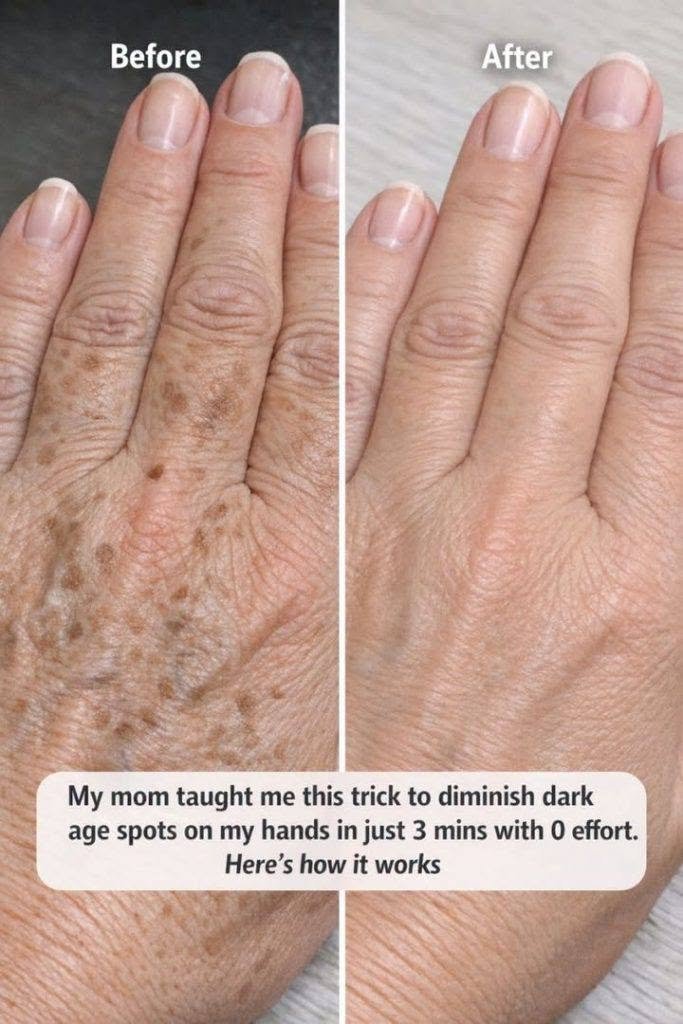
When clickbait lifestyle blogs promise a “3-minute, zero-effort trick to diminish dark age spots on your hands,” they are banking on the universal desire for a quick, effortless cosmetic fix. They often package aggressive chemical bleaching agents, random kitchen abrasives (like lemon juice and baking soda), or viral skincare hacks as secret grandmother wisdom.
While aging hands do accumulate hyperpigmentation over time, skin biology doesn’t rewrite itself in three minutes. Understanding what age spots actually are—and how melanin production works—helps separate harmless cosmetic marketing from effective, skin-safe care.
What “Age Spots” Actually Are
Medically known as solar lentigines (or commonly called liver spots, though they have nothing to do with the liver), these flat, tan, brown, or black spots are not caused by aging organs or toxins. They are the direct result of cumulative ultraviolet (UV) radiation exposure over the years:
-
Melanin Overproduction: Melanocytes are the specialized cells in your epidermis responsible for producing melanin, the pigment that gives skin its color. When exposed to decades of UV sunlight, these cells in frequently exposed areas like the backs of the hands can become overactive, clustering pigment in localized patches.
-
Benign Nature: Solar lentigines are completely harmless and non-cancerous. However, because new or changing spots can occasionally mimic forms of skin cancer (like lentigo maligna melanoma), any spot that changes rapidly, bleeds, or looks asymmetrical deserves a clinical check.
What Quick-Fix “Tricks” Get Wrong
Sensationalized hacks usually rely on immediate optical illusions or mild skin irritation rather than true pigment reduction:
-
Harsh Kitchen Abrasives: Scrubbing hands with lemon juice, baking soda, or undiluted apple cider vinegar might temporarily strip away the outermost layer of dead skin cells (exfoliation), making skin look briefly brighter, but it does nothing to stop underlying melanin production and often causes contact dermatitis or chemical irritation.
-
Instant Eraser Myths: Topical pigments cannot be dissolved or bleached away in minutes. Melanin sits deeper in the epidermis, and fading it requires either blocking new pigment formation or gently encouraging cellular turnover over weeks and months.
Evidence-Based Ways to Manage Hand Pigmentation
If you want to genuinely minimize the appearance of age spots on your hands, dermatological science points to a few consistent, long-term strategies:
-
Daily Broad-Spectrum Sunscreen (The Most Critical Step): Hands are constantly exposed to UV rays while driving, walking outdoors, or washing dishes. Applying a broad-spectrum SPF 30+ sunscreen to the backs of your hands daily prevents existing spots from darkening and stops new ones from forming.
-
Topical Brightening Agents: Ingredients like vitamin C, niacinamide, alpha arbutin, or gentle retinoids help inhibit melanin synthesis and accelerate cell turnover over several weeks of consistent use.
-
Dermatological Procedures: For stubborn spots, in-office treatments such as cryotherapy (freezing), Q-switched lasers, or chemical peels offer rapid, targeted removal by safely destroying excess pigment cells.
The Bottom Line
There is no 3-minute miracle cure for sun-induced pigmentation. The secret to keeping the skin on your hands looking clear isn’t a quick kitchen hack—it is rigorous, daily sun protection combined with patience.
