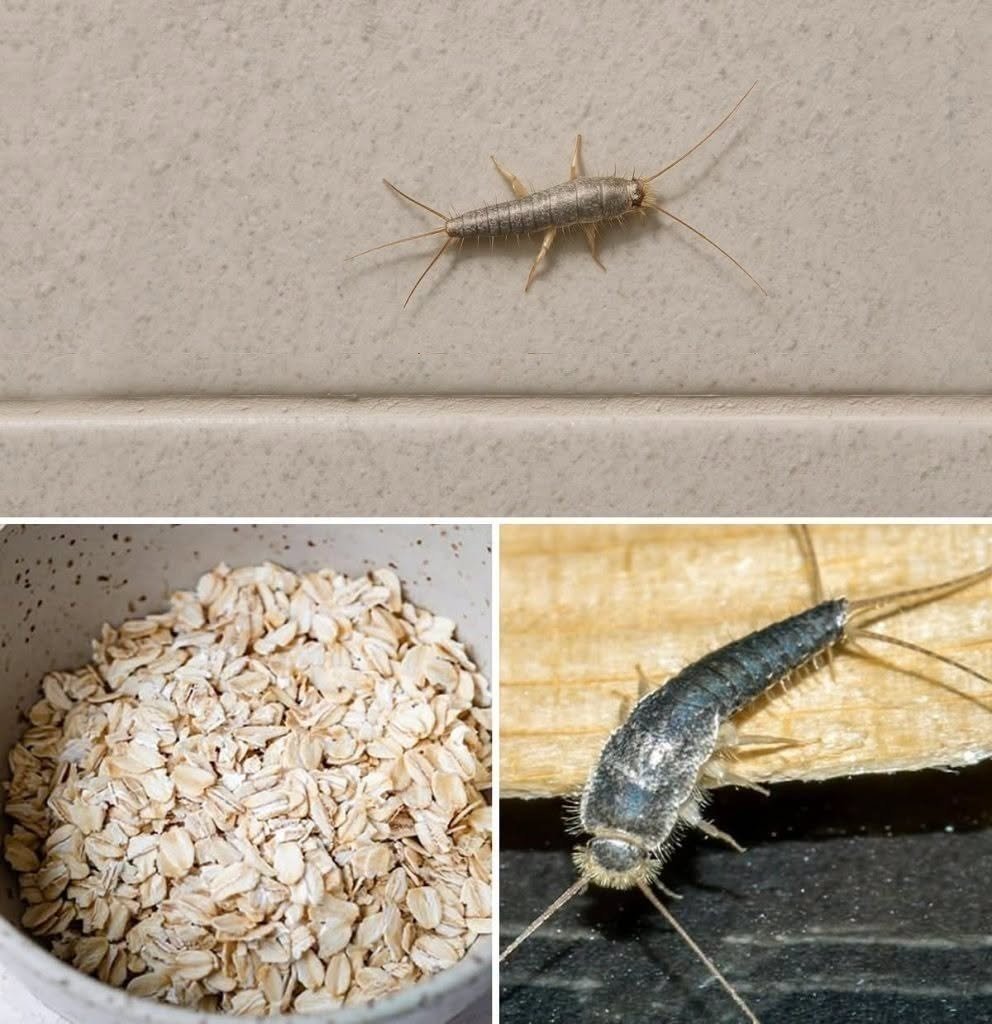
When clickbait articles scream, “Warning! If you have found this insect (silverfish) in your home, it’s a sign that you need to…”, they are using classic fear-mongering to make a tiny, harmless, primitive insect sound like a biological weapon that is actively destroying your foundation.
Silverfish are ancient wingless insects (they’ve been around longer than dinosaurs) that love dark, damp spaces. Finding one scuttling across your bathroom floor at night can give you a start, but it is not a structural emergency or a sign of an impending home disaster.
The Real Truth About Silverfish
-
What They Actually Want: Silverfish are hunting for moisture and starches. They thrive in humidity levels above 70% and feed on materials containing carbohydrates and proteins, such as paper, glue in bookbindings, wallpaper paste, and occasionally cotton or linen textiles.
-
What They Don’t Do: They do not bite humans, they do not sting, they do not transmit diseases, and they do not carry venom. They are purely nuisance pests.
-
Why You See Them: You are most likely to spot them in bathrooms, basements, or laundry rooms because those areas offer the dampness and dark hiding spots they crave.
How to Actually Handle Silverfish
Instead of panicking or buying expensive chemical foggers promoted by clickbait sites, managing silverfish comes down to basic environmental control:
-
Lower the Humidity: Run an exhaust fan during and after showers, use a dehumidifier in damp basements, and fix any leaky plumbing under sinks.
-
Eliminate Their Food Sources: Store old books, important documents, and paperwork in plastic storage bins rather than cardboard boxes on damp basement floors.
-
Seal Cracks and Crevices: Caulk gaps along baseboards and window frames where they might sneak in from the outside.
Finding a silverfish simply means your home has a humid spot or a cozy dark corner—it’s an invitation to tidy up your moisture levels, not a reason to panic.
