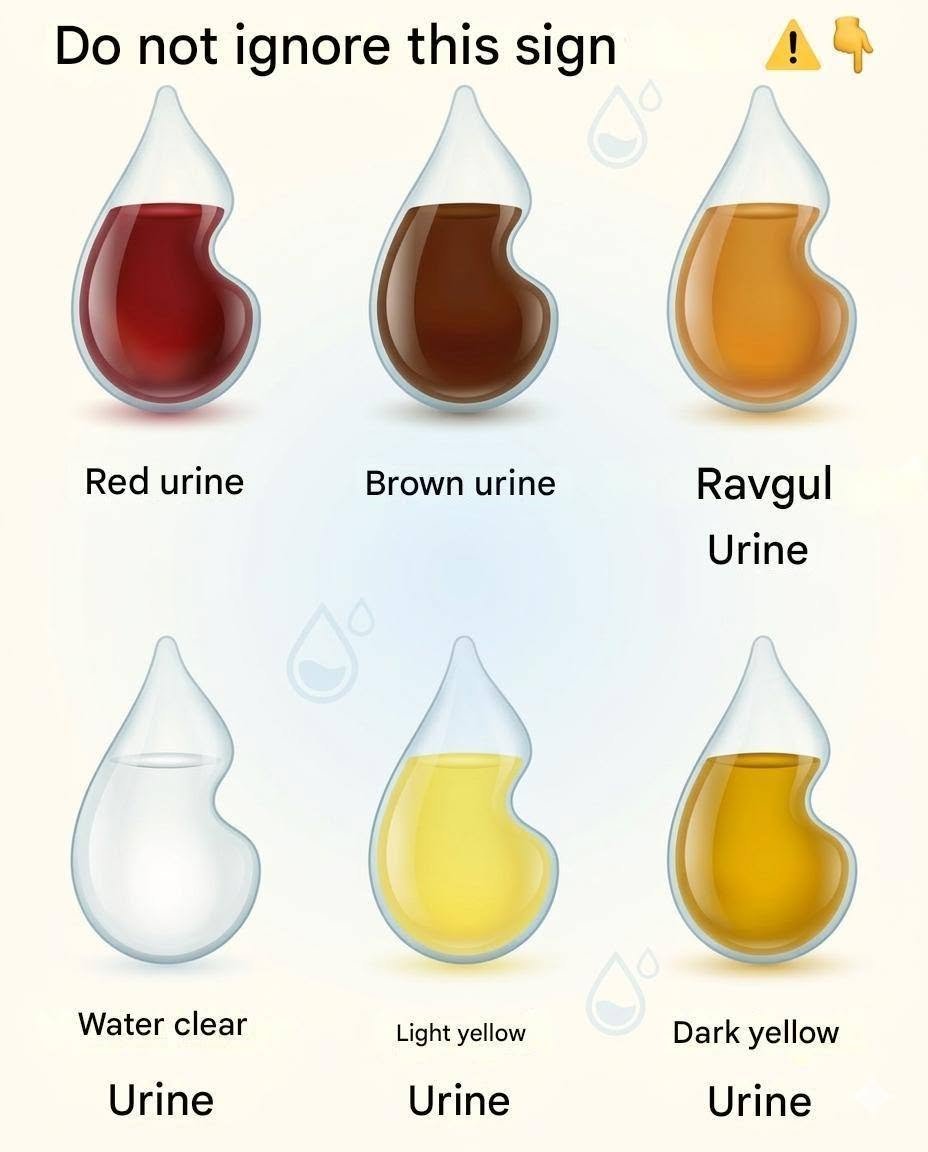
When clickbait health articles obsess over the color of your urine, they usually try to scare you with breathless warnings that a slightly unusual shade means your organs are failing or you have a rare tropical disease.
The reality is much more straightforward: your urine color is primarily a real-time report card on your hydration status, occasionally influenced by what you ate, what vitamins you took, or certain medications.
The Urine Color Spectrum (And What It Actually Means)
-
Pale Yellow to Transparent Straw: This is the gold standard. It means you are well-hydrated. The pale yellow color comes from urobilin (a biochemical byproduct created when your body breaks down old red blood cells), which is properly diluted by fluids.
-
Dark Amber or Honey-Colored: This is your body’s classic sign of dehydration. When you aren’t drinking enough fluids, your kidneys conserve water, making your urine much more concentrated and intensely yellow. A few glasses of water usually fixes this right away.
-
Bright Neon Yellow: If your urine looks like highlighter fluid, don’t panic. This is almost always caused by taking a standard B-complex multivitamin. Excess water-soluble vitamins (specifically riboflavin, or Vitamin B2) cannot be stored by the body, so your kidneys simply flush the excess out, turning your urine a vivid yellow-green.
-
Pink, Red, or Reddish-Brown: While this can sometimes indicate blood in the urine (which warrants a doctor’s visit), it is very frequently harmless and diet-driven. Eating beets, blackberries, rhubarb, or food dye can easily tint your urine pink or red.
-
Brown or Cola-Colored: If you haven’t been eating dark foods or taking specific medications, very dark brown urine can indicate severe dehydration, liver issues, or extreme muscle breakdown from overexertion. If it persists alongside pale stools or yellowing skin, it’s worth a clinical evaluation.
When to Actually Pay Attention
Occasional shifts in urine color based on your water intake, morning dehydration, or your latest meal are completely normal. However, you should consult a doctor if your urine is persistently red, brown, or cloudy, or if abnormal color is accompanied by pain, burning, fever, or unexplained swelling. Otherwise, let your body’s built-in gauge guide you: if it’s dark, reach for a glass of water.
