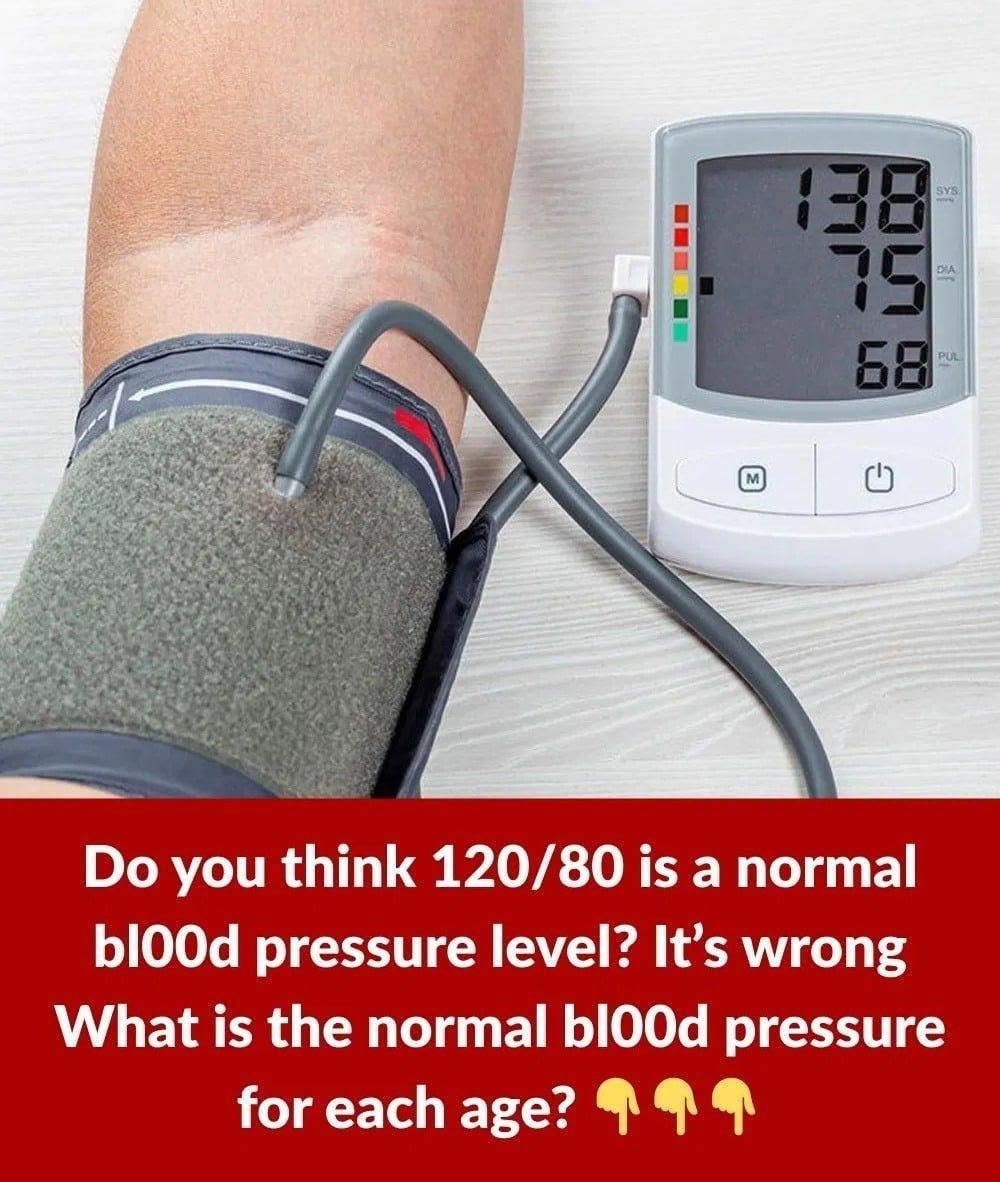
Blood pressure naturally changes as we age because blood vessels and arteries gradually lose their elasticity and become stiffer over time. Because of this physiological shift, the definition of a “normal” or healthy blood pressure reading shifts slightly across different life stages.
It is important to look at the two numbers in a reading: systolic (the top number, measuring pressure when the heart beats) and diastolic (the bottom number, measuring pressure when the heart rests between beats).
Here is how normal blood pressure breaks down across age groups:
1. Young Adults (Ages 18 to 39)
-
Normal Range: Less than 120/80 mmHg
-
Context: In early adulthood, ideal blood pressure is consistently below 120/80 mmHg. Routine monitoring is still important, as lifestyle factors, stress, and family history can cause hypertension to develop early in life, even without noticeable symptoms.
2. Middle-Aged Adults (Ages 40 to 59)
-
Normal Range: Around 120–129 / less than 80 mmHg (Elevated) to 130/80 mmHg
-
Context: During these decades, arterial walls begin to stiffen due to natural aging, plaque buildup, or lifestyle factors. A reading up to 129 systolic is often still categorized as normal or slightly elevated, but readings consistently at or above 130/80 mmHg are generally classified as Stage 1 hypertension, signaling a need for lifestyle adjustments or medical consultation.
3. Older Adults (Ages 60 and Older)
-
Normal Range: Less than 130/80 to 140/90 mmHg (Depending on health guidelines and individual tolerance)
-
Context: For older adults, blood pressure targets are sometimes individualized. While a reading under 120/80 mmHg remains optimal, many physicians accept a target of less than 130/80 mmHg for healthy older adults. For frail seniors or those with severe cardiovascular disease or orthostatic hypotension (dizziness when standing), a slightly higher threshold (such as under 140/90 mmHg) may be targeted to prevent dizziness, fainting, or falls caused by over-medication.
Understanding the Categories (AHA Guidelines)
-
Normal: Less than 120 / less than 80 mmHg
-
Elevated: 120–129 / less than 80 mmHg
-
Stage 1 Hypertension: 130–139 / 80–89 mmHg
-
Stage 2 Hypertension: 140 or higher / 90 or higher mmHg
-
Hypertensive Crisis (Seek Emergency Care): Higher than 180 / higher than 120 mmHg (with symptoms like chest pain, shortness of breath, or sudden neurological changes).
Why Blood Pressure Varies Daily
It is completely normal for blood pressure to fluctuate throughout the day based on your activity level, stress, caffeine intake, temperature, and even the posture you are in when measured. A single high reading is rarely a cause for alarm—doctors look for patterns across multiple measurements taken at rest over a period of weeks.
