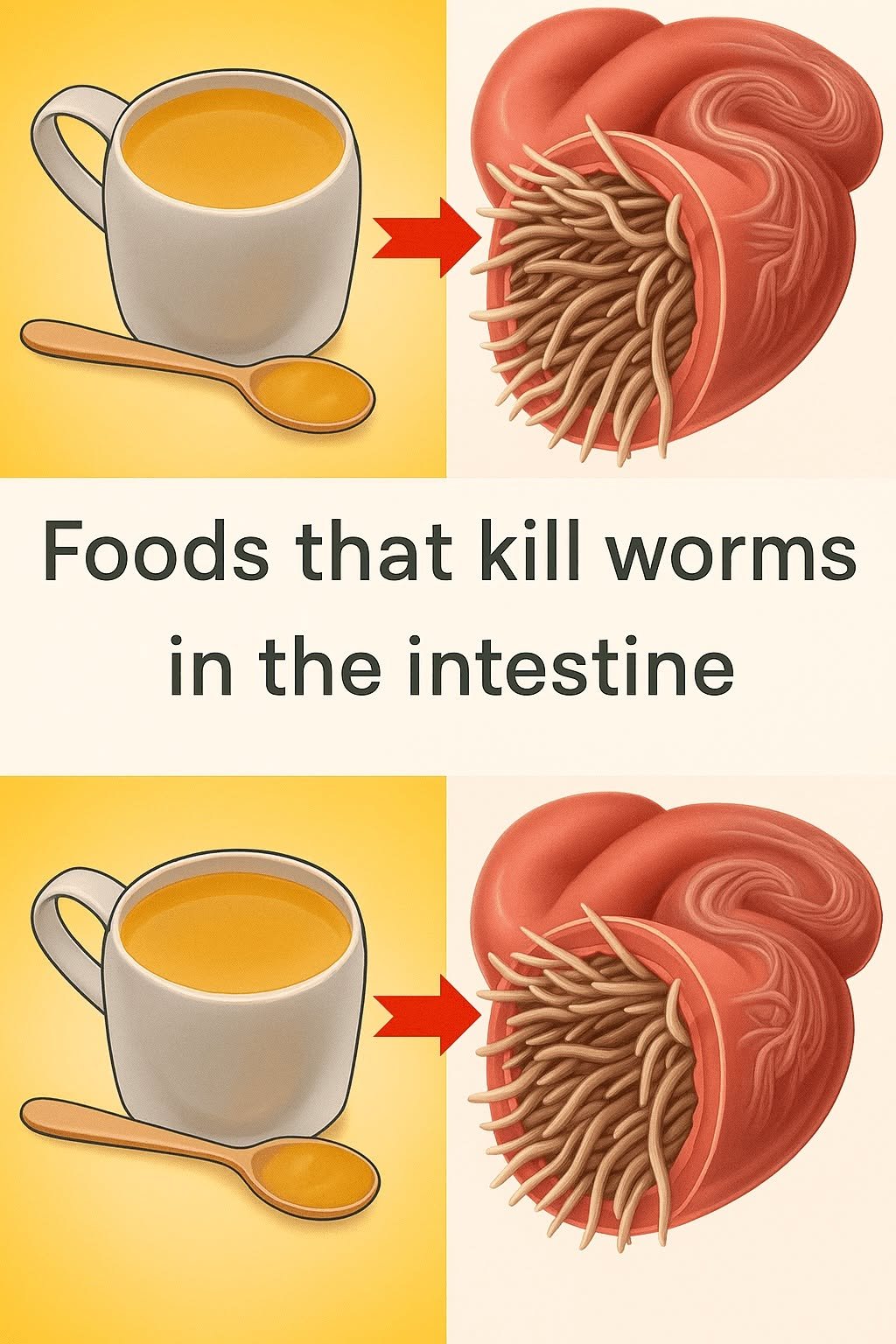
While severe or persistent intestinal parasite infections require medical diagnosis and prescription antiparasitic medications (such as albendazole or mebendazole), several traditional, nutrient-dense foods contain active natural compounds—such as enzyme enzymes, essential oils, and bioactive sulfur—that exhibit natural vermifuge (worm-expelling) or antiparasitic properties.
Incorporating these functional whole foods into your diet supports overall digestive health and creates an inhospitable environment for intestinal parasites:
1. Raw Pumpkin Seeds (Curbita pepo)
-
The Active Compound: Cucurbitacin
-
How It Works: Raw pumpkin seeds are rich in cucurbitacin, an amino acid derivative known to temporarily paralyze intestinal worms (such as tapeworms and roundworms). When paralyzed, the parasites lose their grip on the intestinal wall, allowing the body’s natural digestive motility to expel them through normal bowel movements.
-
Best Usage: Consume a small handful of raw, unsalted, unpeeled pumpkin seeds on an empty stomach, followed by plenty of water.
2. Raw Fresh Garlic (Allium sativum)
-
The Active Compound: Allicin and organosulfur compounds
-
How It Works: Freshly crushed garlic releases allicin, a potent antimicrobial and antiparasitic compound. Research shows that allicin destroys the cellular structures of parasitic protozoa and inhibits their ability to reproduce and adhere to the intestinal lining.
-
Best Usage: Crush 1 to 2 raw garlic cloves and let them sit for 10 minutes (to allow maximum allicin formation) before consuming, or blend into a fresh dressing.
3. Raw Papaya Seeds and Fruit
-
The Active Compound: Carpaine and Papain
-
How It Works: Papaya seeds contain a unique plant alkaloid called carpaine along with papain, a proteolytic (protein-digesting) enzyme. Together, these enzymes help break down the protective outer protein coating of intestinal worms and dissolve parasite egg membranes.
-
Best Usage: Blending a teaspoon of fresh, peppery raw papaya seeds into a fruit smoothie is a classic traditional dietary remedy across tropical regions.
4. Raw Carrots
-
The Active Compound: Dietary Fiber and Beta-Carotene
-
How It Works: Carrots are dense in coarse, insoluble fiber. Finely shredded raw carrots act as a gentle physical “scrubber” as they pass through the digestive tract, sweeping out mucus, digestive debris, and unattached parasites or eggs from the intestinal walls.
-
Best Usage: Eat 1 cup of finely grated raw carrots on an empty stomach in the morning or between meals.
5. Raw Coconut Oil and Dried Coconut
-
The Active Compound: Lauric Acid and Caprylic Acid
-
How It Works: Medium-chain fatty acids (MCFAs) like lauric acid and caprylic acid break down the lipid membranes of parasitic protozoa and harmful gut organisms, inhibiting their proliferation and promoting gut mucosal healing.
-
Best Usage: Incorporating 1 to 2 tablespoons of unrefined, cold-pressed virgin coconut oil or shredded unsweetened dried coconut into meals.
6. Raw Unfiltered Apple Cider Vinegar
-
The Active Compound: Acetic Acid
-
How It Works: Parasites thrive in sluggish, overly alkaline or unbalanced digestive environments. The acetic acid in raw apple cider vinegar helps restore healthy stomach acid (hydrochloric acid) levels, which serves as your body’s primary barrier to sterilizing incoming food and rendering the gut inhospitable to harmful microbes.
-
Best Usage: Mix 1 tablespoon of raw, unfiltered apple cider vinegar into a glass of warm water and drink 15 to 20 minutes before meals.
7. Pomegranate Peels and Seeds
-
The Active Compound: Punicalagins and Punicic Acid
-
How It Works: Pomegranate rinds and seeds are loaded with dense polyphenols and astringent tannins that exert natural anthelmintic effects, helping to dislodge intestinal organisms and soothe inflammatory lining damage caused by gut microbes.
-
Best Usage: Enjoy fresh pomegranate seeds, or steep clean dried pomegranate peel in hot water as an astringent herbal tea.
Important Medical Note
If you suspect you or a family member have an active intestinal parasite infection (evidenced by symptoms like unexplained weight loss, chronic diarrhea, severe abdominal pain, blood in the stool, or visible worms), always consult a healthcare professional for proper stool diagnostic testing. These functional foods serve as supportive dietary habits, not a complete replacement for clinical antiparasitic treatment when an active infection is present.
