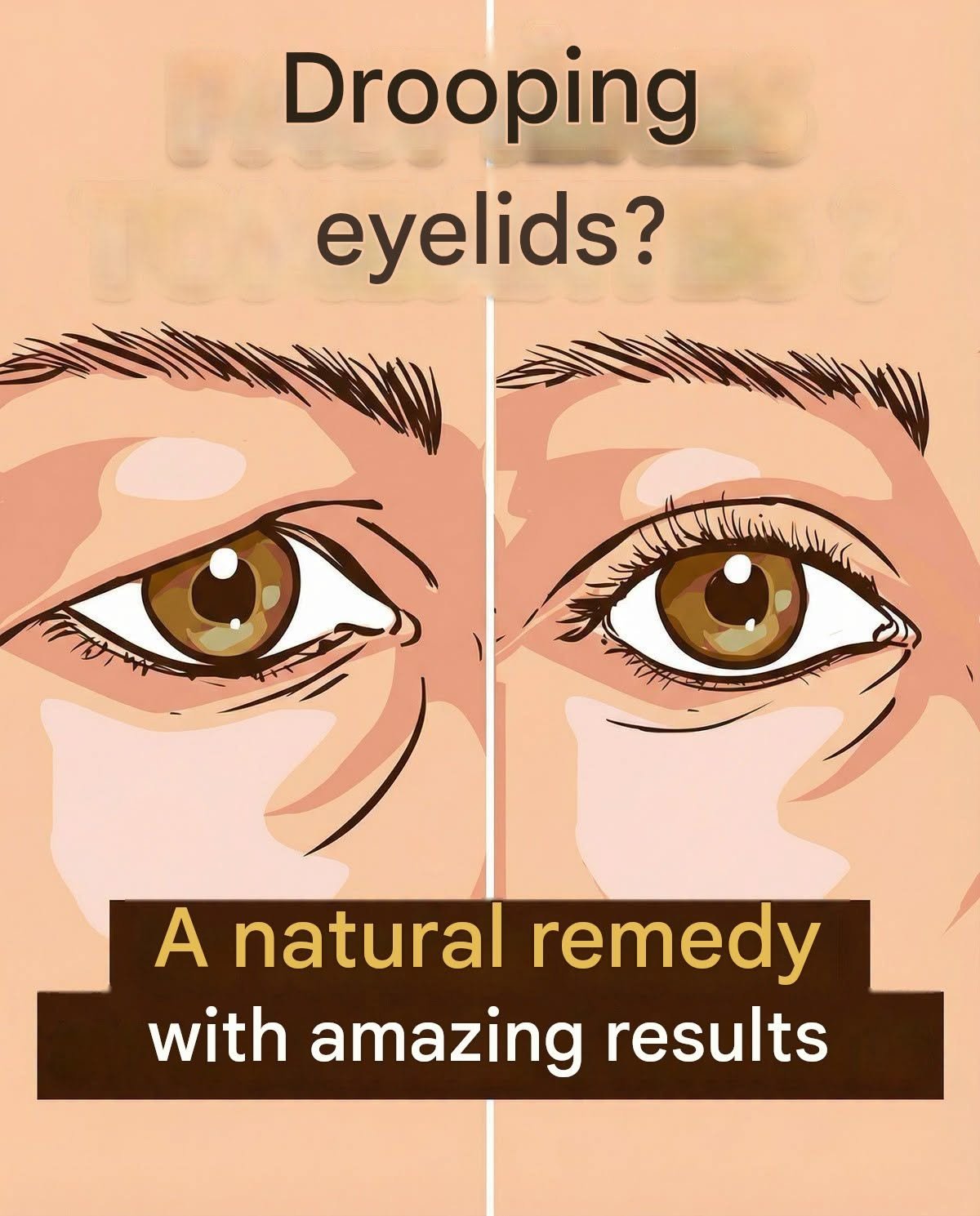
When wellness articles explore topics like “Droopy Eyelids: Natural Ways to Improve Their Appearance and When to See a Doctor,” they are addressing a very common physical change that happens as we age.
While beauty blogs often try to sell expensive eye creams or DIY facial exercises with promises of an instant surgical facelift in a jar, understanding the actual anatomical reasons behind eyelid drooping helps cut through the marketing hype and focuses on what really works.
Why Eyelids Droop Over Time
Medically known as ptosis (when the eyelid margin sags over the eye) or dermatochalasis (excess skin on the upper eyelid), drooping eyelids typically result from natural structural shifts:
-
Loss of Skin Elasticity and Collagen: As we age, the skin around the eyes thins and loses collagen and elastin. Without that underlying structural support, extra skin begins to fold downward over the lash line.
-
Muscle and Tendon Stretching: The levator muscle, which is responsible for lifting the upper eyelid, can stretch or detach slightly from the tarsal plate over decades of use, causing the lid to droop lower.
-
Genetics and Lifestyle: Family history plays a major role in when and how severely eyelid skin sags. Factors like chronic sun exposure, smoking, and lack of sleep can accelerate the breakdown of collagen around delicate eye tissues.
What Clickbait “Natural Fixes” Get Wrong
Sensationalized beauty articles love to push unrealistic shortcuts:
-
The “Miracle Cream” Fallacy: No topical eye cream, serum, or essential oil can tighten stretched eyelid muscles or shrink away redundant folds of skin. While moisturizers can temporarily hydrate and plump fine lines, they cannot reverse structural sagging.
-
Overhyped Face Yoga: While facial exercises can improve general muscle tone, they cannot repair a detached tendon or eliminate excess upper eyelid skin.
What Actually Helps (From Skincare to Clinical Care)
Depending on the severity of the drooping, your options range from simple supportive care to minor medical interventions:
-
Targeted Skincare and Sun Protection: Consistent use of broad-spectrum SPF and sunglasses prevents UV-induced collagen breakdown, slowing down how quickly eyelid skin loses firmness.
-
Non-Surgical Cosmetic Options: For mild skin laxity, professional treatments like laser resurfacing, micro-needling, or radiofrequency therapy (performed by a dermatologist or plastic surgeon) can stimulate collagen remodeling to tighten the upper eye area slightly.
-
Blepharoplasty (Surgical Correction): When drooping skin becomes severe enough to obstruct your upper or outer field of vision, the gold-standard clinical solution is a minor outpatient procedure called a blepharoplasty. A surgeon carefully removes excess skin and tightens the underlying support structures, restoring both a clear visual field and a natural contour.
When to See a Doctor Immediately
While most eyelid drooping is a gradual, harmless part of normal aging, sudden or asymmetric drooping can signal an underlying neurological or medical issue. You should seek prompt medical evaluation if you notice:
-
Sudden Onset: Eyelid drooping that develops abruptly over hours or days (rather than slowly over years).
-
Accompanied Symptoms: Drooping paired with double vision, weakness in your face or limbs, difficulty swallowing, or a severe headache.
-
Vision Obstruction: When sagging skin physically blocks your upper field of vision, forcing you to tilt your head back to see clearly.
The Bottom Line
Droopy eyelids are usually a natural part of getting older. While eye creams won’t reverse structural sagging, knowing the difference between normal aging and sudden neurological changes ensures you protect both your appearance and your overall health.
