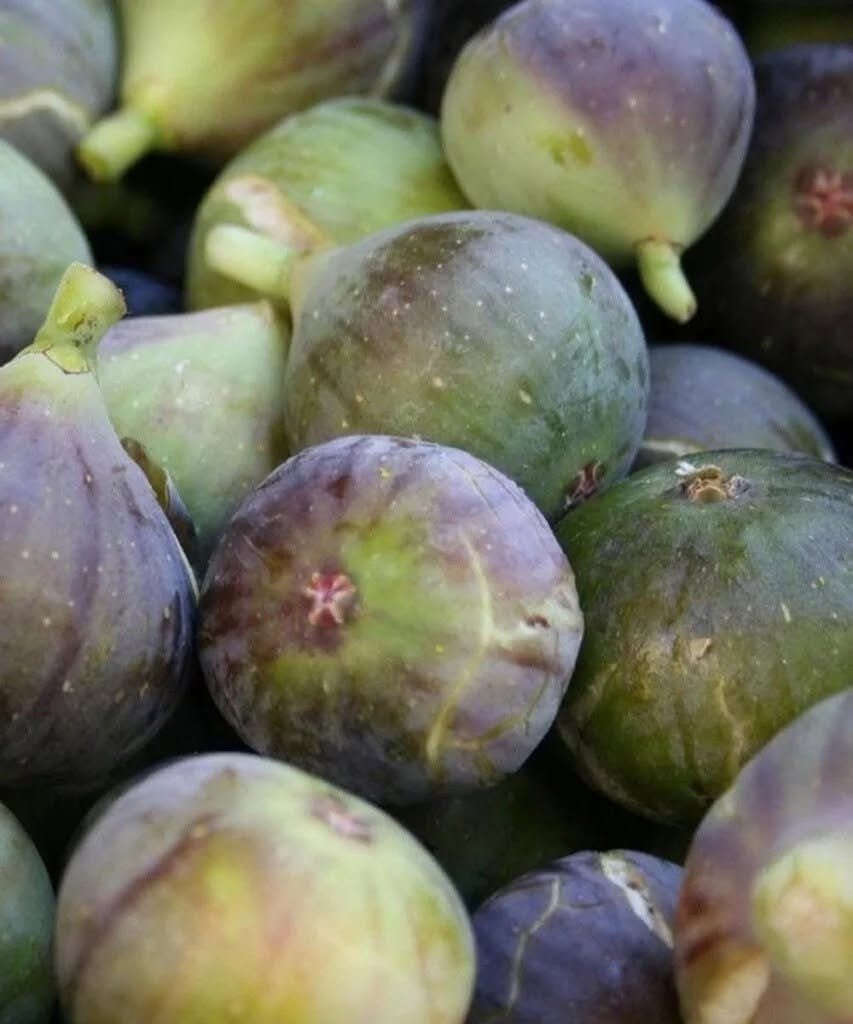
When health blogs and viral wellness posts claim that “Figs help alleviate back, spinal, and knee pain,” they are taking a common dietary fruit and dressing it up in miraculous, pseudo-scientific packaging.
While figs are a delicious, nutritious addition to a balanced diet, eating them will not magically cure structural joint damage, herniated discs, or chronic knee osteoarthritis. Understanding the actual nutritional value of figs—and what truly drives joint and back pain—helps separate wholesome nutrition from internet hype.
The Real Nutritional Value of Figs
Figs (whether fresh or dried) are packed with wholesome plant nutrients, but their benefits are systemic rather than targeted to specific joints:
-
Rich in Dietary Fiber: Figs provide a healthy dose of soluble fiber, which supports healthy digestion and helps maintain stable blood sugar and cholesterol levels.
-
Essential Minerals: They supply respectable amounts of potassium, calcium, and magnesium, which support overall bone mineralization, muscle function, and hydration.
-
Natural Antioxidants: Like most fruits, figs contain polyphenols that help combat cellular oxidative stress.
What Clickbait Health Claims Get Wrong
Sensationalized articles love to stretch modest nutritional facts into absurd medical promises:
-
The “Targeted Relief” Myth: No food you swallow contains specialized compounds that seek out your lower back, spine, or knees to eliminate pain. Joint and back pain are physical, mechanical, and inflammatory issues that require comprehensive management—not a specific fruit.
-
The Anti-Inflammatory Exaggeration: While antioxidants in whole plant foods support general health, claiming that eating dried figs will reverse spinal wear-and-tear or cartilage loss in the knee ignores the actual mechanical causes of orthopedic pain.
What Actually Helps Manage Back, Spinal, and Knee Pain
If you are dealing with persistent back or joint discomfort, real relief comes from evidence-based care:
-
Targeted Physical Therapy: Strengthening the muscles supporting your spine (core and back extensors) and knees (quadriceps and hamstrings) relieves mechanical pressure on the joints.
-
Weight Management: Maintaining a healthy body weight dramatically reduces the load and compressive forces on weight-bearing joints like the knees and lumbar spine.
-
Consistent Movement: Low-impact aerobic exercise (like swimming, cycling, or walking) promotes blood flow and keeps joint cartilage lubricated.
-
Professional Medical Guidance: Chronic or severe pain should be evaluated by a physician, physical therapist, or orthopedic specialist to identify the exact structural or inflammatory cause and create an appropriate treatment plan.
The Bottom Line
Enjoy figs as part of a healthy, fiber-rich, and balanced diet, but don’t expect them to act as an orthopedic remedy. Real joint and back care relies on movement, targeted strengthening, and proper medical support.
