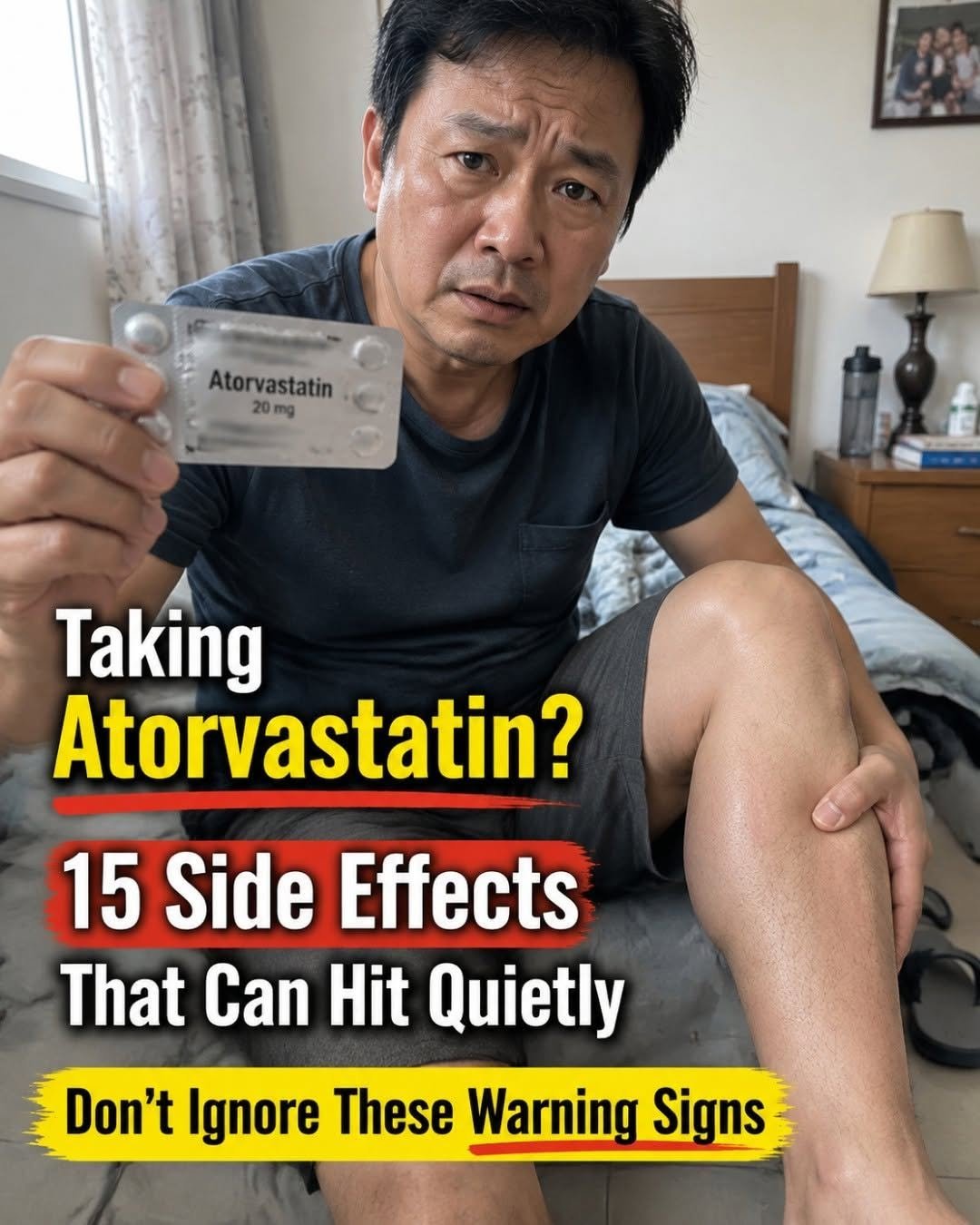
When pharmaceutical or wellness blogs publish headlines like “Taking Atorvastatin? Could These 15 Subtle Side Effects Be Affecting You?” they are leveraging anxiety to drive clicks on one of the most widely prescribed medications in the world.
Atorvastatin belongs to a class of medications called statins, which are cornerstones of modern preventive cardiology. While like any medication they carry potential side effects, sensationalized lists often exaggerate routine aches or unrelated daily fatigue into alarming drug toxicities.
What Statins Actually Do
Atorvastatin works by inhibiting an enzyme in the liver (HMG-CoA reductase) that is responsible for producing cholesterol.
-
The Clinical Goal: By lowering LDL (“bad”) cholesterol, statins significantly reduce the risk of plaque buildup in the arteries, dramatically cutting down the incidence of heart attacks and strokes in at-risk patients.
-
The Safety Profile: Extensive clinical trials and decades of real-world use have proven statins to be remarkably safe and effective for the vast majority of patients.
What Clickbait Lists Get Wrong
Sensationalized articles pad their lists with 15 or 20 items by attributing every single human discomfort—from a poor night’s sleep to a stressful workday—to the patient’s daily pill:
-
The “Nocebo” Effect: Research shows that patients who expect side effects from statins (often after reading alarmist internet articles) are significantly more likely to report muscle aches, even when taking a sugar pill (placebo) in clinical trials.
-
Vague Generalizations: Lumping in routine signs of natural aging, dehydration, or ordinary muscle soreness as definitive drug toxicity creates unnecessary fear and leads some patients to stop a life-saving medication needlessly.
Genuine Side Effects Clinicians Monitor
While true severe side effects are rare, doctors actively discuss and monitor a few specific clinical considerations:
-
Mild Muscle Aches (Myalgia): The most commonly reported side effect is generalized muscle soreness or aching. While usually harmless, physicians monitor this to ensure it isn’t progressing to a rare, serious condition called rhabdomyolysis (severe muscle breakdown).
-
Elevated Liver Enzymes: Because statins are processed in the liver, they can occasionally cause a mild, temporary rise in liver enzymes. Doctors routinely check baseline blood work to ensure liver function remains stable.
-
Minor Increases in Blood Sugar: In some patients, particularly those already predisposed to prediabetes, statins can cause a slight upward shift in blood glucose levels. Clinicians weigh this minor metabolic risk against the massive cardiovascular benefits of preventing a heart attack.
Managing Concerns with Your Doctor
If you take atorvastatin and experience new symptoms, never stop taking your medication abruptly based on an online article. Instead:
-
Talk to Your Physician: A doctor can easily evaluate whether your symptoms are medication-related, adjust your dosage, or trial an alternative statin if necessary.
-
Focus on the Net Benefit: For individuals with elevated cardiovascular risk, the proven ability of statins to prevent life-threatening heart attacks vastly outweighs the minor risk of side effects.
The Bottom Line
Atorvastatin is a thoroughly studied, highly effective medication for protecting your cardiovascular health. Don’t let internet clickbait scare you into discontinuing vital preventive care.
