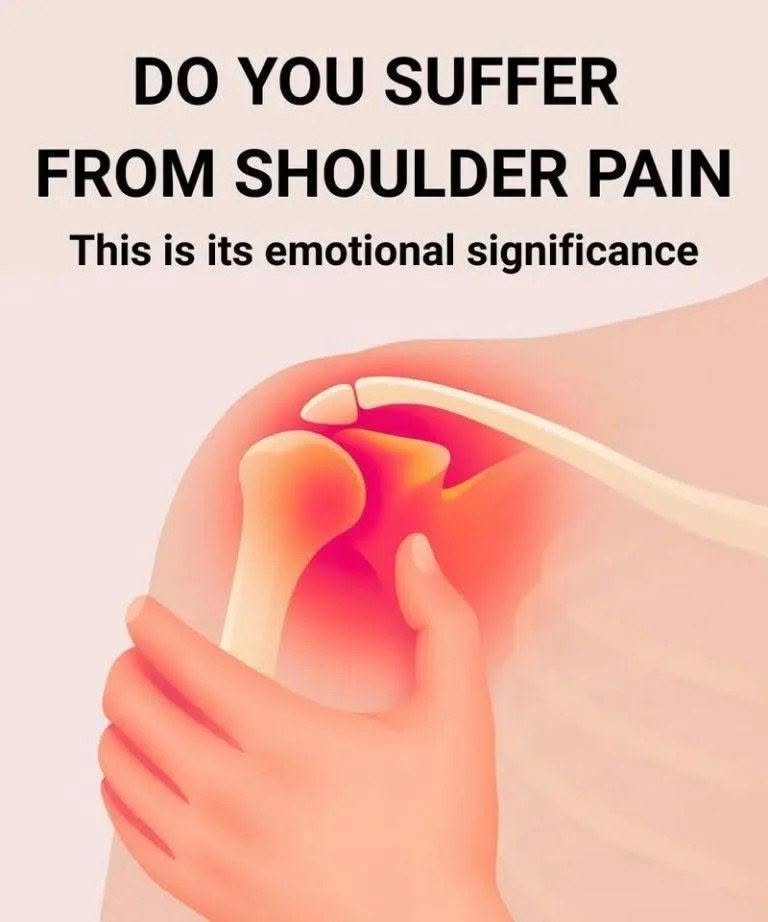
When pop-psychology and wellness trends claim that shoulder pain carries a hidden “emotional meaning”—such as carrying the weight of the world or assigning specific domestic stress to the left shoulder and professional pressure to the right—they are relying on metaphor rather than medicine.
Anatomically and neurologically, human joints do not translate life stress into symbolic physical locations. Shoulder pain is a physiological signal from complex musculoskeletal tissues, not an emotional decoder ring.
Why “Emotional Meaning” Theories Fall Short
-
The Symbolism Trap: Attributing joint wear, tendonitis, or nerve impingement to negative thoughts ignores the physical realities of biomechanics, posture, and aging.
-
Arbitrary Division: Splitting responsibilities between the left and right shoulder has no basis in human anatomy or nerve pathways.
The Clinical Reality: What Actually Causes Shoulder Pain
Orthopedic specialists and physical therapists identify several primary mechanical drivers for shoulder discomfort:
-
Rotator Cuff Tendinopathy or Tears: Inflammation or structural wear of the stabilizing tendons caused by repetitive overhead use or degeneration.
-
Subacromial Bursitis: Inflammation of the fluid-filled sacs that cushion the joint.
-
Adhesive Capsulitis (“Frozen Shoulder”): Progressive tightening and thickening of the joint capsule, sharply restricting movement.
-
Cervical Radiculopathy: A pinched nerve or disc issue in the neck that refers pain downward into the shoulder blade or arm.
Where Stress Actually Intersects with Your Shoulders
While stress doesn’t create a literal emotional message, it triggers a very real physical response called muscle guarding. Under acute or chronic stress, your nervous system keeps your shoulder girdle and upper trapezius muscles in a state of low-level, involuntary tension. Over time, this restricts local blood flow, causes muscle fatigue, and leads to myofascial discomfort or tension headaches—making your shoulders feel heavy and achy.
The Bottom Line
Your shoulders are responding to physical load, posture, repetitive strain, or stress-induced muscle tension rather than a cryptic emotional grievance. If pain persists or limits your movement, a clinical evaluation by a physician or physical therapist is the most effective path forward.
